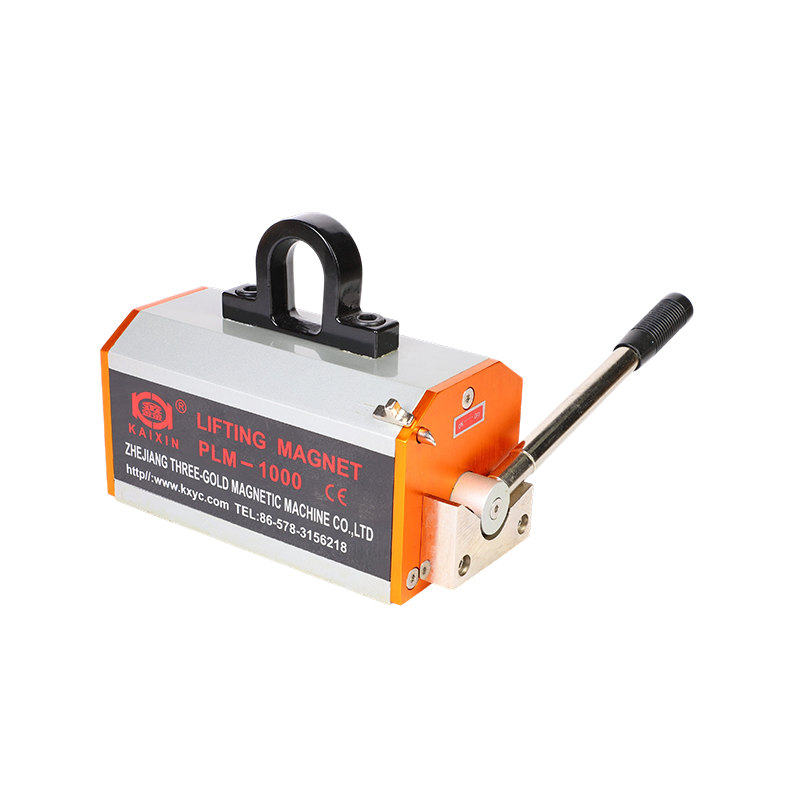
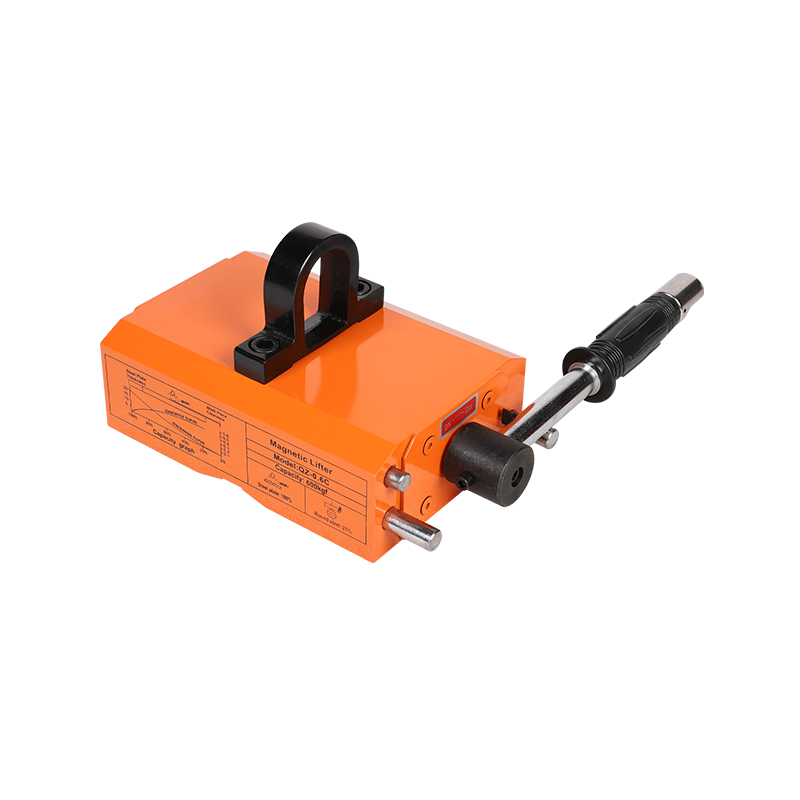
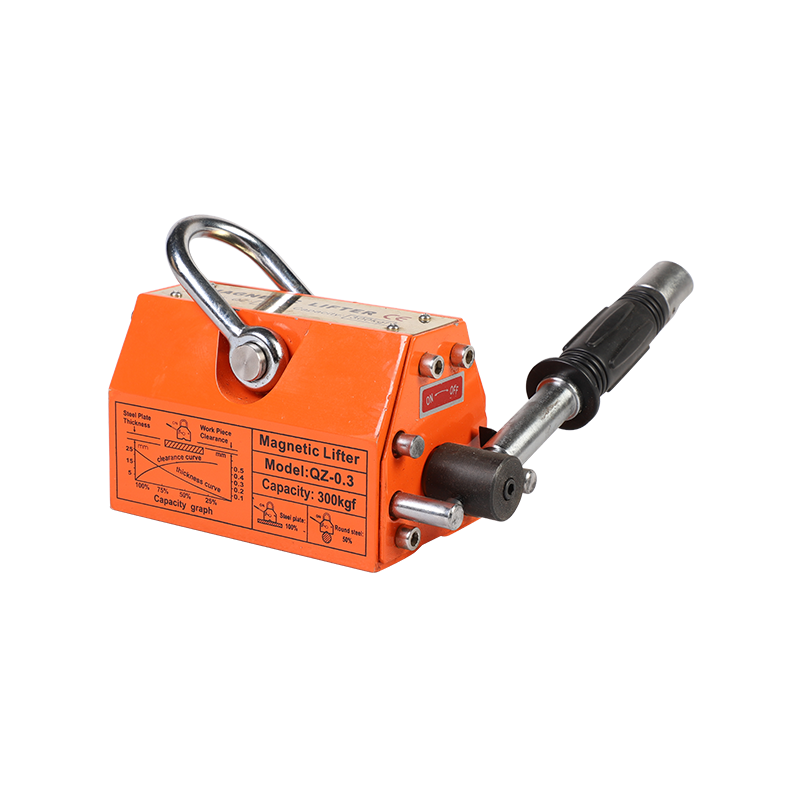
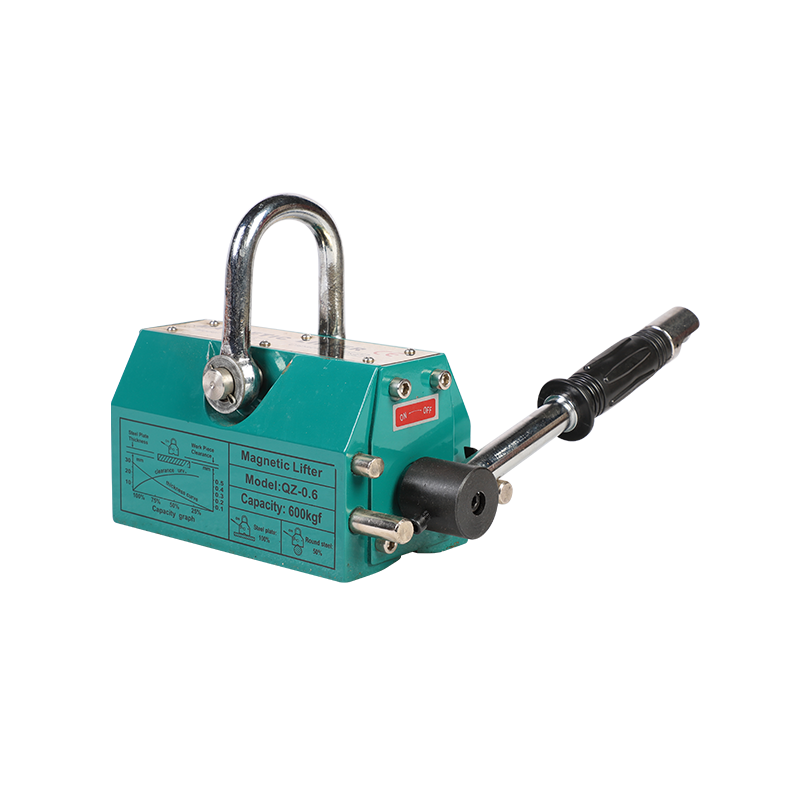
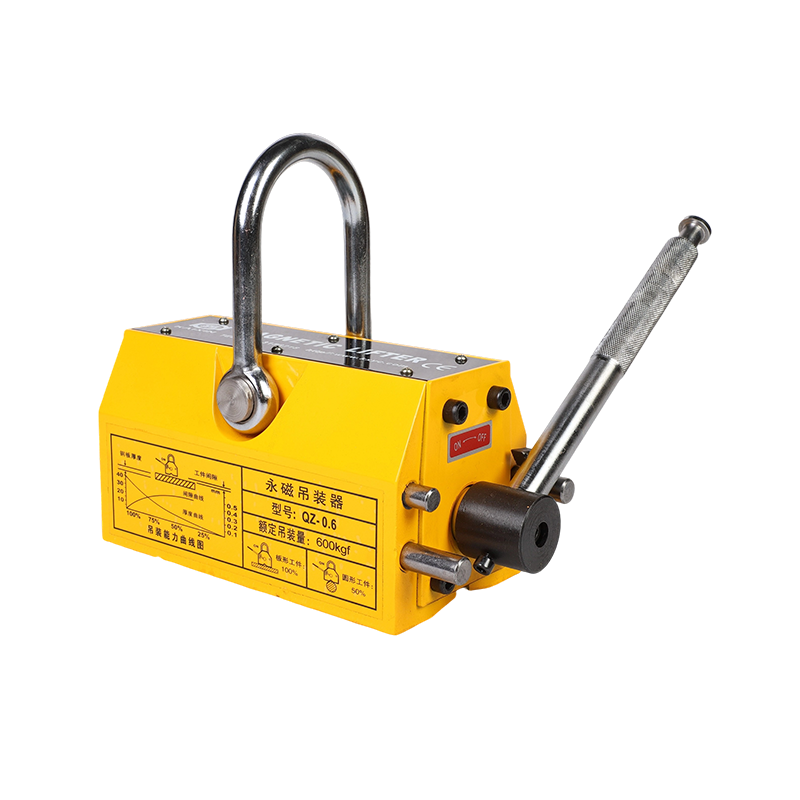
Permanent Magnetic Lifters are essential tools in industrial material handling, designed to lift, move, and position ferromagnetic materials without relying on electricity. Their operation is based on a strong magnetic field that attaches to metal surfaces, providing a secure grip for lifting operations. While highly efficient for many applications, the effectiveness of these lifters is not uniform across all materials. The type of metal, its thickness, and surface condition all play significant roles in determining the lifting performance.
Influence of Material Composition
The primary factor affecting the performance of a Permanent Magnetic Lifter is the magnetic permeability of the material. Metals with high ferromagnetic properties, such as mild steel and low-carbon iron, are attracted strongly to the magnetic field, allowing the lifter to reach its maximum rated capacity. In contrast, materials with lower magnetic permeability, including certain grades of stainless steel or high-alloy metals, exhibit weaker attraction, reducing the overall lifting capacity. Non-ferromagnetic metals like aluminum, copper, and brass are largely unaffected by the magnetic field, rendering the lifter ineffective for these applications. Awareness of the material type is critical to ensure safe and effective operation.
Effects of Thickness and Geometry
Beyond the composition, the thickness and shape of the workpiece significantly influence lifting performance. Thin plates or irregularly shaped components may not provide sufficient contact area for the magnetic field, leading to weaker adhesion and potential slippage. Conversely, thicker, flat, and uniform surfaces allow for maximum magnetic engagement, ensuring stable and reliable lifting. Engineers and operators must carefully assess the geometry and dimensions of materials to select an appropriate Permanent Magnetic Lifter for each task.
Surface Conditions and Environmental Impacts
The condition of the metal surface also affects the performance of magnetic lifters. Rust, paint, oil, or other coatings create a small air gap between the lifter and the workpiece, which weakens the magnetic connection. Environmental factors such as extreme temperatures, vibration, or contamination can further reduce the effective holding force. Regular inspection and cleaning of both the lifter and the material surface are essential to maintain optimal performance, especially in industrial environments where conditions are less controlled.
Practical Implications for Industrial Use
The variation in performance across different materials necessitates careful planning in industrial operations. Mild steel and other highly magnetic metals allow for maximum lifting efficiency, whereas specialized alloys may require reduced load limits to maintain safety. Understanding these differences prevents accidents, ensures the integrity of the workpiece, and extends the service life of the lifting equipment. Testing and calibration of lifting capacity for specific materials is recommended in critical applications.
Recommendations for Safe and Efficient Operation
To achieve the best results, operators should select the correct lifter based on the material type, thickness, and surface condition. Proper training in handling techniques, adherence to load ratings, and routine maintenance will ensure consistent performance. Regular inspections for wear, damage, or contamination also contribute to the reliability of Permanent Magnetic Lifters, reducing the risk of unexpected failure during lifting operations.
Material-Dependent Performance Awareness
Permanent Magnetic Lifters offer a powerful and convenient solution for lifting ferromagnetic materials, but their performance is highly dependent on material composition, thickness, surface condition, and geometry. Understanding these factors allows users to maximize efficiency, maintain safety, and prolong equipment lifespan. Careful evaluation of material characteristics ensures that lifting operations are both reliable and effective across diverse industrial applications.



PRODUCTS

CONTACT US
Copyright @Zhejiang Three-gold Magnetic Machine Co., Ltd. All rights reserved
Magnetic Lifting Tools Manufacturers


 English
 中文简体
中文简体
 русский
 عربى
عربى