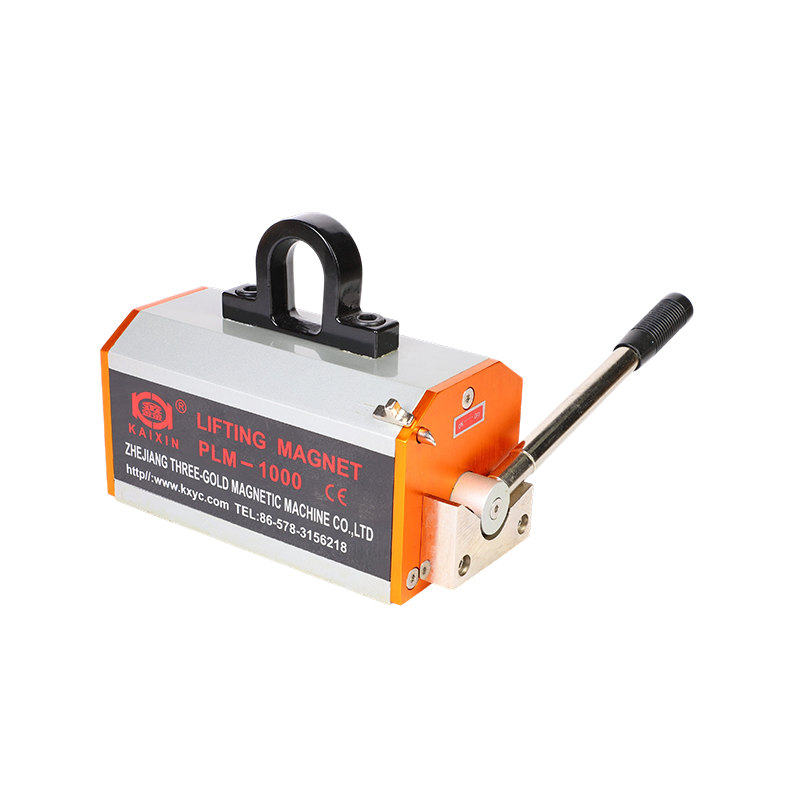
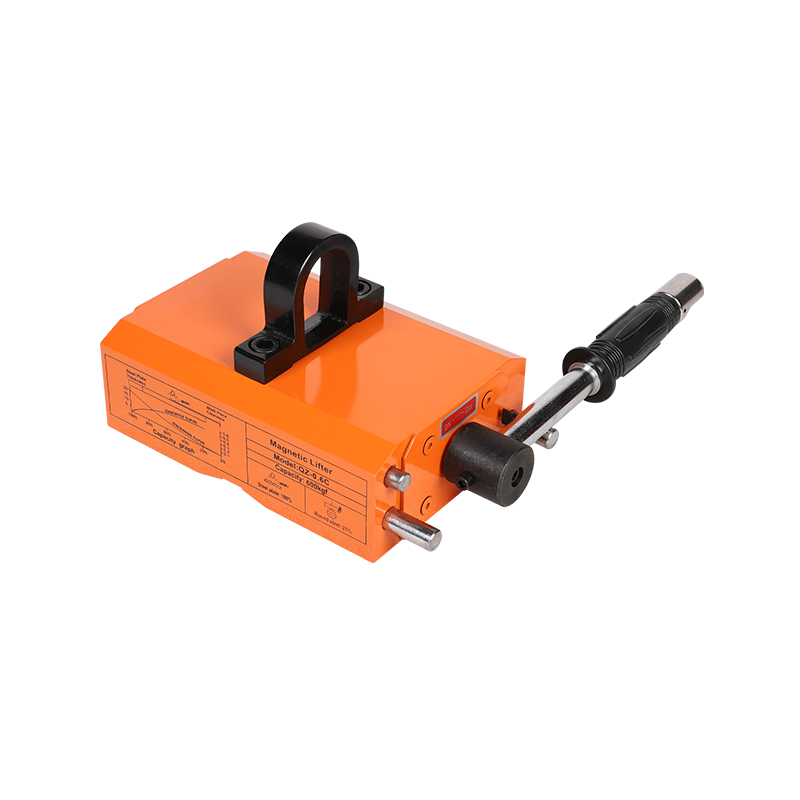
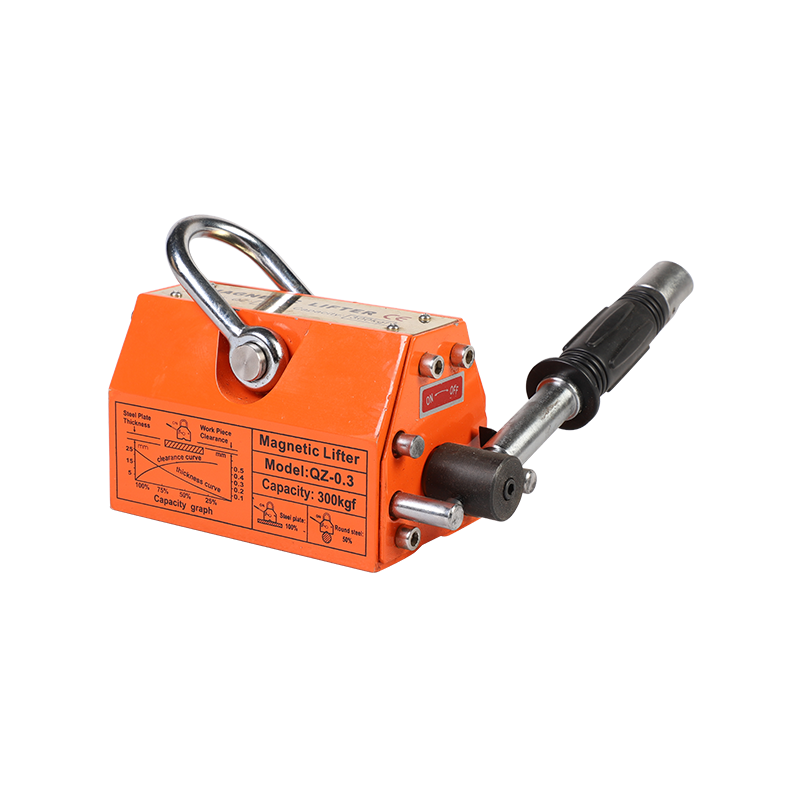
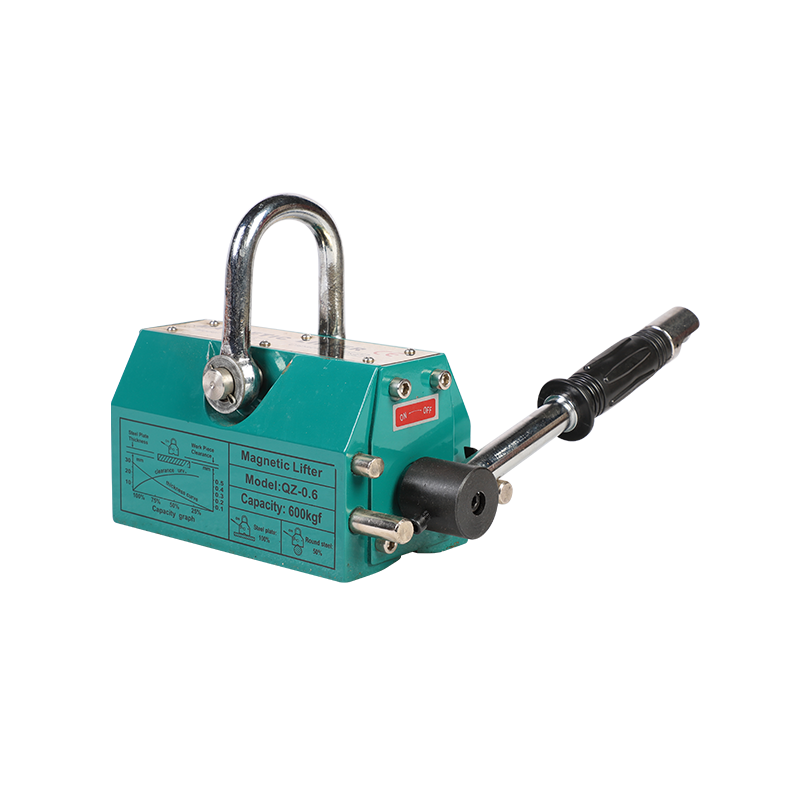
Permanent Magnetic Lifters are widely used in industrial settings to handle ferromagnetic materials safely and efficiently without the need for external power sources. These devices operate by generating a strong magnetic field that attracts and holds metal objects, enabling lifting, positioning, and transportation. While their design ensures reliable performance for many standard applications, their effectiveness can vary depending on the type of material being handled. Understanding these variations is crucial for safe operation and optimal productivity in manufacturing and material handling environments.
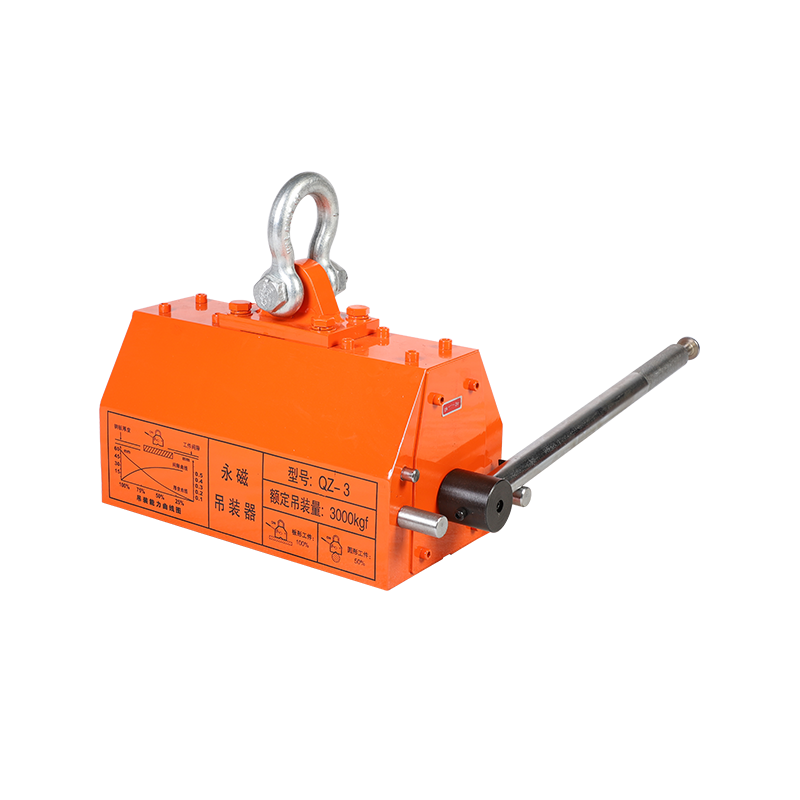
Influence of Material Composition on Magnetic Force
The performance of a Permanent Magnetic Lifter is directly influenced by the magnetic properties of the target material. Ferromagnetic metals, such as mild steel and iron, exhibit strong attraction to the lifter due to their high magnetic permeability. In contrast, metals with lower magnetic permeability, such as stainless steel or certain alloys, may result in reduced holding force. Non-ferromagnetic materials like aluminum, copper, or plastics are essentially unaffected by the magnetic field, making the lifter ineffective on such surfaces. Operators must therefore assess the material type before attempting to lift or move objects to ensure adequate safety margins.
Impact of Material Thickness and Shape
Beyond material composition, the thickness and shape of the workpiece significantly influence lifting performance. Thin plates or irregularly shaped objects may not provide enough surface area for the magnetic field to achieve full contact, which can reduce holding strength and increase the risk of slippage. Conversely, thicker and flatter surfaces maximize contact, allowing the magnetic field to fully engage and provide maximum lifting capacity. Engineers and operators must consider both the geometry and dimensions of the workpiece when selecting an appropriate Permanent Magnetic Lifter for specific tasks.
Surface Condition and Environmental Factors
The condition of the material surface also plays a role in magnetic performance. Rust, paint, oil, or other coatings can create a physical gap between the lifter and the metal, weakening the magnetic connection. Similarly, environmental factors such as temperature extremes or vibration can further affect the holding strength. While Permanent Magnetic Lifters are generally robust, adherence to manufacturer guidelines regarding surface preparation and operating conditions ensures that performance remains consistent and reliable.
Comparative Performance Across Materials
In practical applications, the performance differences among materials mean that not all lifts are equally safe or efficient. Mild steel workpieces typically provide full magnetic strength, whereas high-alloy stainless steels may only allow partial engagement, necessitating a reduced load rating to maintain safety. For specialized materials, testing and calibration are often required to verify that the lifter can hold the intended weight. Proper planning and risk assessment prevent accidents and extend the service life of both the lifter and the workpiece.
Practices for Safe and Effective Use
To maximize the efficiency and safety of Permanent Magnetic Lifters, operators should conduct pre-use inspections, verify material compatibility, and adjust lifting loads based on material characteristics. Training personnel on proper handling techniques and understanding the limitations of magnetic attraction ensures that materials are transported safely. Regular maintenance, including cleaning contact surfaces and inspecting for wear or damage, further enhances reliability and prolongs operational lifespan.
Material-Dependent Performance Considerations
Permanent Magnetic Lifters offer versatile and energy-independent solutions for handling ferromagnetic materials, but their effectiveness is highly dependent on the material properties, thickness, shape, and surface condition of the workpiece. By understanding these factors and adhering to recommended usage guidelines, operators can ensure safe, reliable, and efficient lifting operations. Careful selection and evaluation of materials not only optimizes performance but also reduces the risk of accidents and equipment damage in industrial environments.



PRODUCTS

CONTACT US
Copyright @Zhejiang Three-gold Magnetic Machine Co., Ltd. All rights reserved
Magnetic Lifting Tools Manufacturers


 English
 中文简体
中文简体
 русский
 عربى
عربى