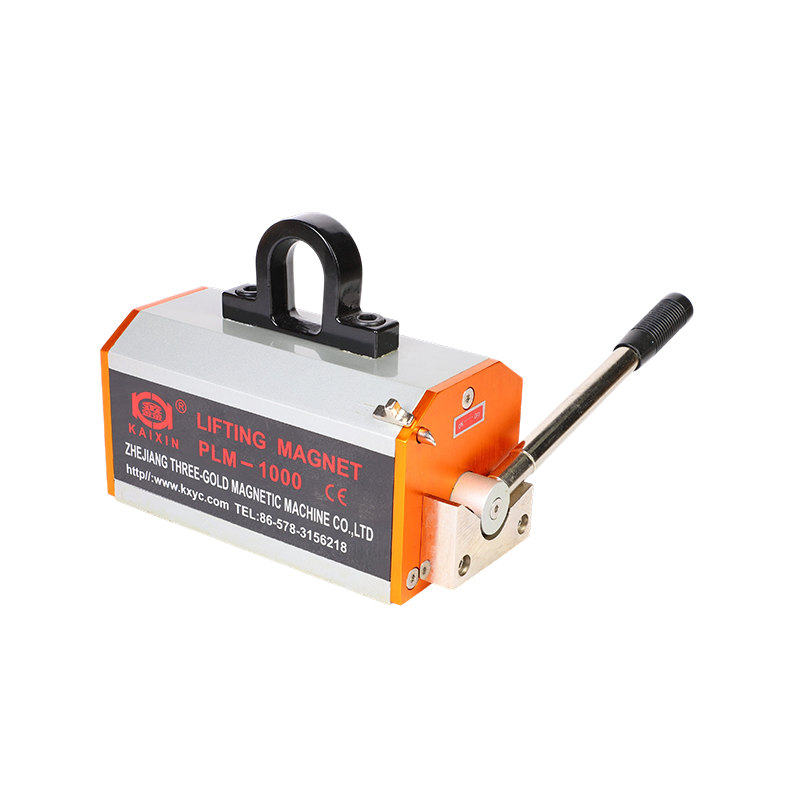
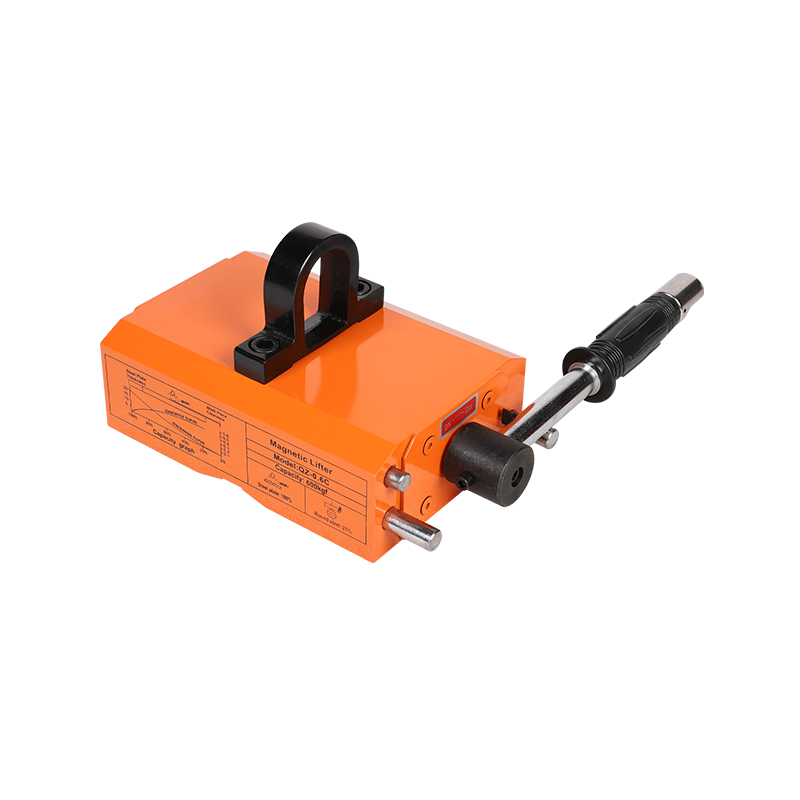
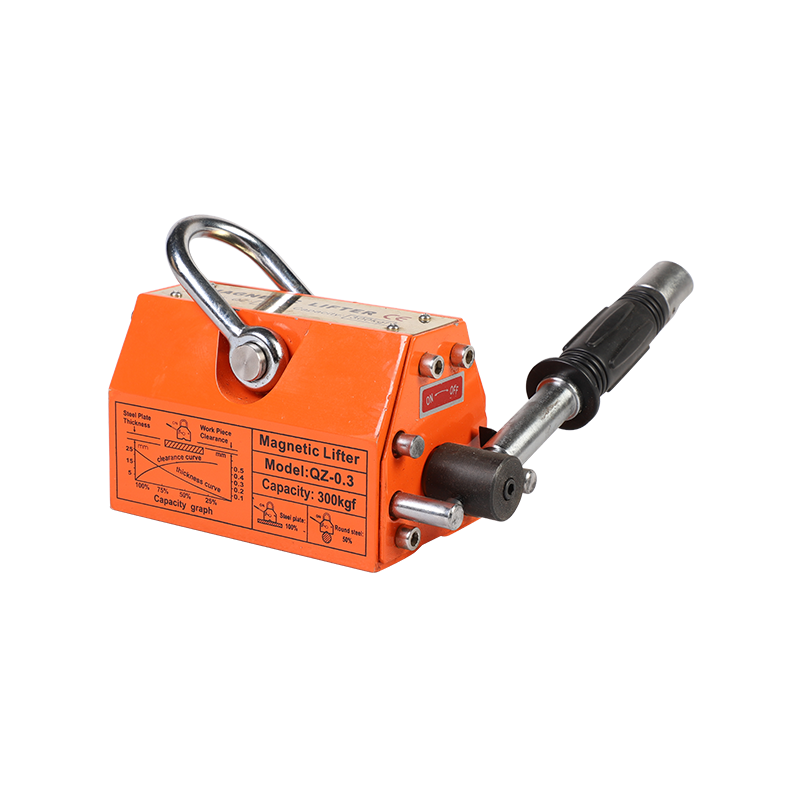
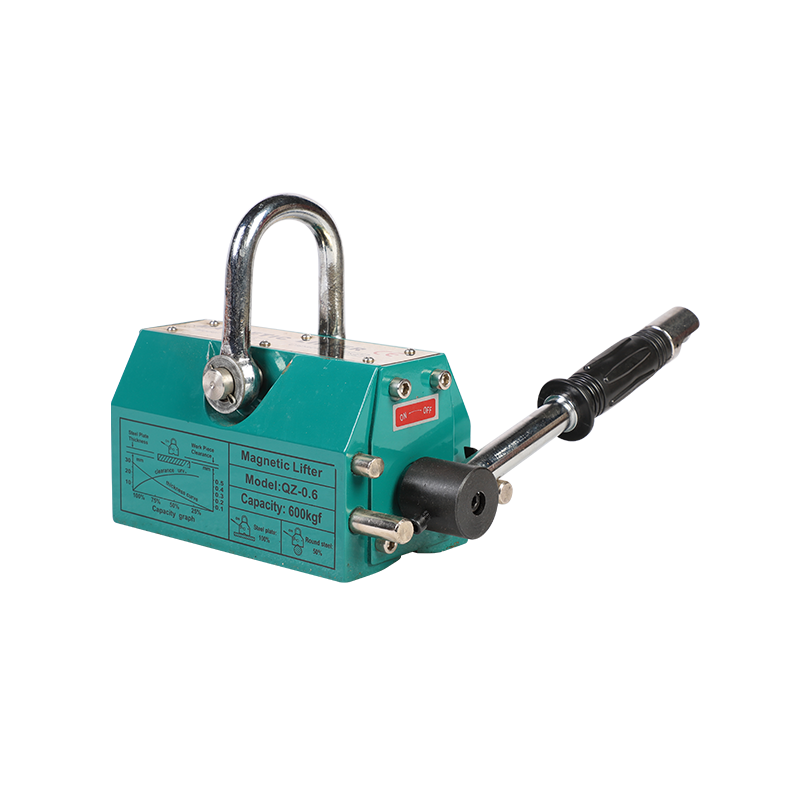
A Permanent Magnet Lifting Device is widely used in industrial environments to handle ferromagnetic materials safely and efficiently. These devices utilize strong permanent magnets to lift and transport steel plates, blocks, or other metal components without the need for electricity. While their design is optimized for flat and uniform loads, many operators are curious whether they can safely lift cylindrical materials like round steel bars or irregularly shaped workpieces. Understanding the capabilities and limitations of these devices is critical for maintaining safety and operational efficiency.
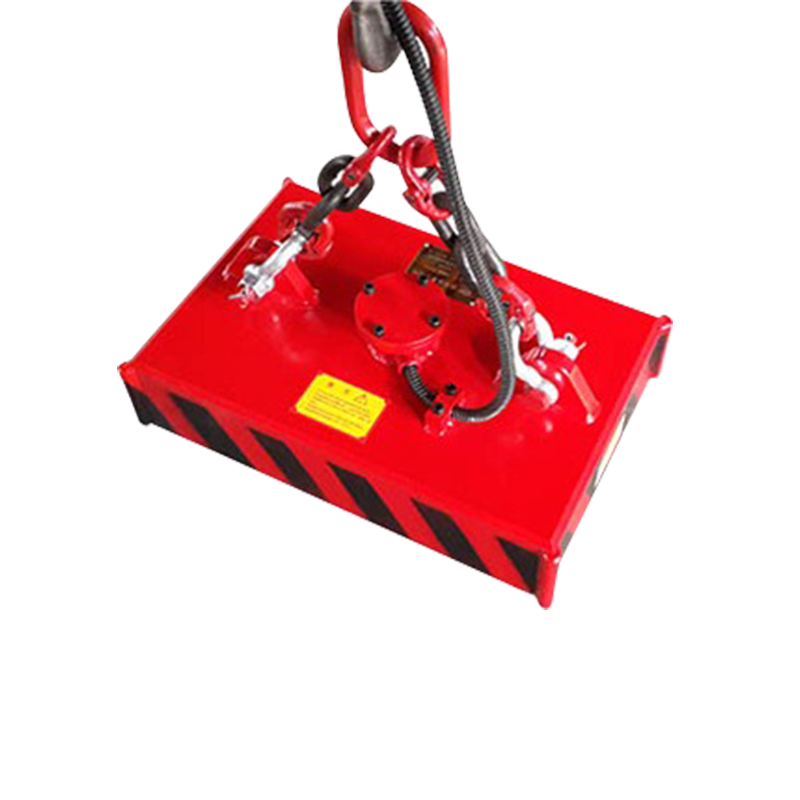
Lifting round steel or cylindrical workpieces with a Permanent Magnet Lifting Device presents unique challenges. Unlike flat surfaces, cylindrical materials have a smaller contact area with the magnetic surface, which can reduce the effective magnetic force. This limited contact area means that the device may not achieve full holding capacity, increasing the risk of slipping or uncontrolled movement. To compensate for this, operators should ensure that the magnet is appropriately sized for the weight and diameter of the cylindrical object. Additionally, using magnetic lifting devices with adjustable or multi-directional contact surfaces can help improve stability when handling round steel bars.
For irregularly shaped materials, the challenges are similar but often more complex. Uneven surfaces or protrusions can create gaps between the magnetic surface and the workpiece, decreasing magnetic efficiency. In some cases, only part of the object may be in contact with the magnet, which can cause tilting, swinging, or even dropping during lifting. Operators must carefully assess the geometry of the workpiece and determine whether the device can provide adequate magnetic adhesion. In situations where the magnetic contact is insufficient, additional mechanical supports, clamps, or lifting straps may be necessary to secure the load safely.
Safety is paramount when lifting cylindrical or irregular materials. Operators should always verify the weight of the load relative to the rated lifting capacity of the Permanent Magnet Lifting Device. Using a load beyond the device’s safe limits can result in catastrophic failure. It is also important to maintain a steady and slow lifting motion, avoiding sudden jerks or swings that could destabilize the load. Regular inspection of the magnetic surface and lifting mechanism is recommended to ensure there is no damage, debris, or wear that could compromise performance.
To improve stability and safety, positioning the load so that the center of mass aligns with the magnetic contact area is essential. When lifting multiple small or irregular objects simultaneously, operators should ensure each object has sufficient contact area. Using permanent magnets in combination with mechanical guides or support frames can also enhance load control. In industrial environments where irregular and cylindrical loads are frequently handled, investing in specialized magnetic lifting attachments designed for non-flat surfaces is advisable.
A Permanent Magnet Lifting Device can lift cylindrical or irregularly shaped workpieces, but doing so requires careful attention to load geometry, contact area, and weight limits. Safety precautions, proper load positioning, and supplementary support mechanisms are crucial to prevent accidents. By understanding the limitations and practices for lifting non-flat materials, operators can safely and efficiently utilize these devices in a variety of industrial applications.



PRODUCTS

CONTACT US
Copyright @Zhejiang Three-gold Magnetic Machine Co., Ltd. All rights reserved
Magnetic Lifting Tools Manufacturers


 English
 中文简体
中文简体
 русский
 عربى
عربى