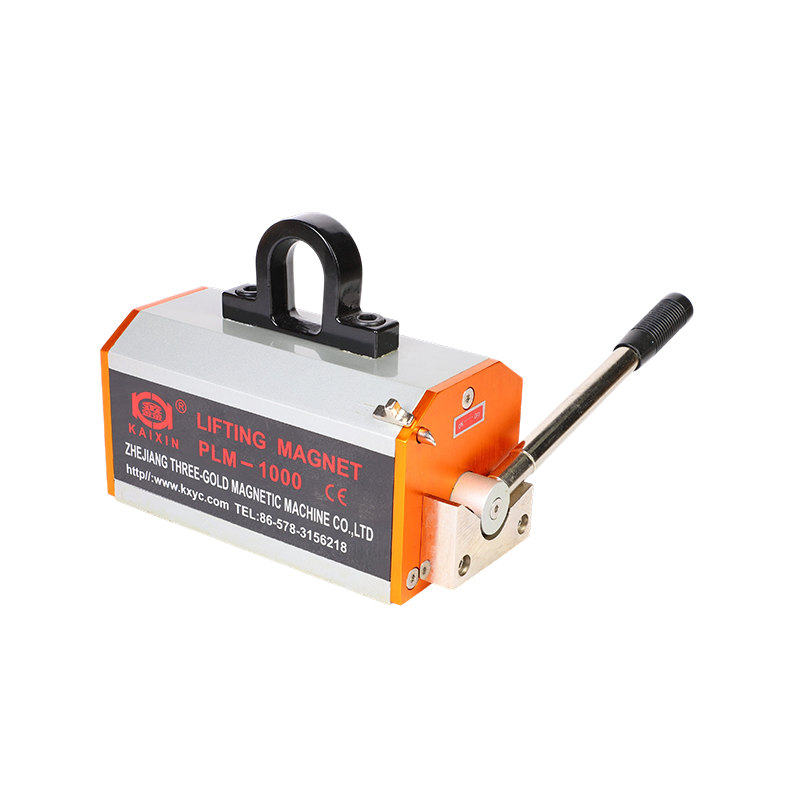
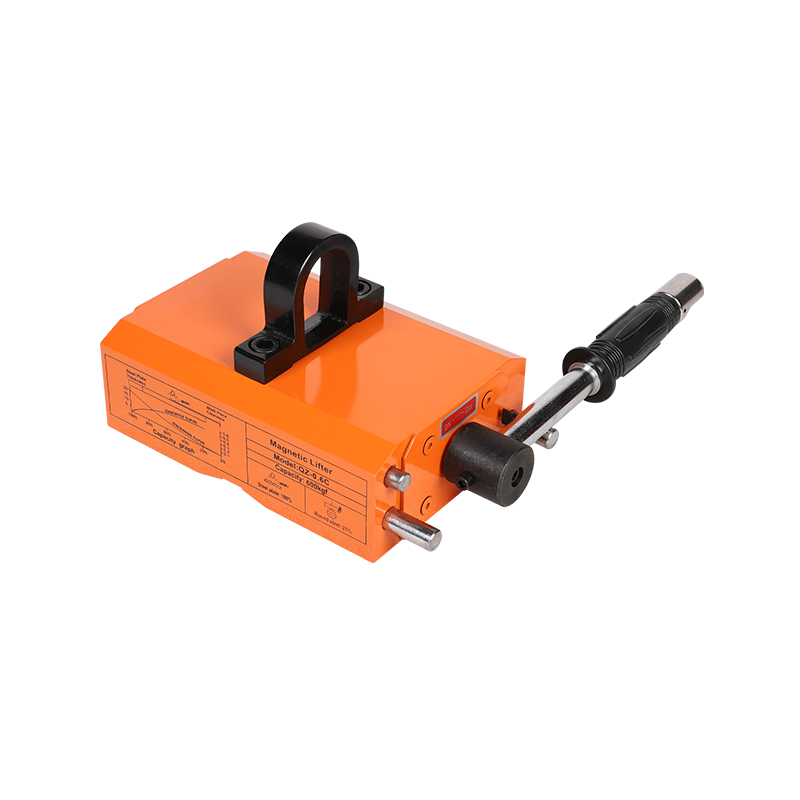
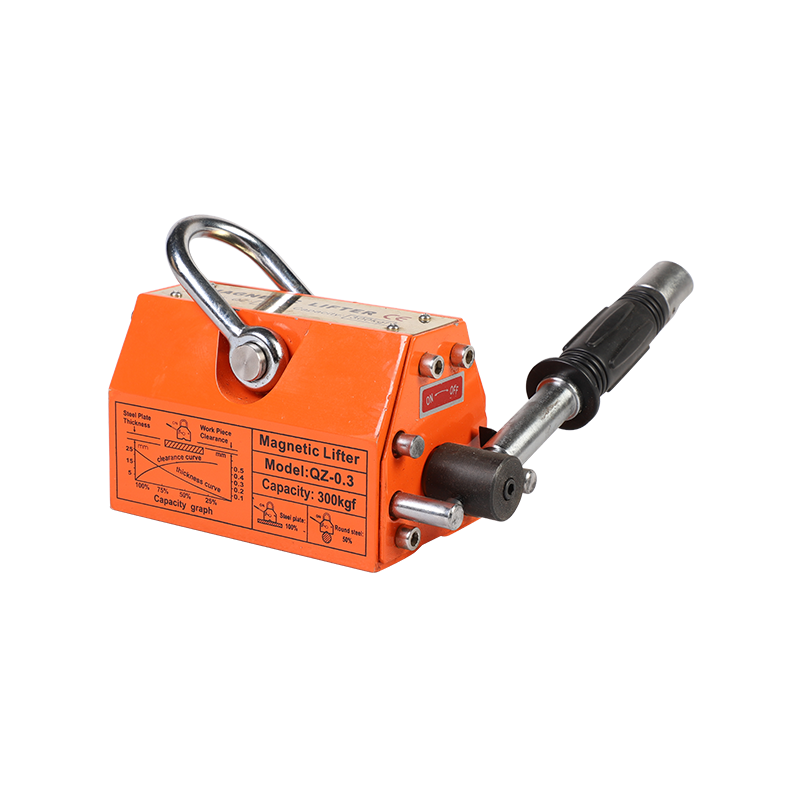
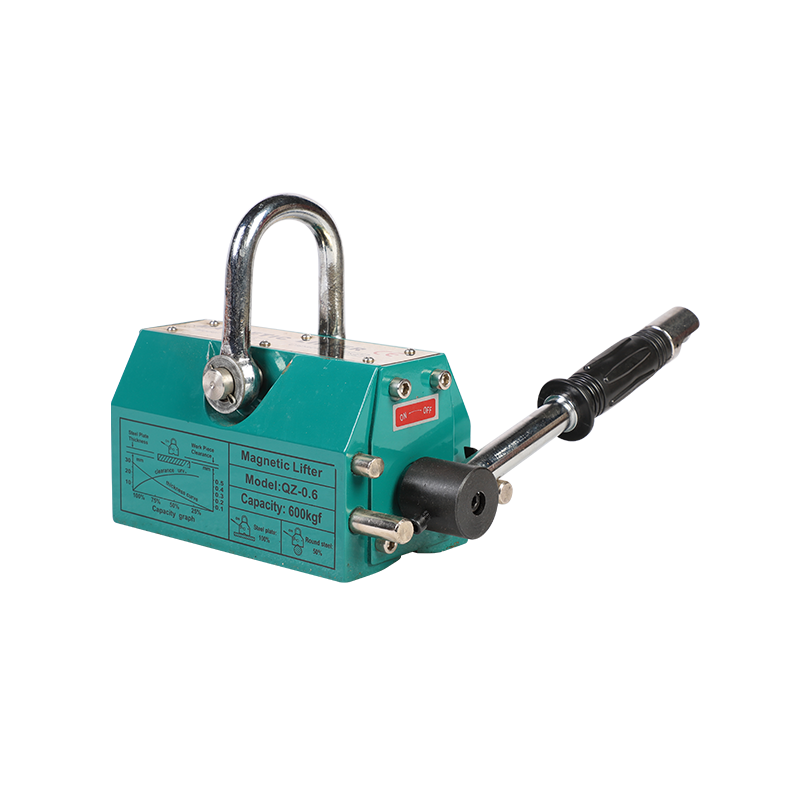
A Lifting Permanent Magnet is a type of magnetic lifting device that uses the inherent magnetic properties of permanent materials, such as neodymium or ferrite, to generate strong magnetic fields capable of lifting ferromagnetic materials. Unlike electromagnets, which require a continuous power supply to maintain magnetic force, permanent magnets maintain their lifting capacity without electricity. This fundamental difference shapes the way these devices are used in industrial applications, influencing safety, energy consumption, and operational flexibility.
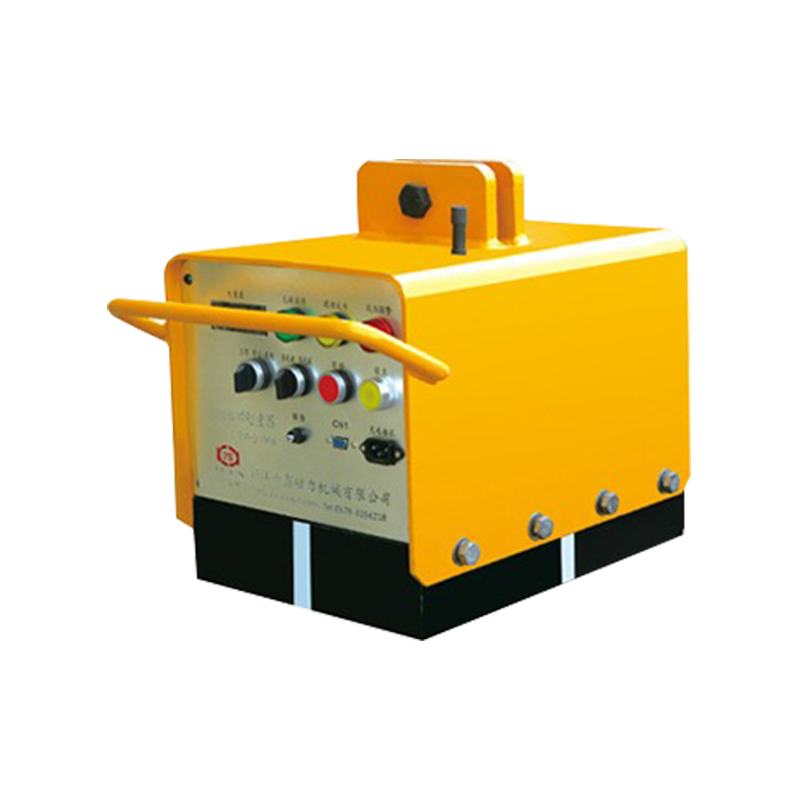
One of the primary advantages of a Lifting Permanent Magnet is its energy efficiency. Since no external power is needed to maintain the magnetic field, operating costs are reduced, and energy consumption is. Additionally, these devices can continue holding a load even in the event of a power failure, providing an inherent safety feature that is particularly useful in lifting heavy steel plates or other metal components. Permanent magnets are also generally lighter and more compact than equivalent electromagnets, which simplifies installation and reduces stress on supporting structures.
Despite their advantages, Lifting Permanent Magnets have some limitations. Their lifting capacity is fixed by the strength of the permanent magnet, which cannot be adjusted on demand. This makes them less flexible when lifting loads of varying weights or materials. Furthermore, permanent magnets can be demagnetized under extreme heat or physical shock, which may reduce their effectiveness over time. While they are safe during power outages, the inability to quickly disengage the magnetic field without mechanical levers or switches can sometimes make handling cumbersome in certain applications.
Electromagnetic lifting devices, by contrast, provide adjustable magnetic force through controlled electric current. This allows operators to lift loads of varying sizes with precise control, making them highly versatile for dynamic production environments. Electromagnets can also be easily switched on and off, offering convenience during the placement and removal of heavy steel components. The ability to regulate the magnetic field in real-time is particularly valuable in automated or conveyor-based lifting systems, where precise timing and positioning are critical.
However, electromagnets have their own disadvantages. Continuous power is required to maintain the magnetic field, which increases energy consumption and operational costs. In the event of a power failure, the load may be released unexpectedly, creating a significant safety hazard. Electromagnetic devices are also generally heavier and bulkier than permanent magnet counterparts, which may require stronger supporting structures and limit mobility. Proper maintenance of electrical systems and insulation is also critical to prevent malfunction or failure during operation.
The choice between a Lifting Permanent Magnet and an electromagnetic lifting device depends largely on the specific application requirements. Permanent magnets are ideal for environments where energy efficiency, reliability during power outages, and simplicity are priorities. Electromagnets are better suited for operations that demand adjustable lifting force, frequent engagement and disengagement, or integration with automated systems. Understanding the advantages and limitations of each device ensures safer operation, improved efficiency, and suitable selection for industrial lifting tasks.



PRODUCTS

CONTACT US
Copyright @Zhejiang Three-gold Magnetic Machine Co., Ltd. All rights reserved
Magnetic Lifting Tools Manufacturers


 English
 中文简体
中文简体
 русский
 عربى
عربى