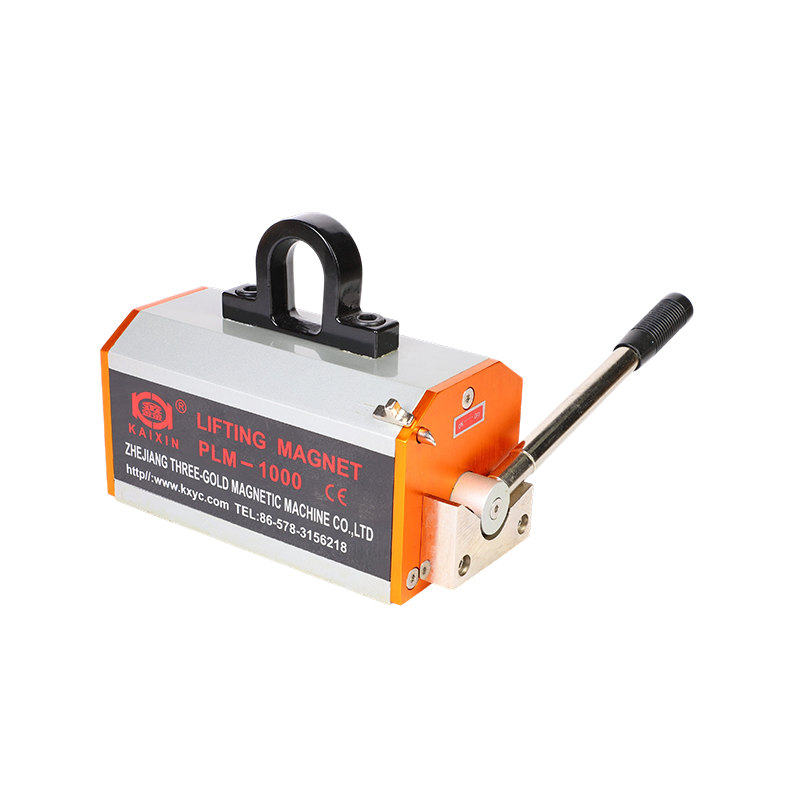
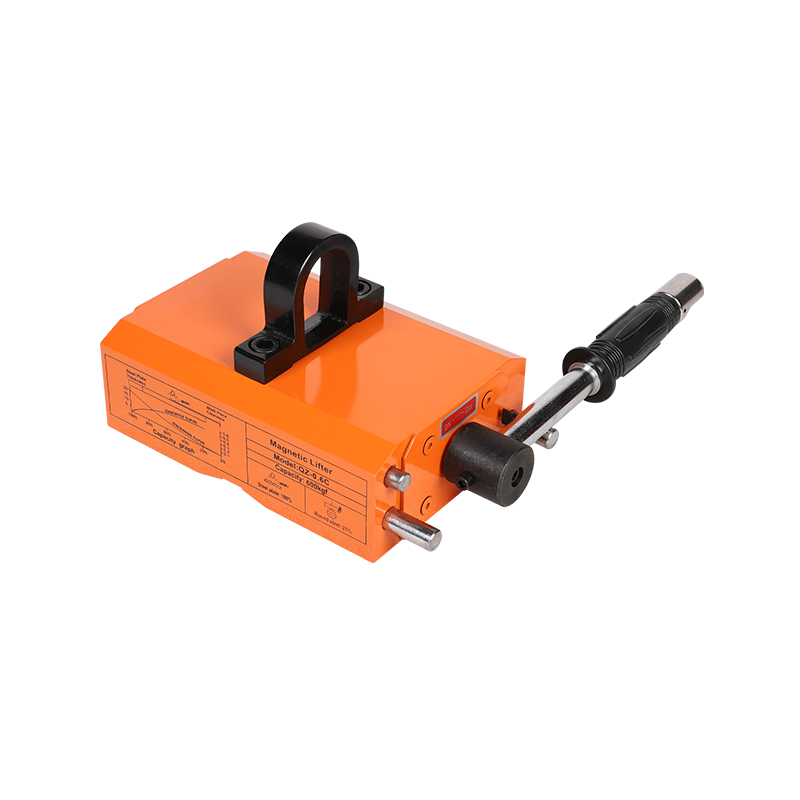
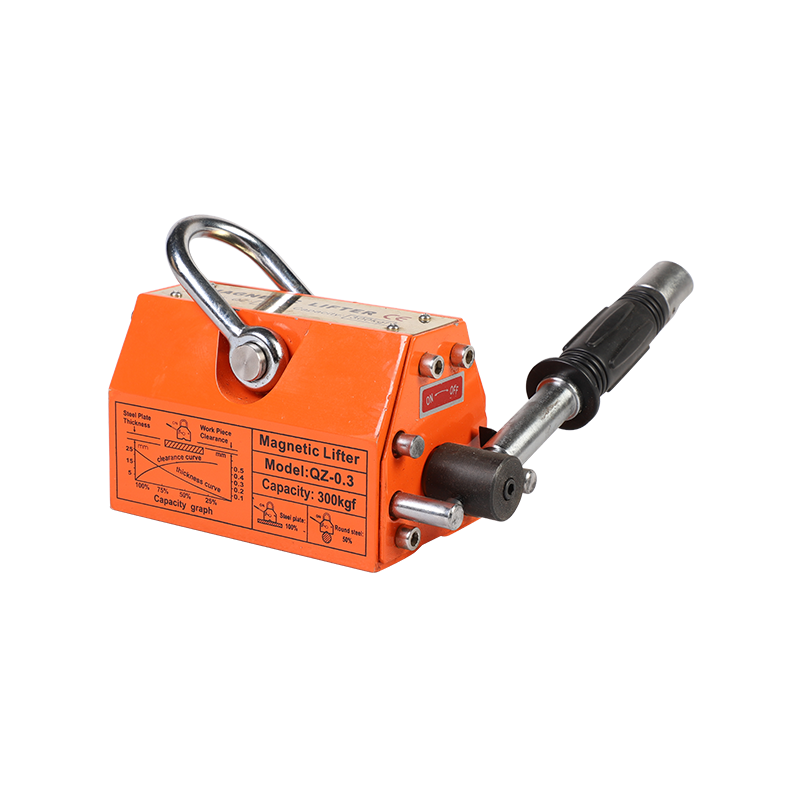
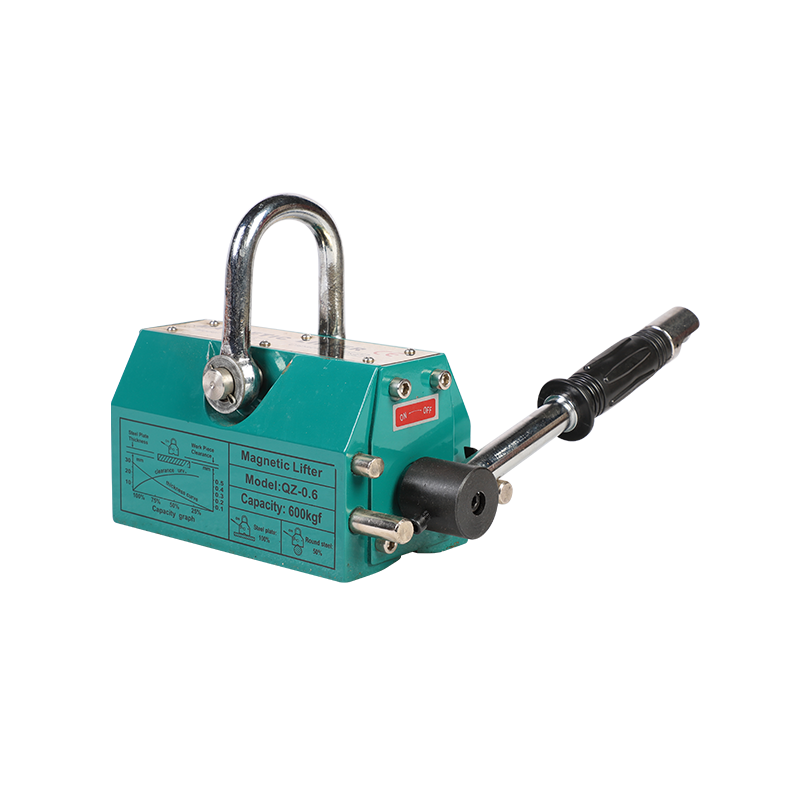
Introduction to Electro-Dense Permanent Magnetic Chucks
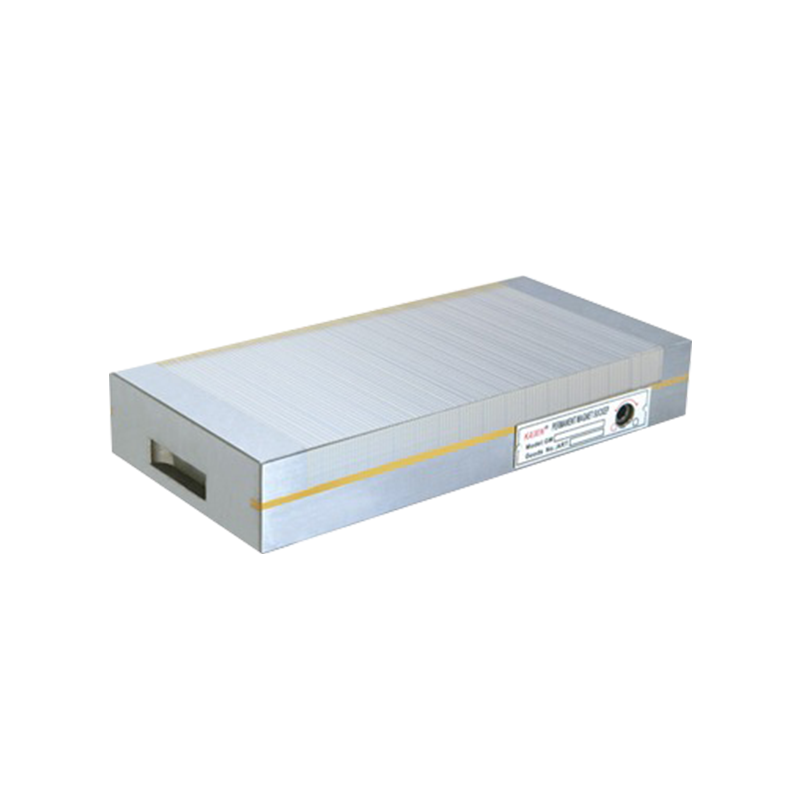
Definition and purpose: An Electro Dense Permanent Magnetic Chuck (EDPMC) is a high-strength magnetic workholding device designed to securely hold ferromagnetic workpieces during machining operations.
Applications: Widely used in precision milling, grinding, and CNC machining for steel plates, thin sheets, and smaller components.
Importance of material considerations: While dense permanent magnetic chucks provide a strong magnetic force, their suitability for thin or lightweight materials requires careful evaluation to prevent deformation or workpiece damage.
Challenges of Machining Thin Materials
Risk of deformation:
- Thin plates or sheets can bend or warp under excessive clamping pressure.
- Dense magnetic fields may create uneven stress distribution if the workpiece is too flexible.
Reduced magnetic contact area:
Light and thin materials may not fully conform to the chuck surface, reducing effective magnetic holding.
Vibration and chatter:
Insufficient support can allow thin workpieces to vibrate during cutting, affecting surface finish and machining accuracy.
Role of Auxiliary Support Plates
Purpose of a backing plate:
- Provides additional rigidity to thin or lightweight workpieces.
- Helps distribute magnetic and machining forces more evenly, reducing the risk of warping.
Material selection for auxiliary plates:
- Typically made of steel or other ferromagnetic materials compatible with the magnetic chuck.
- Thickness should be sufficient to support the workpiece without significantly increasing height.
Advantages of using auxiliary plates:
- Enhances holding stability and reduces vibration.
- Protects delicate surfaces from scratches or dents caused by direct magnetic contact.
- Allows for consistent machining quality across multiple thin workpieces.
Advantages of Electro-Dense Permanent Magnetic Chucks
- Strong and uniform magnetic field: Ensures reliable holding force across the workpiece, even on small contact areas.
- Rapid setup and release: Magnetic activation and deactivation allow quick workpiece handling, saving time in batch production.
- Versatility: Can hold multiple thin plates simultaneously when combined with auxiliary plates.
- Precision machining: Reduced need for mechanical clamps reduces interference with cutting tools, allowing access to the entire workpiece surface.
Practices for Thin Material Machining
- Assess workpiece thickness and rigidity: Very thin sheets may require additional support or soft backing to prevent bending.
- Use an auxiliary plate when necessary: Provides stable contact and ensures uniform magnetic force.
- Check surface condition: Clean the workpiece and auxiliary plate to improve magnetic holding.
- Test with light cuts: Apply initial machining at feed and depth to verify stability.
- Avoid overloading the chuck: Ensure the total workpiece weight does not exceed the magnetic holding capacity, especially when using thin materials.
Applications in Precision Manufacturing
Thin steel plates in electronics and automotive components:
- EDPMCs allow precise machining without deformation when properly supported.
- Batch processing of lightweight components:
- Auxiliary plates help hold multiple workpieces securely for consistent machining results.
High-precision grinding operations:
Magnetic holding reduces the need for mechanical clamps, providing unobstructed access and maintaining accuracy.
Limitations and Considerations
- Material compatibility: Only works with ferromagnetic materials; non-ferrous metals require mechanical clamping or alternative methods.
- Thickness threshold: Extremely thin sheets (e.g., below 1–2 mm) may still deform despite auxiliary support.
- Auxiliary plate alignment: Proper placement is critical to ensure uniform force and prevent surface damage.
- Cost factor: Adding auxiliary plates increases setup complexity and may slightly extend cycle time.
An Electro-Dense Permanent Magnetic Chuck is highly effective for holding thin and lightweight ferromagnetic workpieces when appropriate precautions are taken. Using auxiliary support plates is strongly recommended to prevent deformation, ensure uniform magnetic contact, and reduce vibration during machining. By combining high-strength magnetic clamping with careful workpiece preparation, manufacturers can achieve precise, efficient, and safe machining of thin materials in batch or high-precision operations. Understanding the limitations and practices ensures reliable results and prolongs the life of both the chuck and the workpiece.






 English
 中文简体
中文简体
 русский
 عربى
عربى