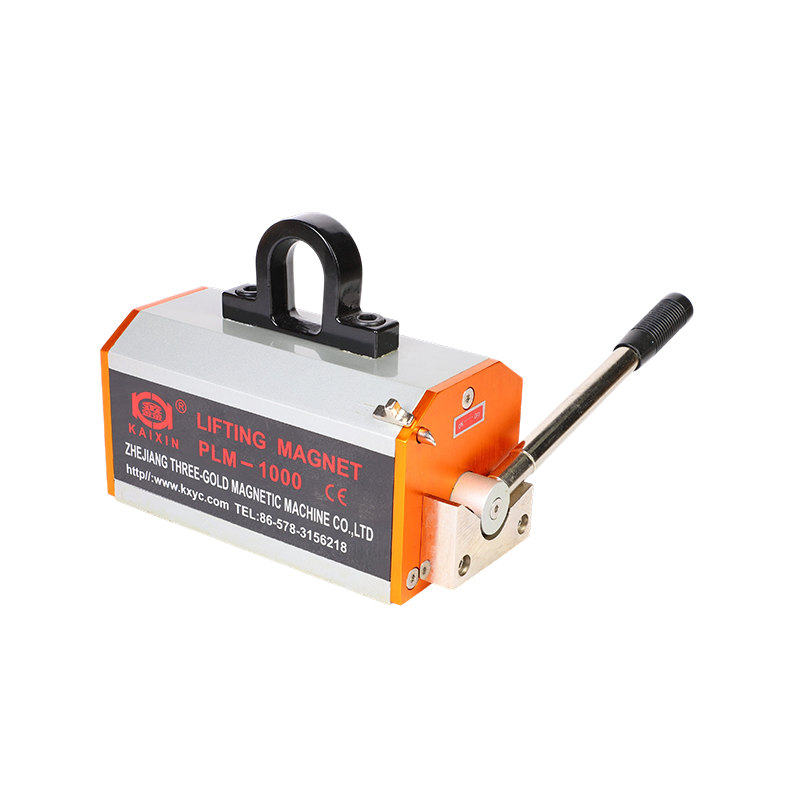
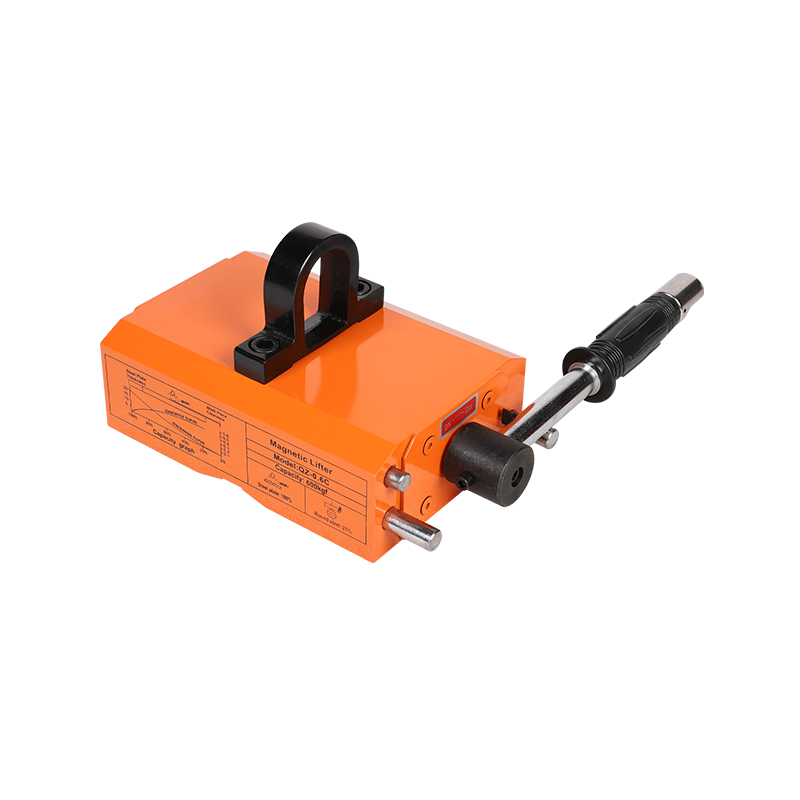
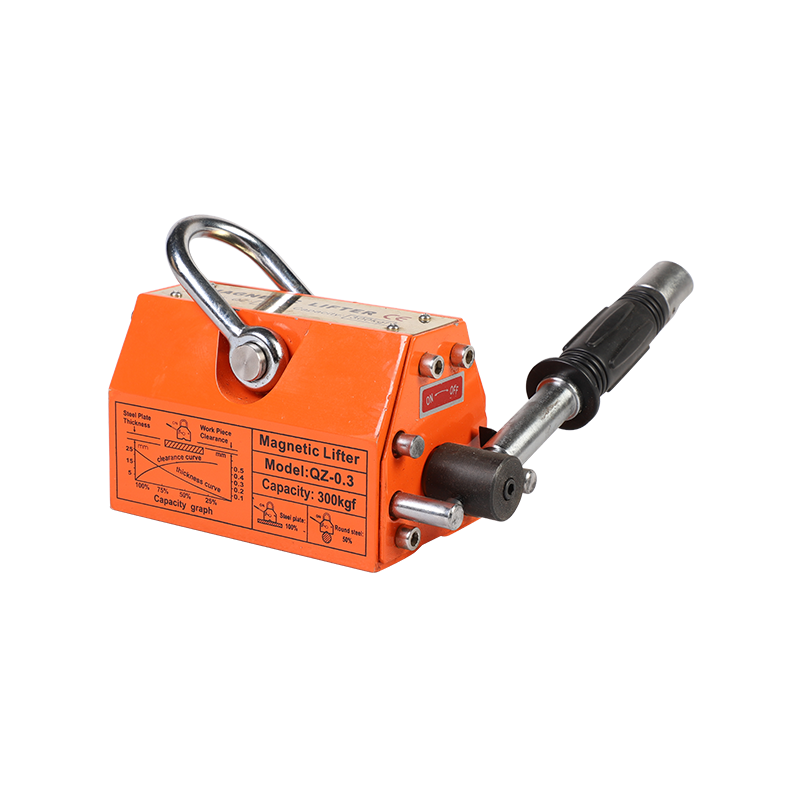
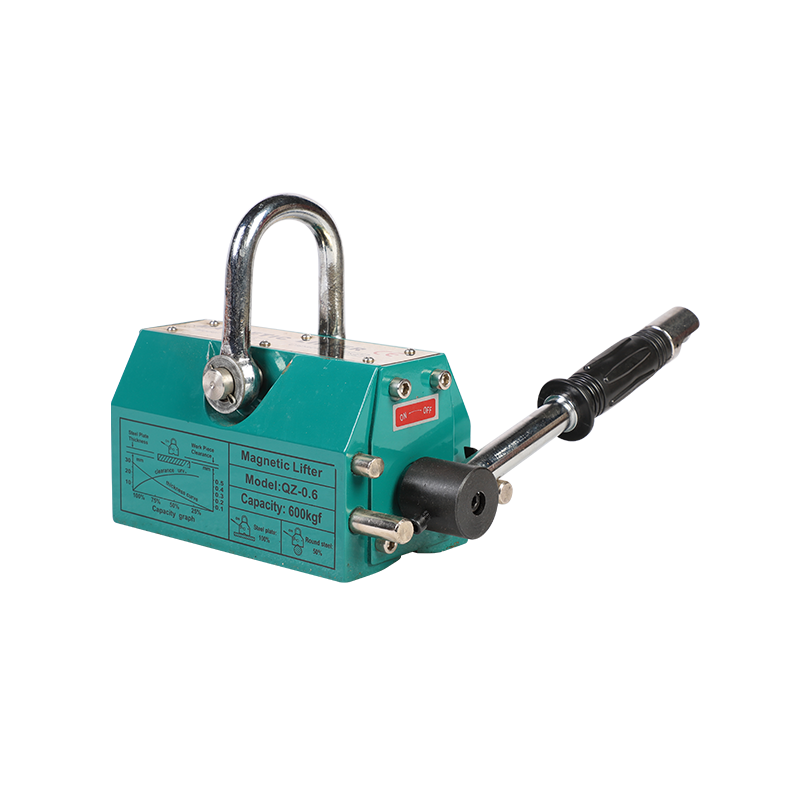
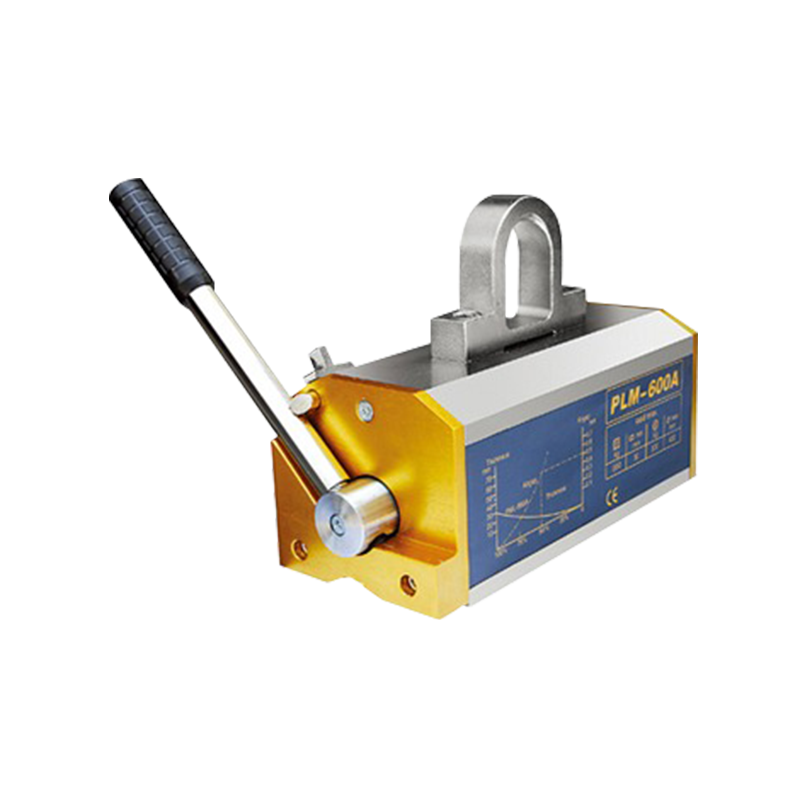
Lifting Permanent Magnets and electromagnetic lifts (electromagnets) are commonly used in industries for lifting and moving ferrous materials. While both types of lifting devices are highly effective, each has its own unique advantages. A Lifting Permanent Magnet operates without the need for external power, making it an efficient and reliable choice for many applications.
1. No Power Supply Required
- Self-Powered Operation: The notable advantage of a Lifting Permanent Magnet is that it doesn’t require an external power source to operate. The magnetic force is generated by permanent magnets, eliminating the need for electricity to maintain the magnetic field. In contrast, electromagnets rely on a continuous power supply to generate and sustain their magnetic force, making them less energy-efficient and potentially more costly to run over time.
- Cost-Effective: Since permanent magnets don’t consume power, they provide a long-term cost-saving benefit. In industries where power availability is limited or costly, a Lifting Permanent Magnet offers a more practical and economical solution.
2. Higher Reliability and Durability
- Less Maintenance Required: Lifting Permanent Magnets are generally more durable and require less maintenance than electromagnets. Electromagnets depend on electrical coils and wiring, which can wear out over time or become damaged. On the other hand, permanent magnets are simple and robust, with fewer moving parts and no electrical components to break down.
- Higher Lifespan: The lifespan of a Lifting Permanent Magnet is significantly longer than that of an electromagnet. As there is no electrical current involved, there’s less risk of overheating or coil degradation, which makes permanent magnets a more reliable long-term investment.
3. Ease of Use
- Simplicity in Operation: Lifting Permanent Magnets are often easier to use because they don't require complicated electrical systems or control mechanisms. They operate with a simple on/off switch or a manual handle to engage or disengage the magnetic field. This simplicity makes them ideal for applications in environments where ease of use and quick setup are essential.
- No Power Failures: Since Lifting Permanent Magnets don't rely on a continuous electrical supply, the risk of power failure or interruptions affecting operations is eliminated. Electromagnets, however, are susceptible to power outages or fluctuations, which can disrupt lifting tasks and cause safety risks.
4. Safer to Use
- Reduced Risk of Electrical Hazards: With no electrical wiring or coils, Lifting Permanent Magnets are inherently safer in environments where electrical hazards are a concern. There is no need to worry about short circuits, overheating, or other issues that can arise from malfunctioning electrical components.
- Safer Handling of Materials: Permanent magnets often provide a more secure grip on lifted materials, reducing the risk of accidental release, especially when used with safety devices like steel rope or lifting hooks. Electromagnets may lose their magnetic force if power is accidentally cut off, which could cause dropped loads or accidents.
While both Lifting Permanent Magnets and electromagnets have their place in industrial lifting applications, the permanent magnet offers several clear advantages, including a power-free operation, greater reliability, ease of use, and improved safety. For industries looking to reduce operational costs and maintenance while maintaining lifting performance, Lifting Permanent Magnets provide a good solution that is both practical and cost-effective.






 English
 中文简体
中文简体
 русский
 عربى
عربى