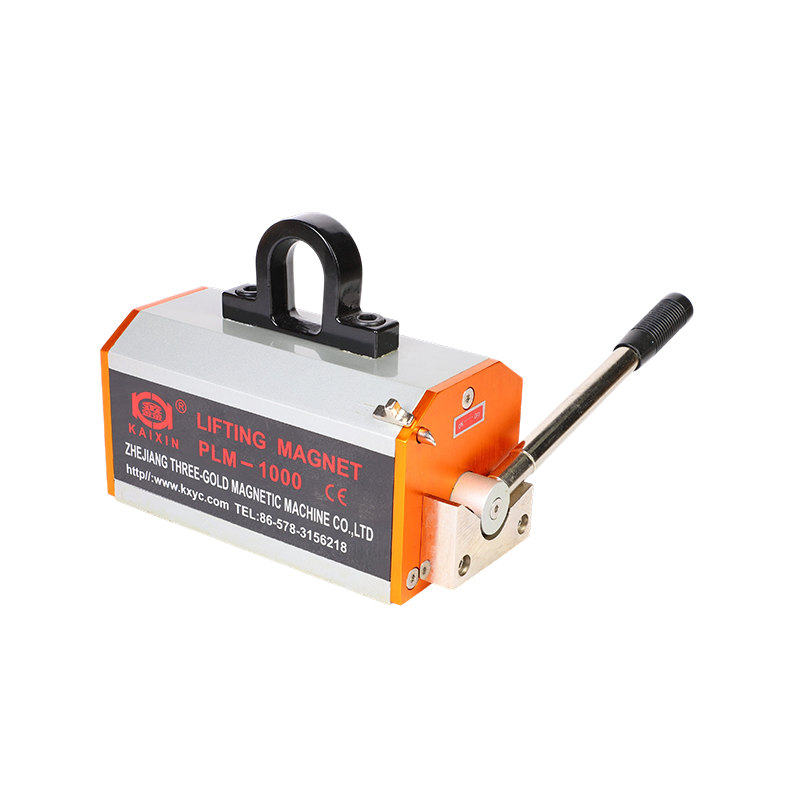
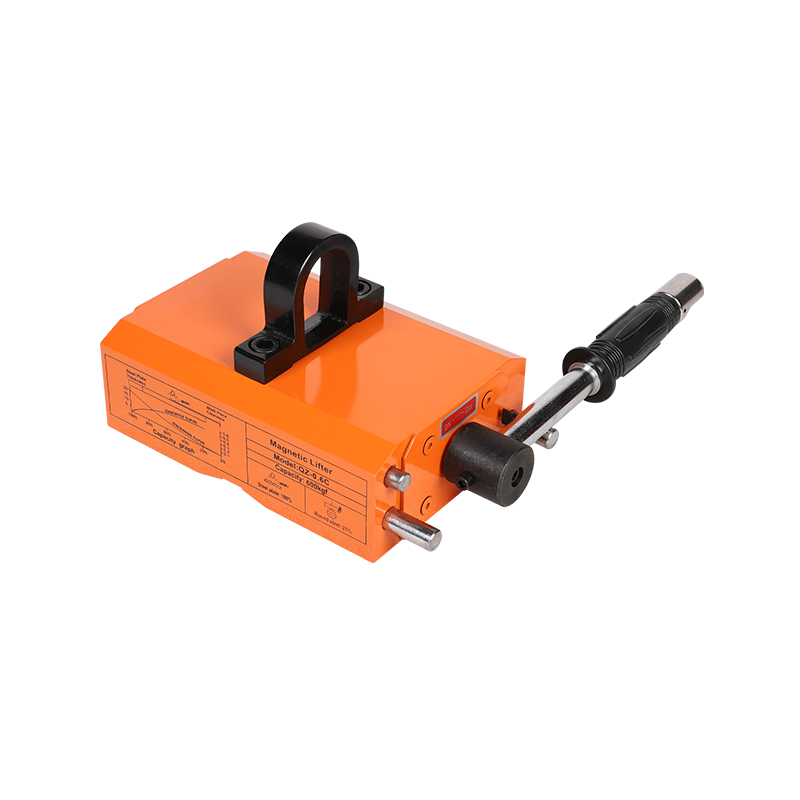
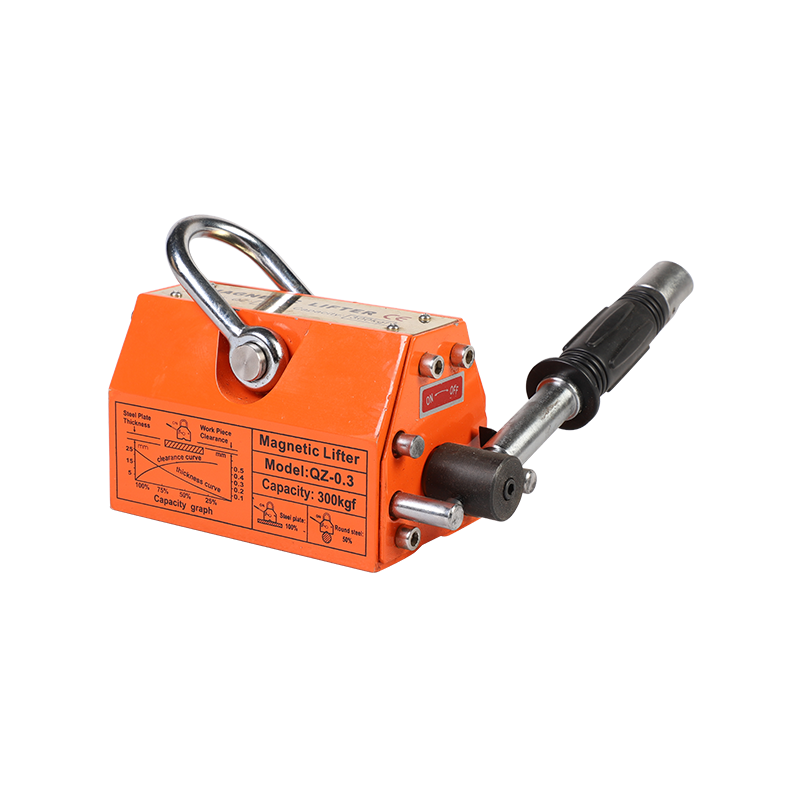
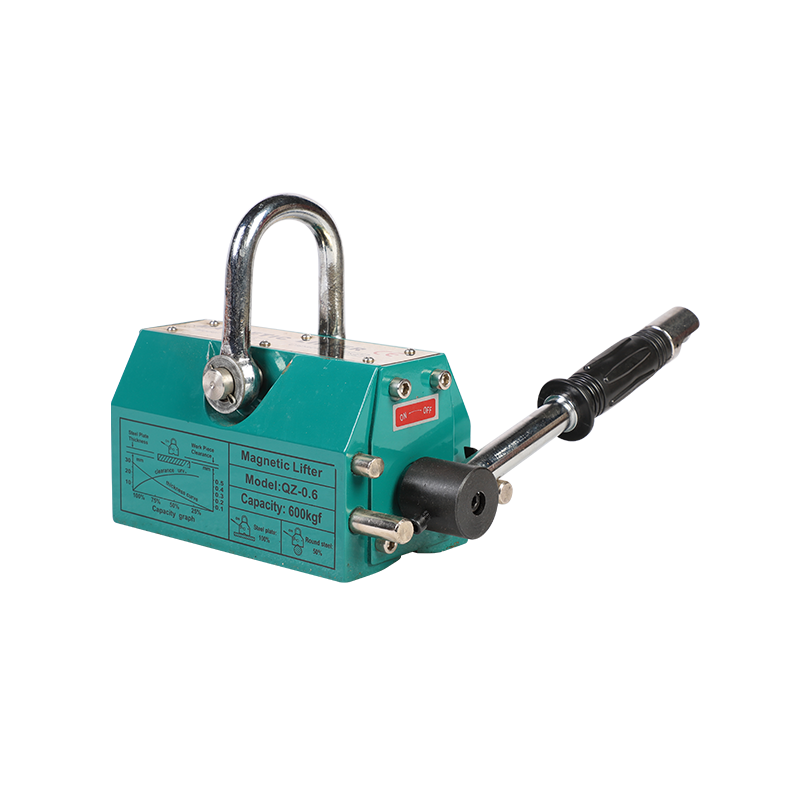
Definition and purpose: An Electro Permanent Magnetic Chuck (EPMC) combines permanent magnets with an electric activation system to provide a strong, stable magnetic holding force.
Applications: Commonly used in precision machining, grinding, milling, and CNC operations for securely holding ferromagnetic workpieces.
Relevance in production: High-volume, batch manufacturing of precision components requires consistent workpiece positioning and rapid setup, making EPMCs a valuable tool.
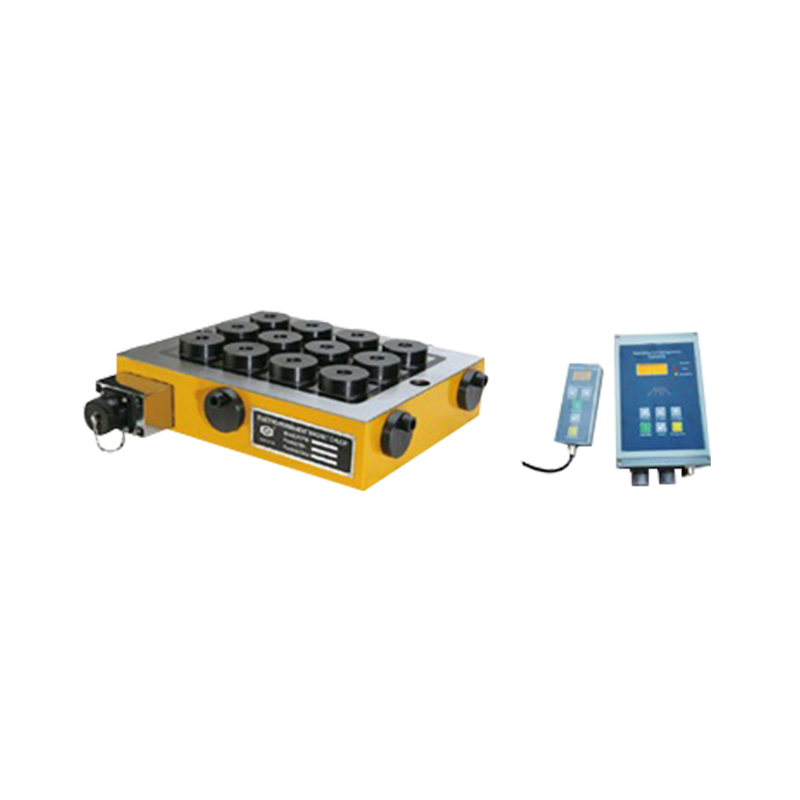
Traditional clamps' limitations:
EPMC advantages over mechanical clamps:
Rapid workpiece setup:
Consistent holding force:
Flexibility in part shapes and sizes:
Uniform pressure distribution:
Magnetic force is applied evenly across the workpiece surface, preventing warping or bending.
Improved dimensional accuracy:
Reduced vibration and chatter:
A stable magnetic hold dampens vibrations during cutting, causing smoother surface finishes and longer tool life.
Reduced operator fatigue:
Safer handling of heavy parts:
Lower maintenance requirements:
Energy efficiency:
Requires power only during activation or deactivation, unlike full electromagnets that consume constant electricity.
Long-term cost benefits:
Reduced setup time, minimized errors, and extended tool life contribute to overall production savings.
Material restrictions:
Surface condition:
Rust, scale, or oil on the workpiece can reduce magnetic holding efficiency.
Initial investment:
EPMCs are more expensive than traditional clamps but offer ROI through productivity gains.
An Electro Permanent Magnetic Chuck offers significant efficiency advantages over traditional mechanical clamps in precision batch production. Key benefits include rapid setup, consistent and uniform holding force, improved machining accuracy, reduced operator fatigue, and lower long-term maintenance costs. By streamlining workflow and enabling reliable multi-part handling, EPMCs are particularly well-suited for industries demanding high-volume precision, such as aerospace, automotive, and electronics. While material compatibility and surface preparation must be considered, the overall productivity gains and quality improvements make EPMCs a valuable investment for modern machining operations.



PRODUCTS

CONTACT US
Copyright @Zhejiang Three-gold Magnetic Machine Co., Ltd. All rights reserved
Magnetic Lifting Tools Manufacturers


 English
 中文简体
中文简体
 русский
 عربى
عربى