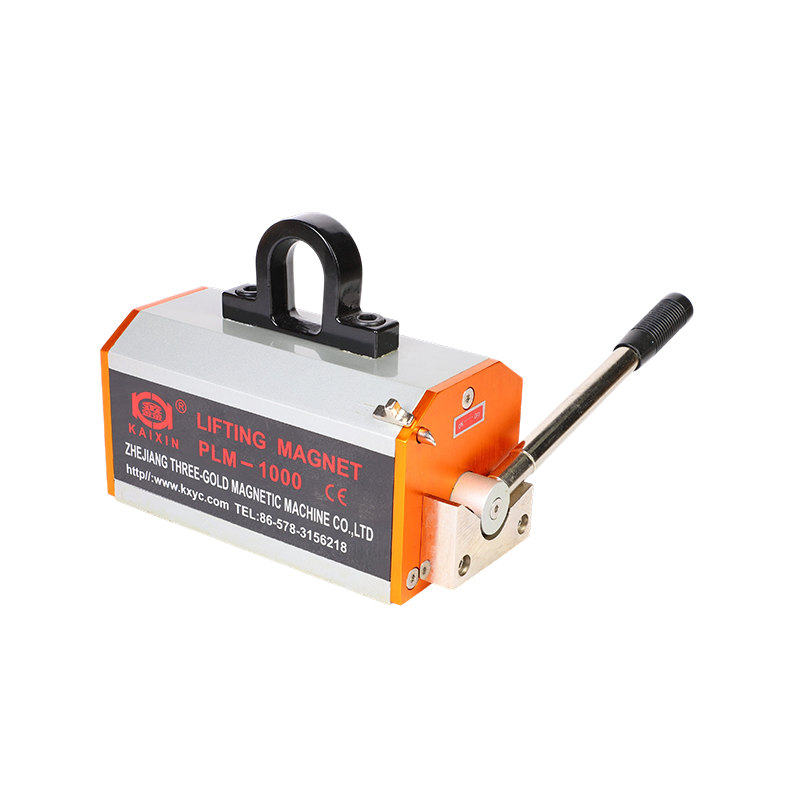
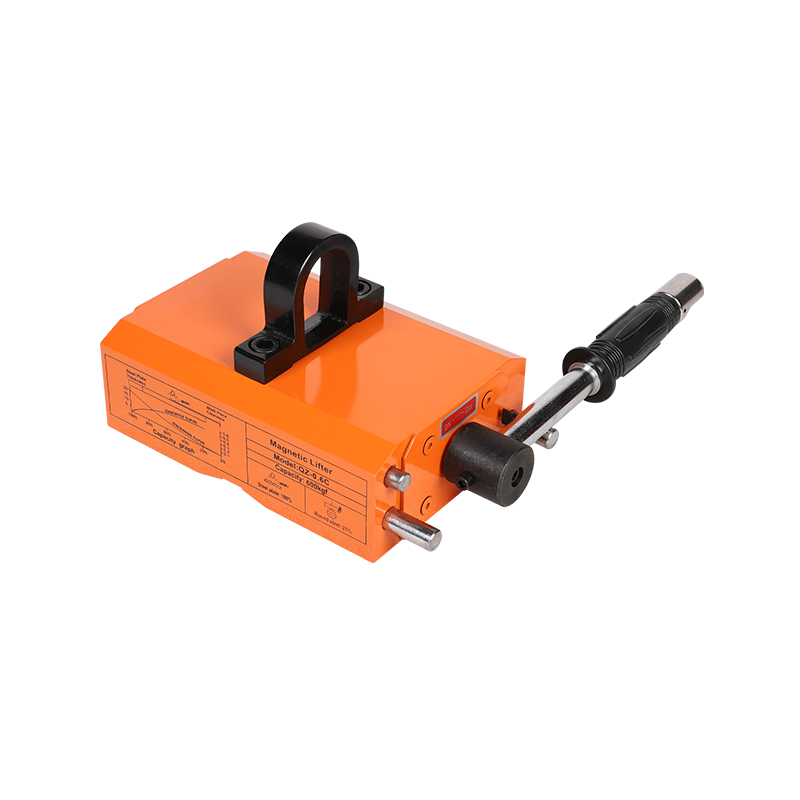
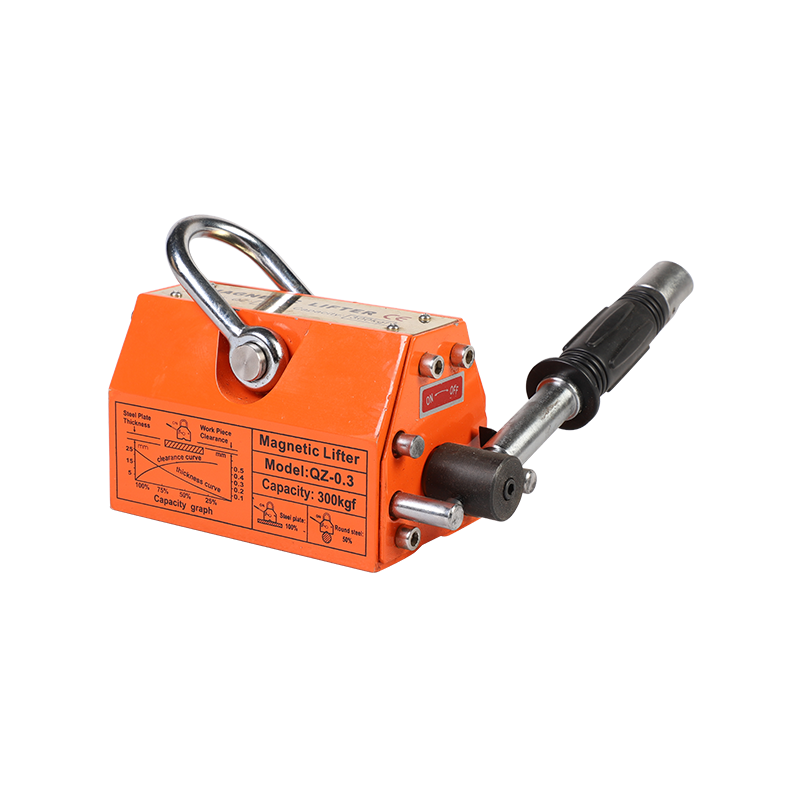
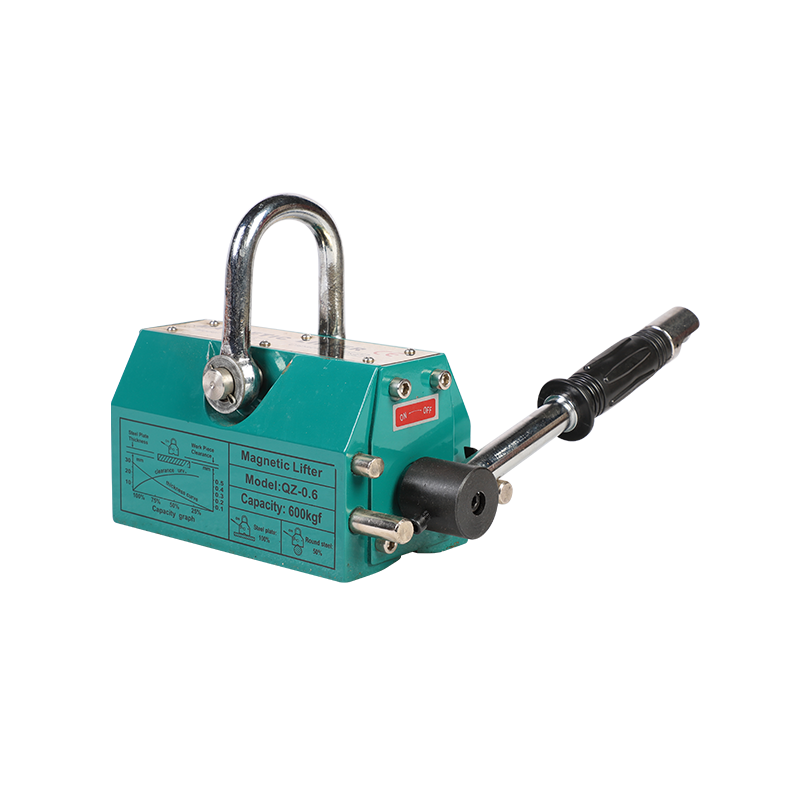
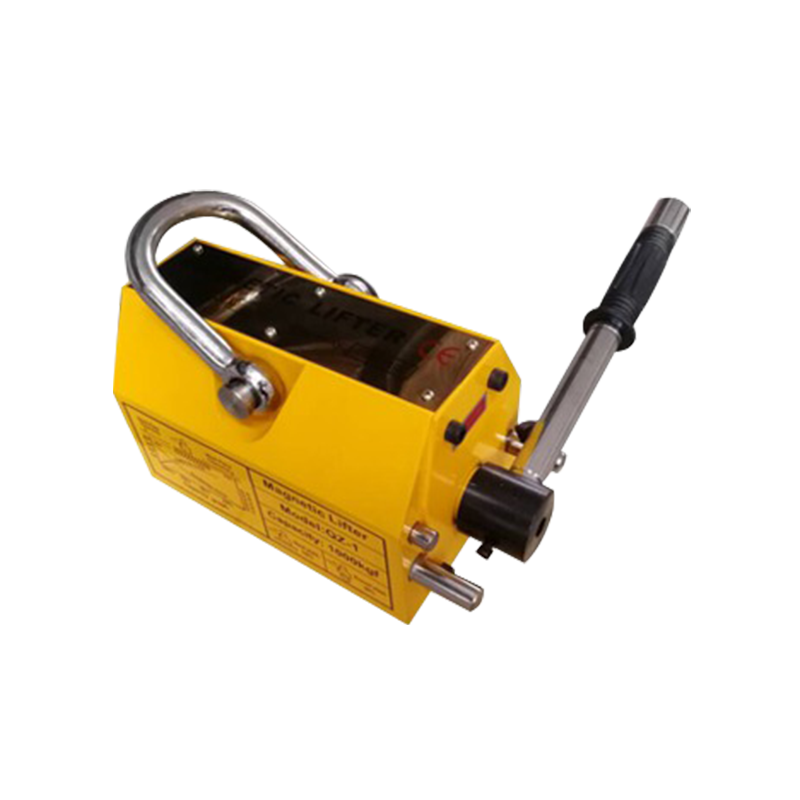
Definition and purpose: A Permanent Magnet Lifting Device is a mechanical tool that uses strong permanent magnets to lift ferromagnetic materials without electricity.
Applications: Widely used in steel mills, workshops, warehouses, and construction sites to handle metal plates, billets, rods, and pipes.
Key consideration: The effectiveness of these devices depends heavily on the contact between the magnet and the workpiece surface. High-quality Permanent Magnet Lifting Device designs aim to improve surface contact for suitable lifting performance.
Impact on magnetic contact:
Potential risks:
Mitigation strategies:
Reduction of magnetic grip:
Safety hazards:
Practices:
Strong magnetic field:
Even with minor unevenness or contamination, modern devices provide sufficient residual force for small or moderately irregular surfaces.
No power source required:
Operates in environments where electricity is not available or safe.
Durability:
Can handle repeated lifting cycles without degradation of magnetic strength, provided the device is properly maintained.
Versatility:
Many devices include safety mechanisms, swivel hooks, or adjustable magnets to adapt to non-ideal surfaces.
Evaluate surface condition:
Measure unevenness and inspect for oil, grease, or debris.
Select an appropriate lifting device:
Multi-segment or flexible permanent magnets are better suited for curved, warped, or partially contaminated surfaces.
Surface preparation:
Load testing:
Operator training:
Proper training on handling uneven or contaminated workpieces increases safety and reduces the risk of accidents.
Suitable scenarios:
Unsuitable scenarios:
Combined solutions:
In challenging situations, use mechanical clamps, vacuum lifting, or electric hoists in combination with permanent magnet lifting devices.
A Permanent Magnet Lifting Device is highly effective for handling ferromagnetic materials in industrial and construction settings. However, its performance is sensitive to surface conditions. Uneven surfaces, bends, and oil contamination can reduce magnetic grip and lifting safety. By carefully assessing workpiece conditions, selecting appropriate devices, and implementing surface preparation and safety practices, operators can safely and efficiently use permanent magnet lifters even in challenging scenarios. Understanding these limitations ensures that lifting operations remain safe, reliable, and efficient while improving the benefits of permanent magnet technology.



PRODUCTS

CONTACT US
Copyright @Zhejiang Three-gold Magnetic Machine Co., Ltd. All rights reserved
Magnetic Lifting Tools Manufacturers


 English
 中文简体
中文简体
 русский
 عربى
عربى