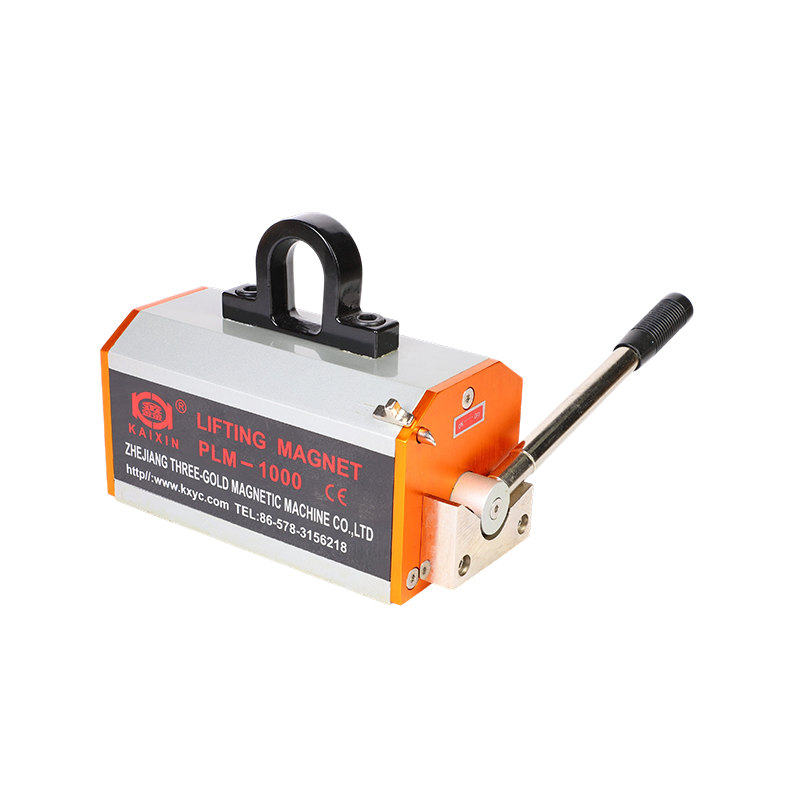
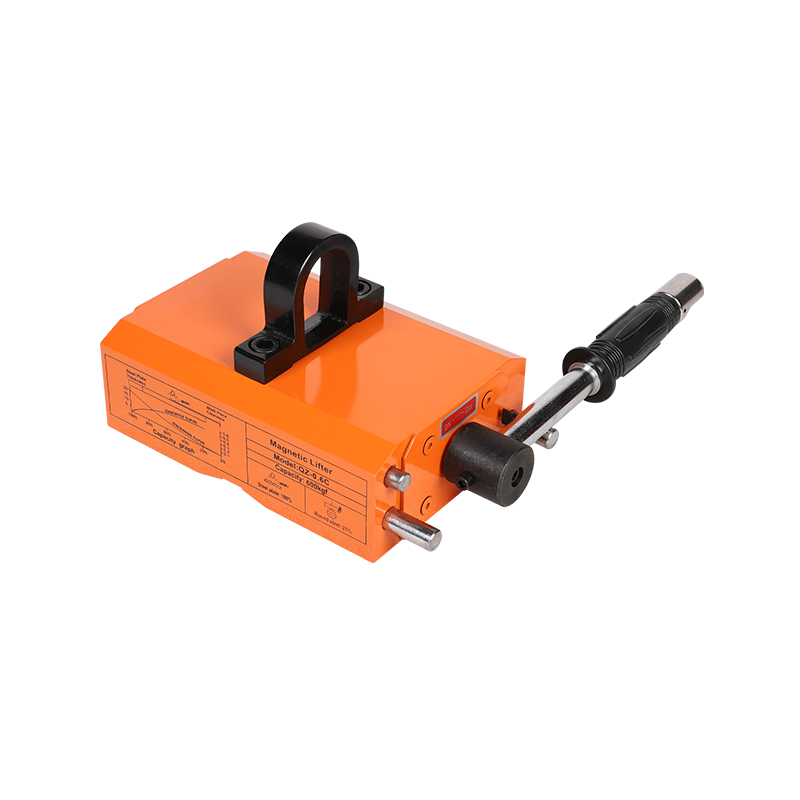
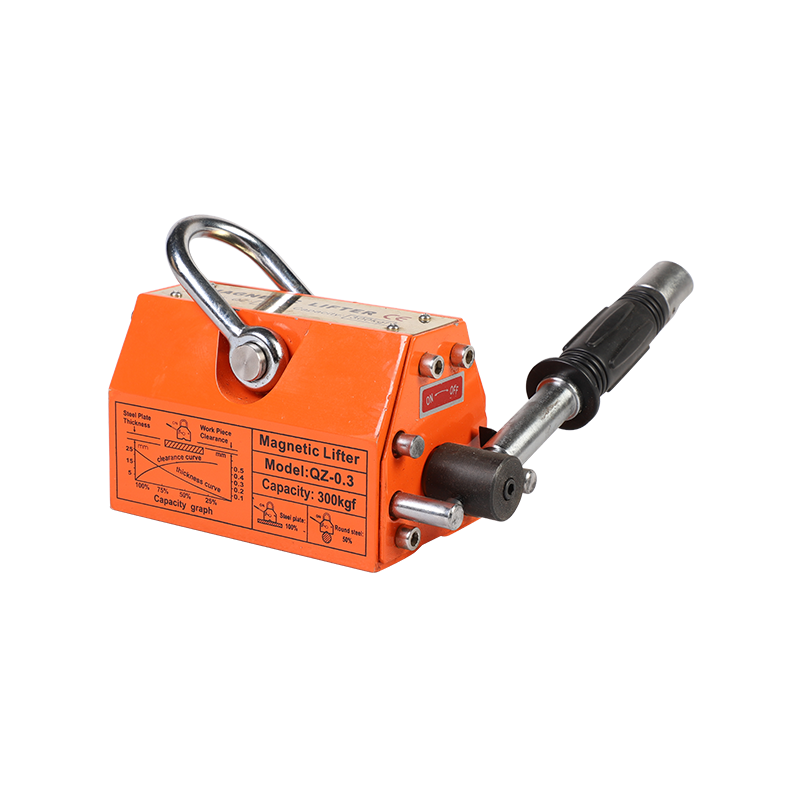
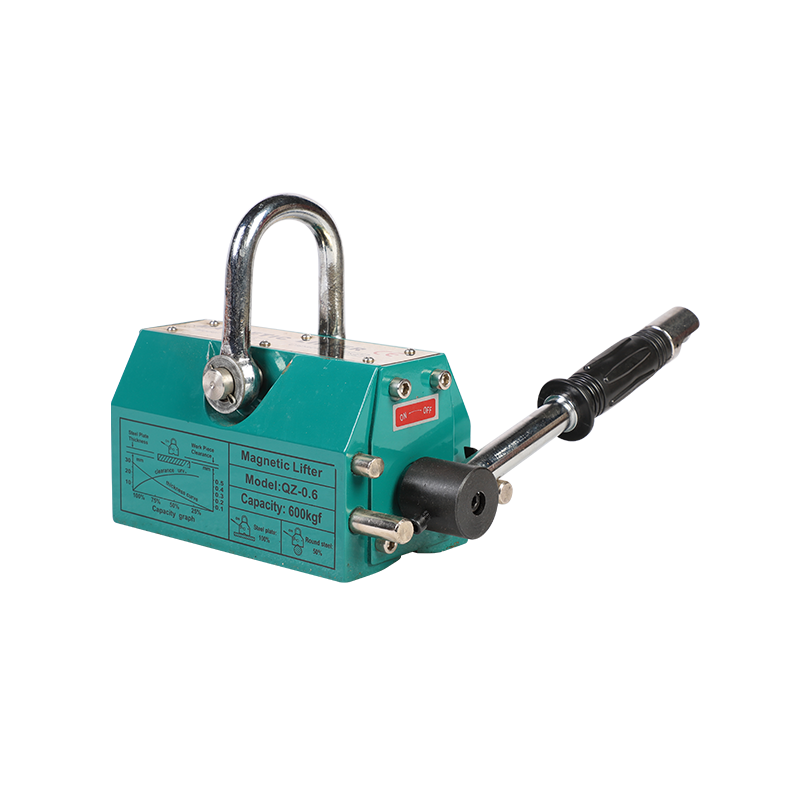
Introduction to Lifting Permanent Magnets
Definition and purpose: Lifting Permanent Magnets are specialized tools designed to handle ferromagnetic materials safely and efficiently without relying on electricity.
Applications: Widely used in steel mills, workshops, warehouses, shipyards, and construction sites for lifting metal plates, billets, and cylindrical components.
Importance of material selection: Choosing the right magnetic material directly affects lifting capacity, durability, and environmental suitability.
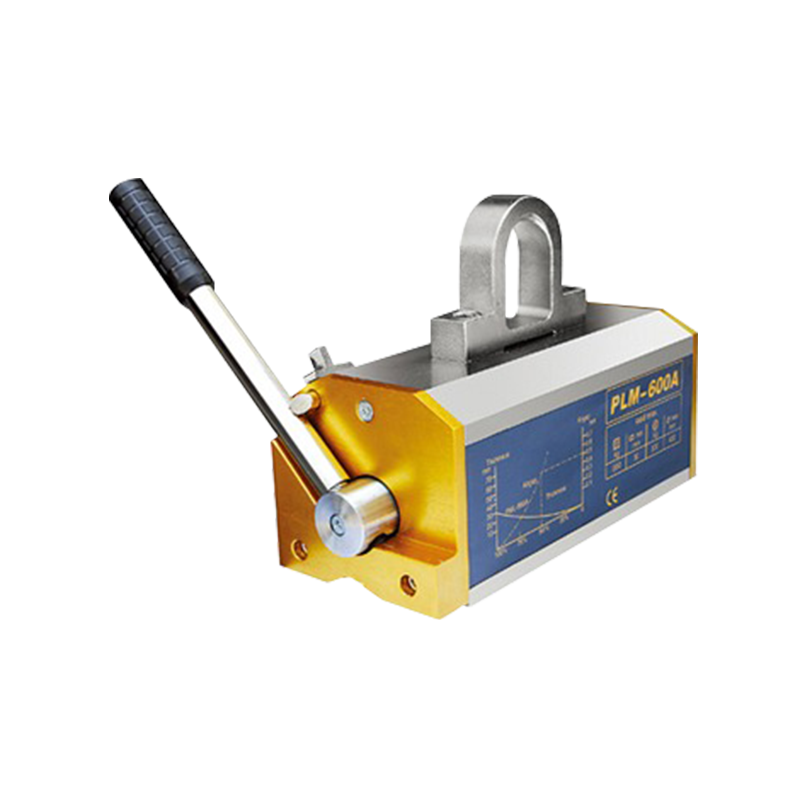
Overview of Common Permanent Magnet Materials
Neodymium-Iron-Boron (NdFeB):
- Known for extremely high magnetic strength.
- Offers good lifting performance with a relatively compact size.
- Cost-effective and widely available.
Samarium-Cobalt (SmCo):
- Highly resistant to temperature fluctuations and corrosion.
- Maintains stable magnetic performance over a wide range of harsh environments.
- Generally, more expensive than NdFeB due to material cost and production complexity.
Magnetic Strength and Lifting Capacity
Neodymium magnets:
- Provide stronger magnetic fields per unit volume.
- Ideal for lifting heavier steel plates with smaller magnet sizes.
- Performance can diminish at high temperatures or under prolonged heat exposure.
Samarium-Cobalt magnets:
- Moderate magnetic strength compared to NdFeB, but highly stable.
- Lifting capacity remains consistent in environments exceeding 300°C.
- Suitable for industrial applications where heat resistance is critical.
Temperature and Environmental Performance
NdFeB limitations:
- Operating temperature is typically around 80–150°C, depending on grade.
- Exposure to higher temperatures can cause permanent loss of magnetism.
- Prone to corrosion if the surface coating is damaged or absent.
SmCo advantages:
- Can operate safely up to 350°C.
- Good resistance to demagnetization under thermal stress.
- Intrinsically corrosion-resistant, often requiring minimal protective coating.
Durability and Lifespan
Neodymium magnets:
- High initial magnetic strength but sensitive to mechanical shocks and abrasion.
- Requires a protective coating to prevent rust and extend operational life.
- Lifespan may be reduced in outdoor or high-humidity environments.
Samarium-Cobalt magnets:
- Good mechanical and chemical stability.
- Can endure long-term industrial use with minimal maintenance.
- Less prone to magnetic degradation, even in aggressive environments.
Cost and Availability
Neodymium magnets:
- More affordable and easier to source.
- Popular choice for standard lifting permanent magnets in general workshops.
- Economical for high-volume applications where cost efficiency is a priority.
Samarium-Cobalt magnets:
- Significantly higher material and manufacturing costs.
- Preferred in specialized applications where heat and corrosion resistance justify the investment.
- Often used in aerospace, chemical, and high-temperature industrial operations.
Practical Applications in Lifting Permanent Magnets
NdFeB lifting magnets:
- Ideal for indoor warehouses, shipyards, and steel handling operations with moderate temperature ranges.
- Compact design allows for easy maneuvering and installation in confined spaces.
SmCo lifting magnets:
- Preferred for foundries, glass and metal processing plants, or environments with extreme heat exposure.
- Maintains lifting performance and safety under demanding industrial conditions.
Considerations for Selection
- Temperature requirements: Evaluate expected ambient and operational temperatures.
- Corrosion exposure: Consider moisture, chemicals, and long-term durability.
- Weight and size constraints: NdFeB offers a higher strength-to-size ratio, useful in compact lifting systems.
- Budget and lifecycle costs: SmCo has a higher upfront cost but may provide lower maintenance and replacement expenses over time.
- Operational safety: Consistent magnetic performance reduces the risk of accidental dropping or slippage.
Selecting the right material for Lifting Permanent Magnets is critical to achieving optimal performance and safety. Neodymium-iron-boron magnets excel in strength, cost-efficiency, and compactness, making them ideal for standard lifting tasks in moderate environments. Samarium-cobalt magnets, while more expensive, offer unmatched thermal stability, corrosion resistance, and long-term durability, making them essential for high-temperature or aggressive industrial applications. Understanding these material characteristics ensures that lifting magnets meet operational needs while minimizing risks, maintenance, and replacement costs.






 English
 中文简体
中文简体
 русский
 عربى
عربى