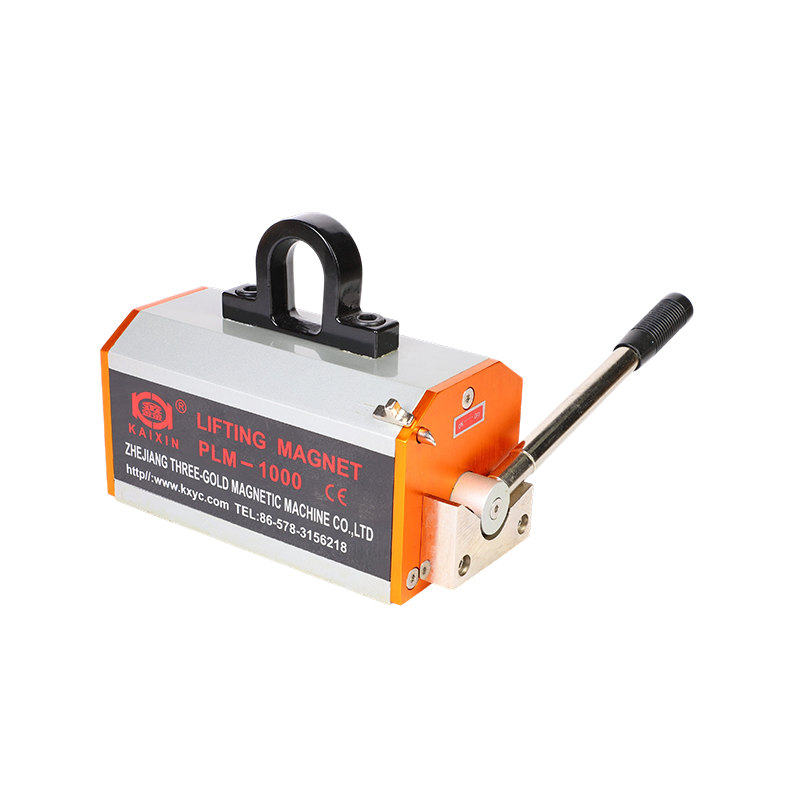
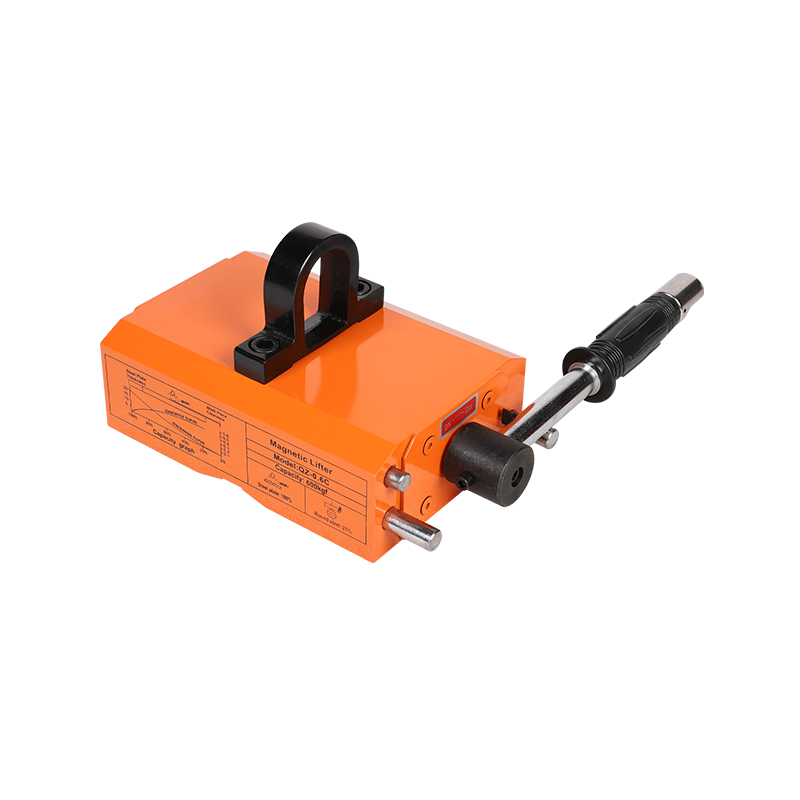
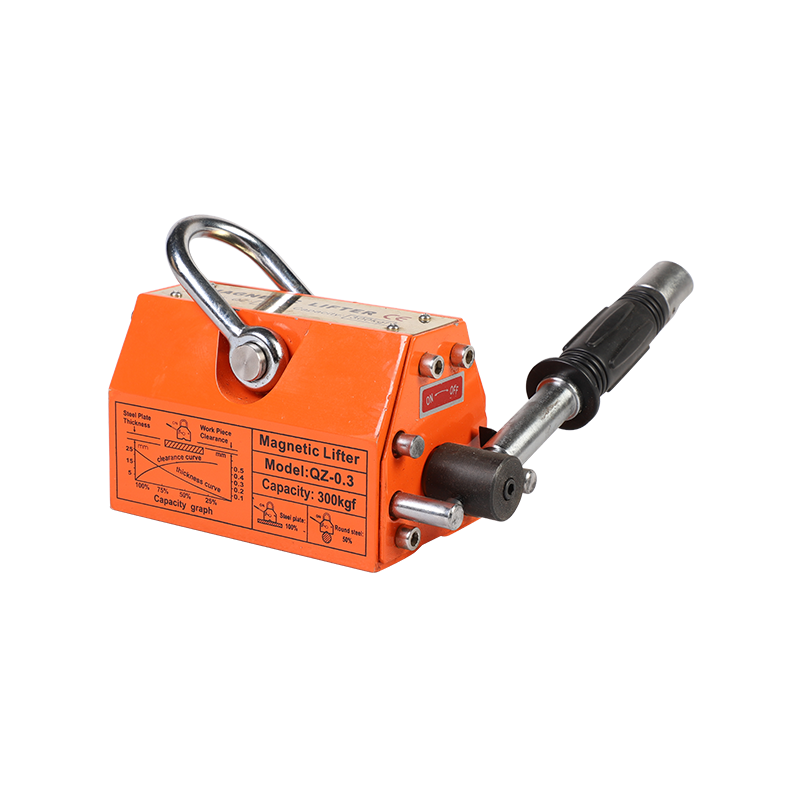
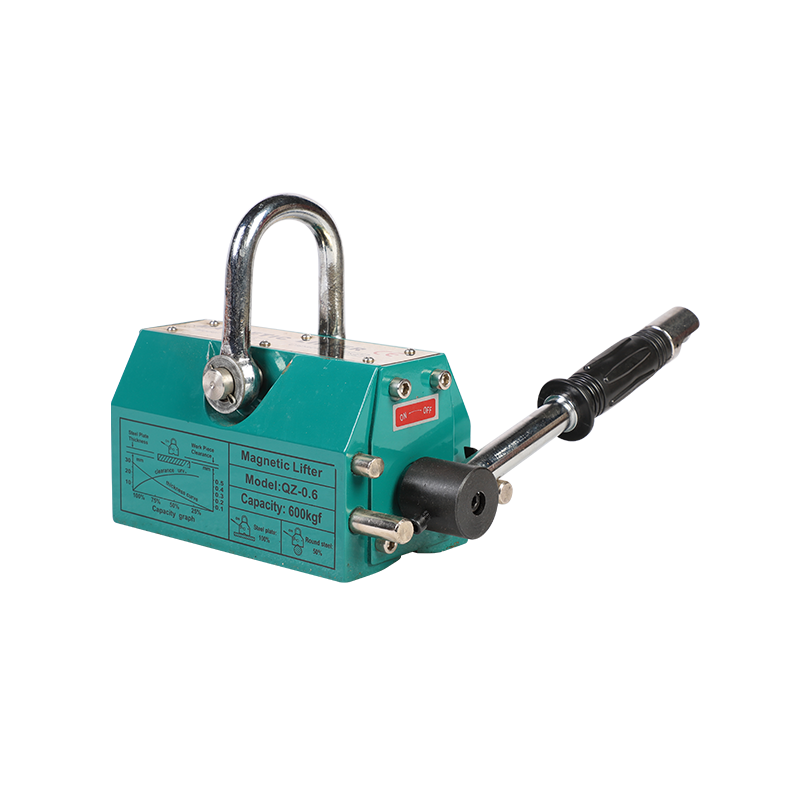
A dense permanent magnetic chuck is a critical tool in modern machining and metalworking, widely used for securely holding ferromagnetic workpieces during grinding, milling, and other precision operations. Unlike traditional electromagnetic chucks that rely on continuous electric current, dense permanent magnetic chucks utilize a carefully arranged network of high-strength permanent magnets to generate a stable and uniform magnetic field. Understanding the working principle of a dense permanent magnetic chuck is essential for operators, engineers, and purchasing managers seeking reliable and efficient workholding solutions.
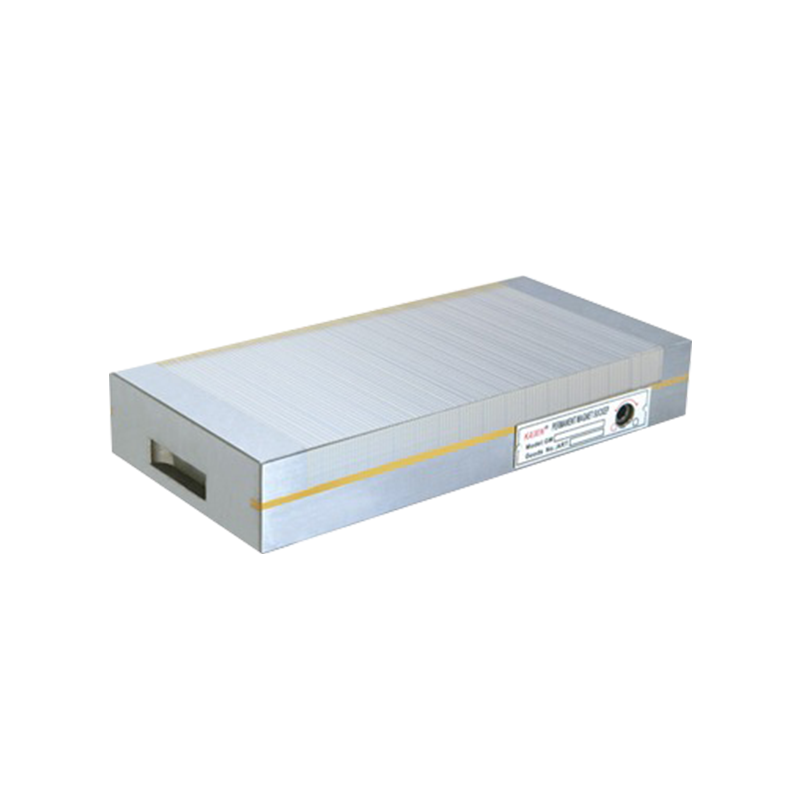
The working principle of a dense permanent magnetic chuck begins with its internal construction. These chucks typically contain multiple permanent magnet blocks embedded in a steel body. The magnets are arranged in a dense matrix or grid pattern, which allows the magnetic field to be evenly distributed across the chuck surface. This arrangement ensures that ferromagnetic workpieces receive consistent attraction across the entire contact area, preventing uneven clamping and potential workpiece movement during machining.
Although the magnetic force is generated by permanent magnets, dense permanent magnetic chucks often feature a mechanical or electrical switching system to control the magnetic field. The activation mechanism usually involves moving a set of magnet bars or rotors within the chuck body, aligning the magnetic poles to either concentrate the field on the surface or redirect it internally to neutralize the holding force. When the poles are aligned toward the surface, the chuck is in its active state, capable of holding workpieces securely. When deactivated, the magnetic field is redirected internally, significantly reducing surface attraction and allowing safe placement or removal of materials.
The effectiveness of a dense permanent magnetic chuck depends on the density and alignment of magnetic flux lines. Because the magnets are positioned closely together, the magnetic flux is concentrated and uniformly spread across the working surface. This results in a strong holding force even for thin or irregularly shaped workpieces. The dense arrangement also reduces leakage of magnetic energy, improving efficiency compared to traditional sparse magnet designs. The uniform flux ensures that the workpiece remains stable during high-precision operations, which is particularly important for grinding and fine milling processes.
The dense magnetic configuration provides several key benefits in practice. It increases the holding power per unit area, allowing the chuck to grip heavier loads without increasing its physical size. Secondly, the uniform magnetic field reduces vibration and prevents workpiece shifting, improving machining accuracy. Thirdly, because the holding force is generated by permanent magnets, there is no continuous electricity consumption, reducing energy costs and eliminating heat-related distortions that can occur with electromagnetic alternatives.
Dense permanent magnetic chucks are commonly used in high-precision manufacturing environments, including tool grinding, flat surface milling, and gear machining. Operators should ensure the workpiece surface is clean and free of rust, paint, or oil to improve magnetic adhesion. Regular inspection of the switching mechanism and surface flatness is essential to maintain a consistent holding force. Proper understanding of the dense magnetic structure also allows users to handle delicate or irregular parts safely, reducing the risk of workpiece damage.
The working principle of a dense permanent magnetic chuck relies on the strategic arrangement of high-strength permanent magnets and a controlled switching mechanism to generate a uniform and strong magnetic field. This design provides consistent holding force, energy efficiency, and high stability, making it an indispensable tool for precision machining operations. By understanding its core principles, users can fully leverage the capabilities of a dense permanent magnetic chuck for safer, more accurate, and more efficient metalworking processes.



PRODUCTS

CONTACT US
Copyright @Zhejiang Three-gold Magnetic Machine Co., Ltd. All rights reserved
Magnetic Lifting Tools Manufacturers


 English
 中文简体
中文简体
 русский
 عربى
عربى