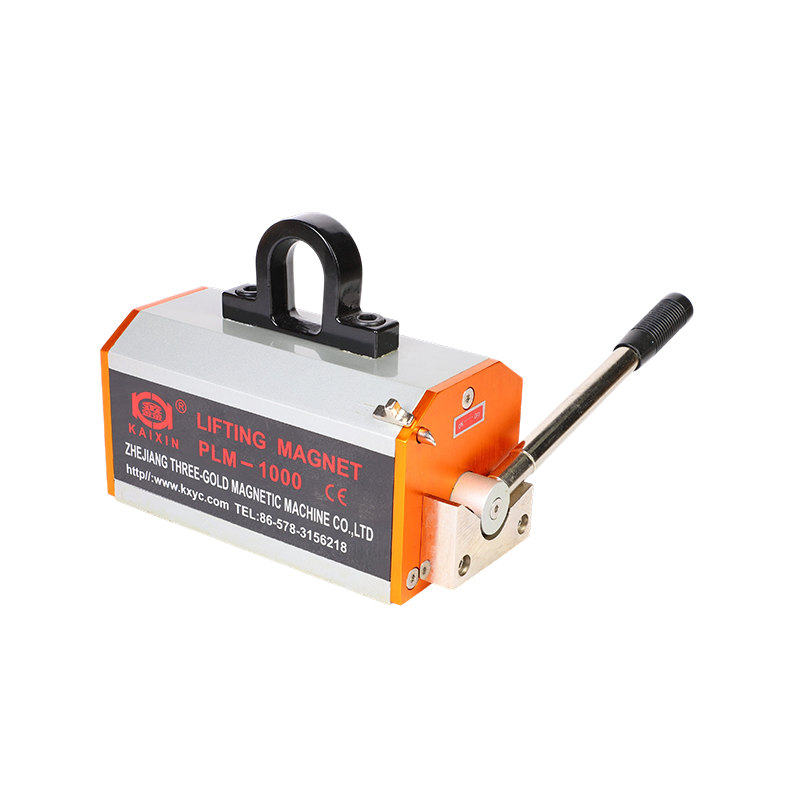
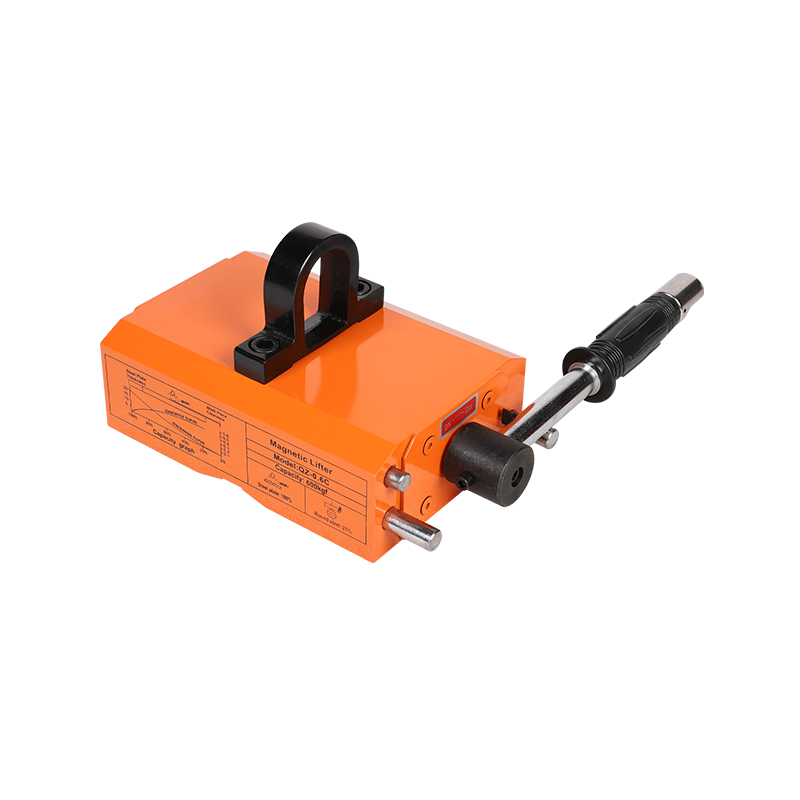
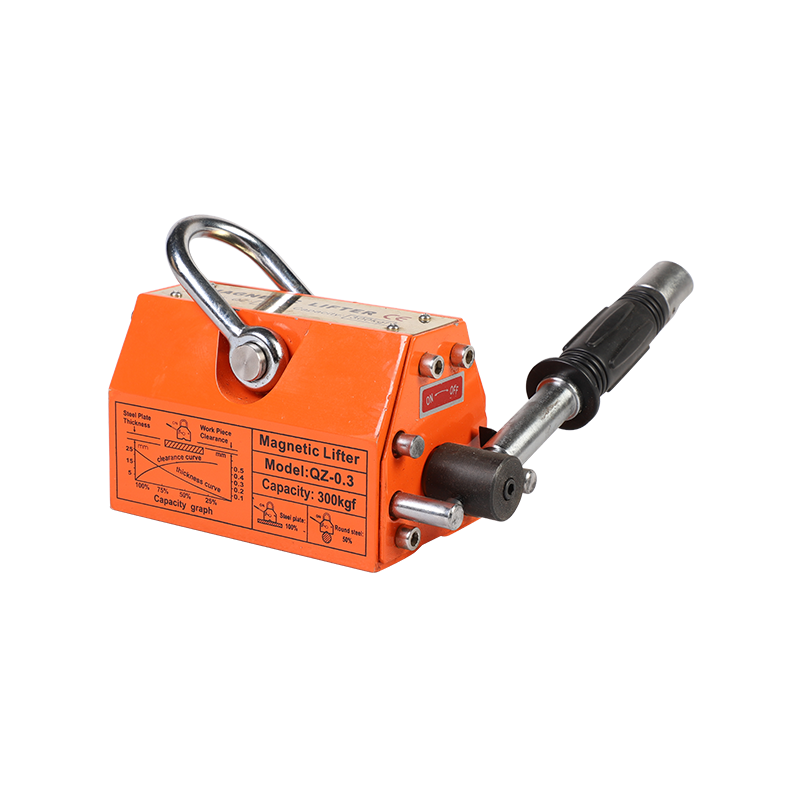
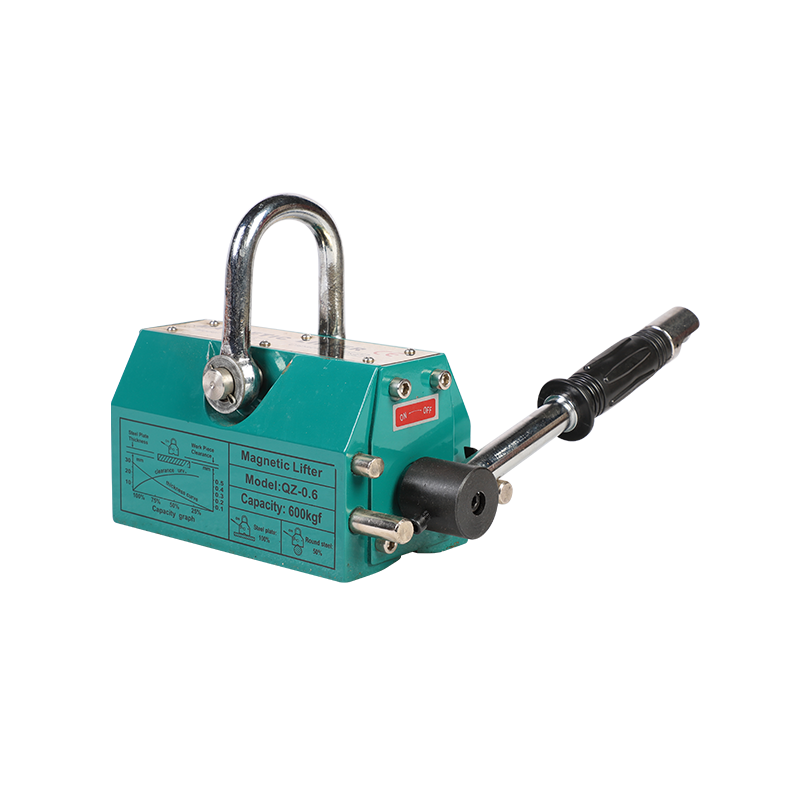
Watch a crew try to lift a steel plate using chains and hooks, and there's usually a fair amount of fumbling involved — positioning the chains just right, checking they're secure, making sure nothing slips before the crane even starts lifting. A Permanent Magnetic Lifter Factory builds equipment that skips most of that setup entirely, using magnetic force instead of physical attachment to grab hold of a metal object and move it.
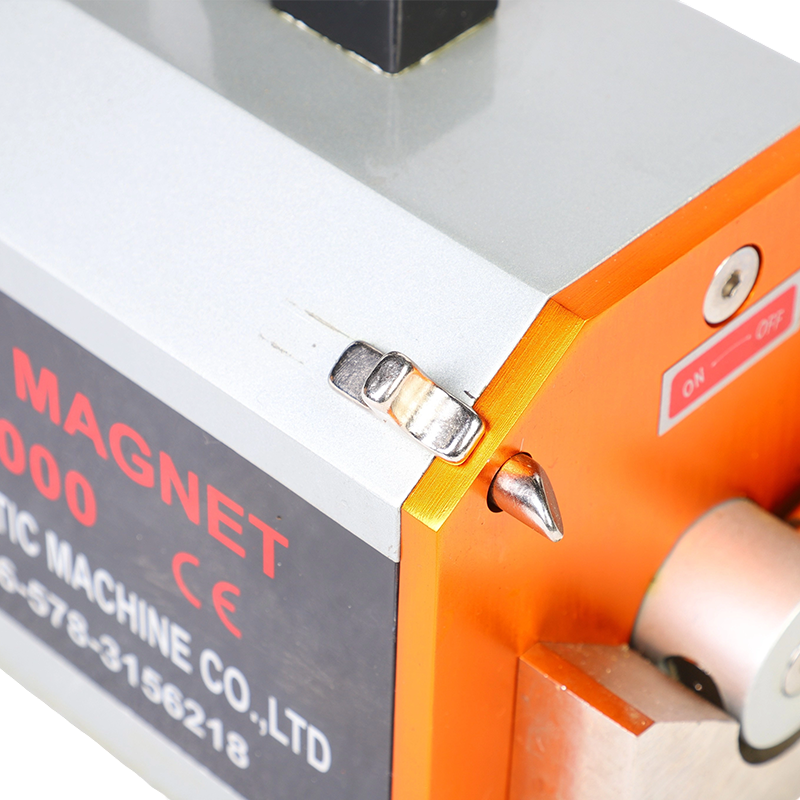
Chains, hooks, and slings have handled metal lifting for a long time, and they still work fine in plenty of situations. But they come with steps that add up over a busy shift — wrapping, checking, adjusting, unwrapping. A magnetic lifter cuts a lot of that out by simply attaching directly to the metal surface itself.
Metal handling hasn't gotten any less common in factories and warehouses, but the pace of that work has picked up. Crews moving steel sheets, beams, or coils repeatedly through a shift start feeling the drag of methods that require several steps just to secure one load.
| Common Frustration | What It Looks Like on the Floor |
|---|---|
| Setting up chains or slings each time | Extra minutes spent before every single lift |
| Needing more than one tool for a job | More coordination between workers and equipment |
| Struggling with awkward or flat shapes | Some metal pieces don't attach easily with hooks |
| Keeping every attachment point secure | More checking, more room for something to go wrong |
A metal fabrication shop moving steel plates dozens of times a day feels this friction directly. Every extra minute spent rigging a load adds up across a full shift, and that time comes straight out of actual production.
The idea behind a magnetic lifter is fairly direct. Instead of wrapping a chain around a load, the lifter itself gets placed on top of a metal surface, and a magnetic connection holds it there long enough to move the object wherever it needs to go.
The process generally runs like this:
A worker moving steel plates from a storage rack to a cutting table can skip the chain-wrapping step entirely, setting the lifter down, engaging it, and moving straight to the next task without the usual setup delay.
Cutting out repeated setup steps doesn't just save a few seconds here and there. Across a full shift moving dozens of loads, that time adds up into a real difference in how much work actually gets done.
Magnetic lifters tend to help by:
A warehouse handling steady shipments of steel coils benefits from this kind of speed, especially when the same lifting task repeats dozens of times in a single day.
Magnetic lifters aren't limited to one type of facility. Anywhere metal needs regular, repeated movement, this equipment tends to show up.
A steel fabrication shop running cutting and welding stations side by side often relies on magnetic lifters to shuttle plates between those stations without needing a separate rigging step every time a piece changes hands.
Nobody enjoys extra steps that don't add value to the actual job. A tool that connects quickly and predictably tends to get adopted fast on a factory floor, especially by workers doing repetitive lifting all day.
What tends to matter most:
A worker running the same lifting task dozens of times a day notices the difference almost immediately once chains and hooks get replaced with a magnetic attachment that takes a fraction of the setup time.
Both approaches move metal from one place to another, but the way they connect to the load is fundamentally different, and that difference shapes how each performs on the job.
| What's Different | Mechanical Lifting Tools | Permanent Magnetic Lifter |
|---|---|---|
| How it connects | Physical wrapping or hooking | Direct magnetic attachment |
| Setup involved | Often requires several steps | Attaches almost immediately |
| Handling odd shapes | Depends heavily on the shape and tool | Works well on flat or irregular metal surfaces |
| Overall approach | Mechanical securing | Magnetic control |
Neither method replaces the other outright. A crew moving irregular non-metal loads still needs traditional rigging, while a crew moving flat steel plates all day gains real time savings from switching to a magnetic approach.
Moving heavy metal always carries risk, and switching lifting methods doesn't remove that risk automatically. Magnetic lifters need their own safety considerations built directly into how they're designed and used.
Safety-focused design tends to address:
A crew lifting steel plates overhead needs total confidence that the magnetic connection won't release unexpectedly mid-lift, which is why proper training and correct application matter just as much as the equipment itself.
A Permanent Magnetic Lifter Factory doesn't just build one standard device and call it done. Different metals, different shapes, and different workplace conditions all demand adjustments to how a lifter gets designed.
| Challenge | What It Requires |
|---|---|
| Handling different metal types | Adjusting magnetic strength and design to suit the material |
| Fitting into varied workplaces | Building flexibility into how the equipment gets applied |
| Meeting practical user expectations | Keeping operation simple despite the underlying complexity |
| Working within existing setups | Designing equipment that fits smoothly into current workflows |
A manufacturer building lifters for a steel warehouse needs a different approach than one building for a smaller fabrication shop handling thinner metal sheets, since the demands on holding strength and control differ between those two settings.
Industrial equipment overall has been shifting toward tools that simplify daily tasks rather than adding complexity. Businesses want equipment that helps workers move faster without sacrificing safety or reliability.
Permanent magnetic lifters reflect this shift by:
A facility gradually replacing older chain-and-hook methods with magnetic lifters for suitable tasks tends to notice the shift in overall workflow speed within just a few weeks of making that change.
Material handling keeps moving toward equipment that solves real, everyday friction rather than just adding features for their own sake. Permanent magnetic lifters show how a fairly simple mechanical idea — using magnetic force instead of physical attachment — can meaningfully change how metal gets moved around a busy facility.
As workplaces keep looking for ways to cut down setup time and simplify repetitive lifting tasks, magnetic lifting equipment will likely keep finding its way into more operations, working alongside traditional methods rather than replacing them outright, and quietly making the daily grind of moving heavy metal just a little less exhausting.



PRODUCTS

CONTACT US
Copyright @Zhejiang Three-gold Magnetic Machine Co., Ltd. All rights reserved
Magnetic Lifting Tools Manufacturers


 English
 中文简体
中文简体
 русский
 عربى
عربى