A machinist setting up a batch of steel plates for surface grinding doesn't want to spend half the shift fiddling with clamps and bolts just to hold each piece steady. That's the practical problem a permanent magnetic chuck solves — it holds compatible metal workpieces in place during processing, creating a more stable and accessible working surface without any of that fuss. This kind of workholding earns its place in workshops and production settings where operators need to position metal parts for grinding, shaping, finishing, or related tasks. Because the holding force comes from a permanent magnetic system rather than an electromagnet, the chuck doesn't need continuous electrical power just to keep doing its basic job.
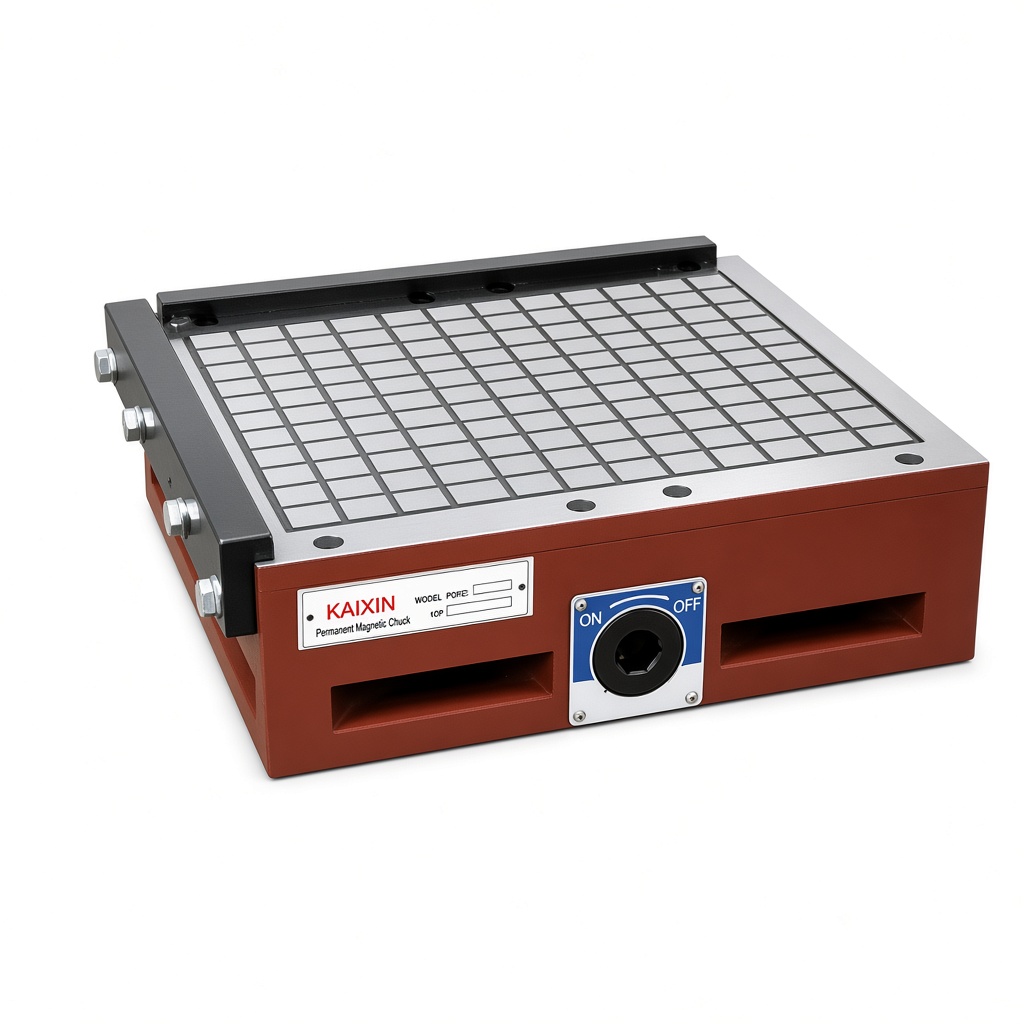
Workpiece clamping matters a lot in metal processing because how a component sits directly affects how easily an operation actually gets carried out. Traditional mechanical fixtures hold parts securely enough, sure, but they tend to take up space right around the workpiece where an operator might need to work. A magnetic chuck offers a different approach entirely, holding suitable metal through the contact surface itself, which leaves a lot more of the component open and accessible during processing.
A permanent magnetic chuck earns its keep when metalworkers need to secure suitable ferrous workpieces while keeping most of the working surface open and unobstructed. This setup simplifies certain processing tasks because the holding method doesn't depend on clamps sitting around the edges of the component, getting in the way. It also makes repeated setup work a lot more straightforward when similar workpieces come through the shop regularly, batch after batch.
The real benefit shows up most clearly when operators need access to a broad surface area. A mechanical fixture can interfere with part of that surface, while a magnetic chuck holds the workpiece from underneath instead, leaving the top completely clear. That gives the operator a lot more freedom positioning the processing equipment and cuts down on repeatedly having to reposition the workpiece mid-job.
The chuck isn't suitable for every material or every task that comes through the shop, though. The workpiece needs to interact properly with the magnetic holding surface, and its shape and condition genuinely affect the result. Operators should think through the material, contact area, surface condition, and processing method before reaching for magnetic workholding as the go-to solution.
Magnetic clamping supports workpiece stability by holding a compatible metal component firmly against the chuck surface throughout processing. A stable workpiece is a lot easier to work with, since unexpected movement makes positioning harder and can mess up the finished surface right when precision matters most. The magnetic holding method provides consistent contact across the whole area where the workpiece rests, which matters a lot during operations like grinding where even small shifts show up in the final finish.
Surface condition plays a genuinely important role here. Metal chips, dirt, oil, or other debris caught between the workpiece and chuck prevents close contact and weakens the whole holding arrangement. Keeping those contact surfaces clean is a simple habit, but it's an important part of routine workshop practice that's easy to skip when things get busy.
Workpiece shape deserves real attention too. A flat component sits evenly against the chuck without much fuss, while an irregular part might only make contact at a few scattered points. In these situations, the operator needs to think through whether a Permanent Chuck actually makes sense, or whether another form of workholding would fit the job better.
The processing activity itself matters just as much. Different operations place different demands on the workpiece — a light finishing pass asks a lot less of the holding system than an aggressive grinding operation does. A chuck should get selected based on the actual task at hand, not on the assumption that magnetic holding works equally well for every metalworking process out there.
A Permanent Chuck fits metal processing tasks where compatible workpieces need stable positioning alongside accessible surfaces. Surface finishing and grinding are common areas where magnetic workholding pays off, while other machining activities can work too, as long as the chuck and workpiece are properly matched from the start.
The real value of magnetic workholding tends to show up clearly during repeated production runs. If an operator's processing similar metal components throughout a shift — say, a run of steel brackets needing a finished surface — a consistent holding method makes positioning a lot easier each time. The operator places the workpiece, engages the magnetic holding function, checks its position, and moves on to the next stage without much wasted motion in between.
| Production Scenario | Workholding Consideration |
|---|---|
| Metal surface finishing | Stable positioning with open surface access |
| Grinding work | Secure contact throughout processing |
| Repeated part production | Convenient positioning and quick setup |
| Small workshop projects | Flexible handling of suitable parts |
| Component preparation | Accessible workpiece surfaces |
| General metal processing | Material and process compatibility |
These applications work as general examples rather than blanket recommendations for every shop. The right workholding method really depends on the specific workpiece and the operation being performed on it.
Material selection matters a lot here too. Magnetic chucks generally work with suitable ferrous materials, while non-magnetic materials like aluminum or brass usually need mechanical fixtures or some other holding method entirely. Buyers should confirm compatibility before committing to a purchase, rather than assuming a magnetic chuck will work with whatever happens to be on the shop floor.
Magnetic workholding simplifies production setup by cutting down on the physical clamps needed around a compatible workpiece. That opens up more usable space around the part and makes certain processing operations a lot easier to arrange, whether in a small workshop or a busier production environment running similar parts all day.
Setup involves a lot more than just plopping a component onto a machine. An operator needs to position the part, secure it properly, check its alignment, and confirm the processing area stays accessible throughout the job. When the workpiece and chuck are well matched, magnetic holding trims down some of the physical steps involved in that whole routine.
The open working area helps a lot too when the operator needs access to a larger portion of the component. Mechanical clamps sometimes cover part of the surface, or need careful positioning just to avoid getting in the way of the tool. Magnetic holding works entirely through the contact surface underneath, so fewer external fixtures end up crowding the workspace.
This doesn't mean mechanical clamping has lost its place, though. Components with unusual shapes, unsuitable materials, or specialized processing requirements often still need another solution entirely. Magnetic workholding should stay one option among several, not a blanket replacement for every clamping job in the shop.
A permanent magnetic chuck generally suits compatible ferrous workpieces that can make solid contact with the magnetic surface. Material type is only one piece of the selection puzzle, since shape, surface condition, and how the workpiece physically sits all affect how well it actually gets held in place.
Flat metal components tend to be easier to position because they sit directly against the chuck surface without gaps. Curved or irregular parts often make less contact overall, which changes whether a magnetic arrangement even makes sense for that job. A component with a rough or contaminated contact surface might need extra cleaning or prep before it goes anywhere near the chuck.
Workpiece size and form deserve consideration alongside the intended operation too. A large plate might call for a different workholding arrangement than a small bracket, while a thin sheet behaves quite differently under processing forces than a solid block of the same material.
Operators also need to think about whether the workpiece will stay properly positioned throughout the whole planned process. If an operation creates conditions the selected chuck just isn't built for, another clamping method probably makes more sense.
For purchasing teams, sharing detailed workpiece information with the manufacturer speeds up the whole selection process. Material details, drawings, photographs, and a description of the processing task all help the supplier understand exactly what the chuck needs to support before anything gets ordered.
A permanent magnetic chuck takes a genuinely different approach to workholding than mechanical clamping, since it holds suitable metal through magnetic force rather than physical clamps wrapped around the workpiece. That difference shapes setup time, surface access, and how operators end up arranging the whole production area around the job.
Mechanical clamps still earn their place in plenty of applications. They handle materials that don't respond to magnetic force at all, and they accommodate workpiece shapes that are genuinely difficult to place flat on a magnetic surface. They also adjust to fit specialized setups that a fixed magnetic surface simply can't match.
Magnetic workholding brings its own advantage when the workpiece is genuinely compatible with it. The holding surface leaves fewer external obstacles cluttering up the area around the part, which opens up better access during certain processing operations, especially where a tool needs to sweep across most of the surface.
| Workholding Method | Main Consideration |
|---|---|
| Permanent magnetic chuck | Suitable ferrous materials and surface contact |
| Mechanical clamp | Flexible across different material types and shapes |
| Fixture system | Useful for repeatable positioning of selected parts |
| Magnetic lifting equipment | Intended for moving compatible metal materials |
This comparison shows why product selection really needs to start with the application at hand, not the tool itself. There's no real need to swap out a perfectly suitable mechanical fixture just because magnetic workholding happens to be available. The more useful question is simply whether the magnetic method actually fits the workpiece and the production process in front of you.
Buyers should choose a Permanent Chuck based on workpiece material, shape, processing task, machine arrangement, and installation conditions. Looking at all of these together makes it a lot easier to land on a product that genuinely fits the intended workflow, rather than one that just looks right on a spec sheet.
A practical selection process can start with these questions:
These questions also help separate a product that merely looks suitable from one that genuinely fits the production process it's headed into.
A Permanent Magnetic Chuck Manufacturer supports buyers by matching the product to the actual workholding application, rather than treating every metalworking task as interchangeable. This matters especially when a company's replacing an existing chuck or planning out a new production setup from scratch.
Manufacturers often offer different product arrangements suited to different workpiece shapes and processing environments. Buyers speed up communication by sharing the material type, workpiece form, processing method, machine arrangement, and expected production routine upfront, rather than leaving the supplier to guess.
A photograph goes a long way when the component has an unusual shape that's hard to describe in words. A basic drawing can also show the contact area clearly and how the workpiece needs to sit on the machine. This kind of information gives the manufacturer a much clearer picture of the intended application before anything gets built.
Supplier support matters a lot during replacement projects too. An existing machine usually has a fixed installation area already, and the replacement product needs to fit into that arrangement without forcing unnecessary changes elsewhere in the setup.
Clear product information helps buyers compare options on real substance, rather than relying only on general descriptions that could apply to almost anything. It also helps operators understand the proper use and care of the equipment once it's actually installed on the shop floor.
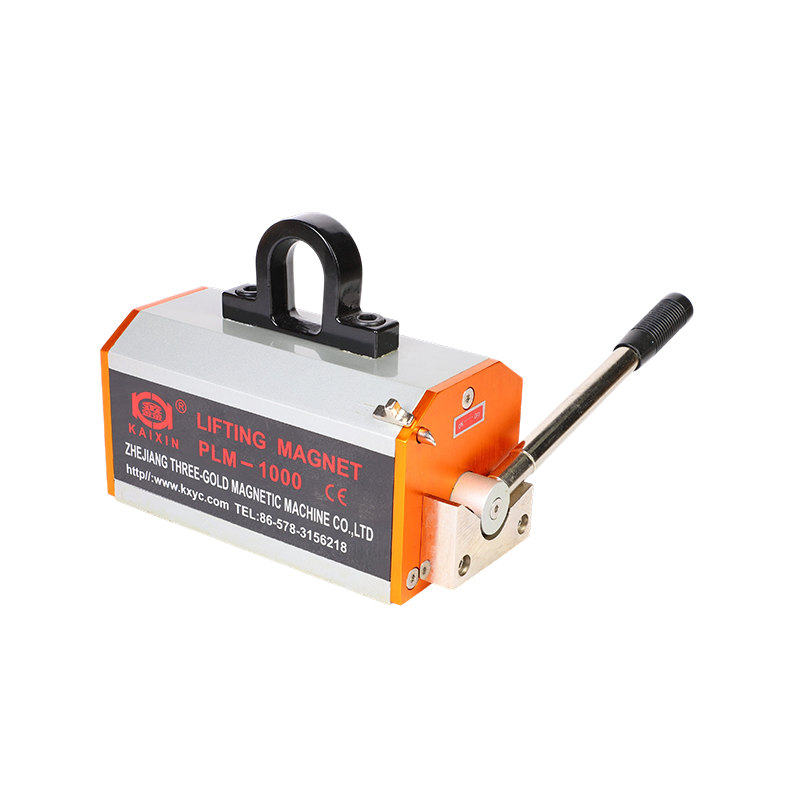
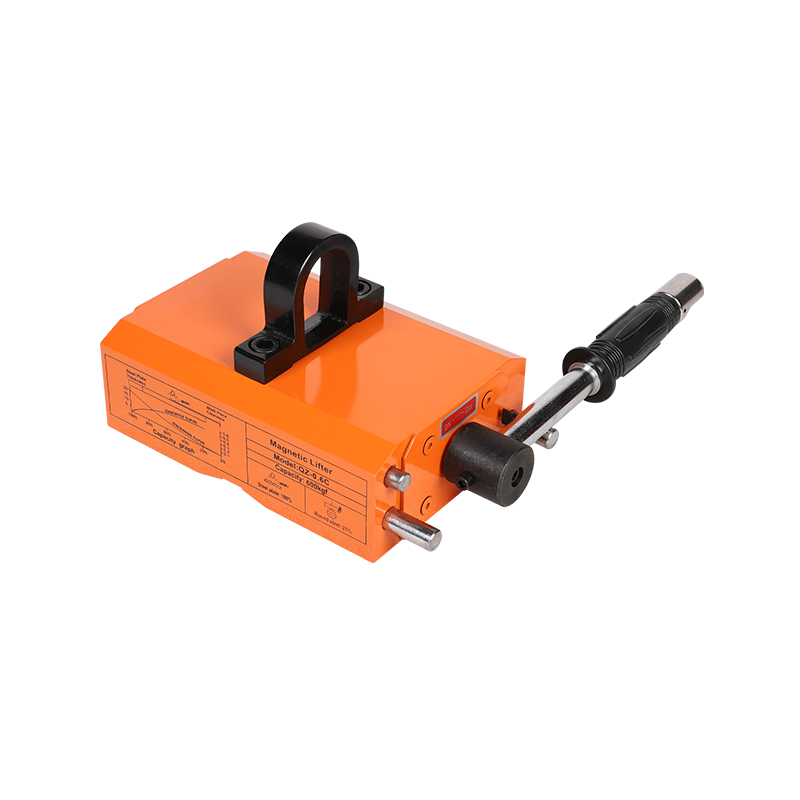
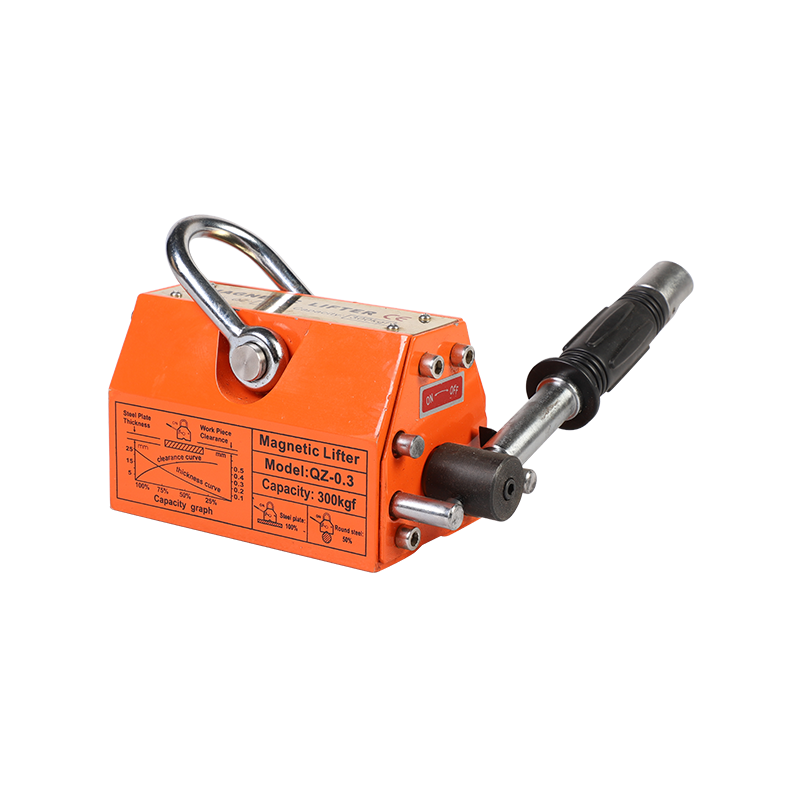
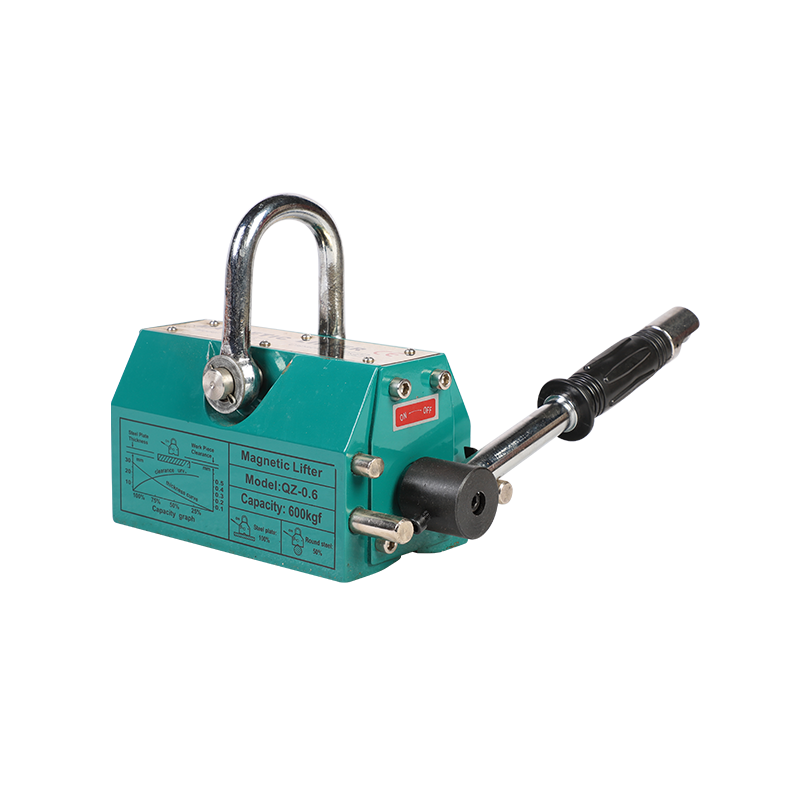
A permanent Magnetic Lifter Factory focuses on magnetic material handling, while a permanent magnetic chuck is generally used for stationary workpiece clamping during processing. These two product types show up in the same metalworking environment plenty of times, but they serve genuinely different stages of production.
A magnetic lifter helps move compatible metal materials from one spot to another — say, lifting a steel plate off a stack and onto a work table. Once that material actually reaches the processing area, a magnetic chuck takes over to hold the workpiece in position for the actual work. That creates a clear line between material handling and machining support, even though both rely on similar magnetic principles.
This distinction matters when planning equipment purchases. A lifting product needs evaluation based on how materials get moved around the shop, while a chuck needs evaluation based on how a workpiece gets processed once it's in place.
A permanent Magnetic Lifter Factory therefore tends to serve workshops, fabrication areas, warehouses, and other industrial settings where magnetic handling comes up regularly. Its products complement workholding equipment rather than replacing it outright — the two do different jobs in the same production flow.
For buyers managing several stages of production at once, understanding these different roles keeps equipment planning a lot more organized. Material handling and workpiece clamping connect to each other in the overall workflow, but each still needs its own separate selection criteria.
Magnetic workholding fits different production scenarios whenever the workpiece, processing method, and machine arrangement all line up with the holding system in use. A small workshop might reach for a permanent magnetic chuck for occasional metal finishing jobs, while a larger production facility might build magnetic workholding right into a repeated processing routine that runs day after day.
The priorities shift quite a bit between these two environments. A small workshop tends to value straightforward setup and flexible use above all else, while a larger production area usually focuses more on consistent positioning and a genuinely organized workflow across shifts. In both cases, though, the workpiece still needs to stay suitable for magnetic holding — that basic requirement doesn't change with scale.
Production planning should also account for the condition of the chuck surface over time. Regular cleaning helps maintain proper contact, while sensible storage and routine inspection support continued reliable use for years. Operators should follow the manufacturer's instructions and whatever safety practices the workshop's already established, rather than improvising.
The broader role of magnetic workholding stays practical rather than universal, in the end. A permanent magnetic chuck offers another way to secure suitable metal workpieces, open up better access to processing surfaces, and support an organized production routine — but only when its design genuinely matches the application it's being asked to handle.



PRODUCTS

CONTACT US
Copyright @Zhejiang Three-gold Magnetic Machine Co., Ltd. All rights reserved
Magnetic Lifting Tools Manufacturers


 English
 中文简体
中文简体
 русский
 عربى
عربى