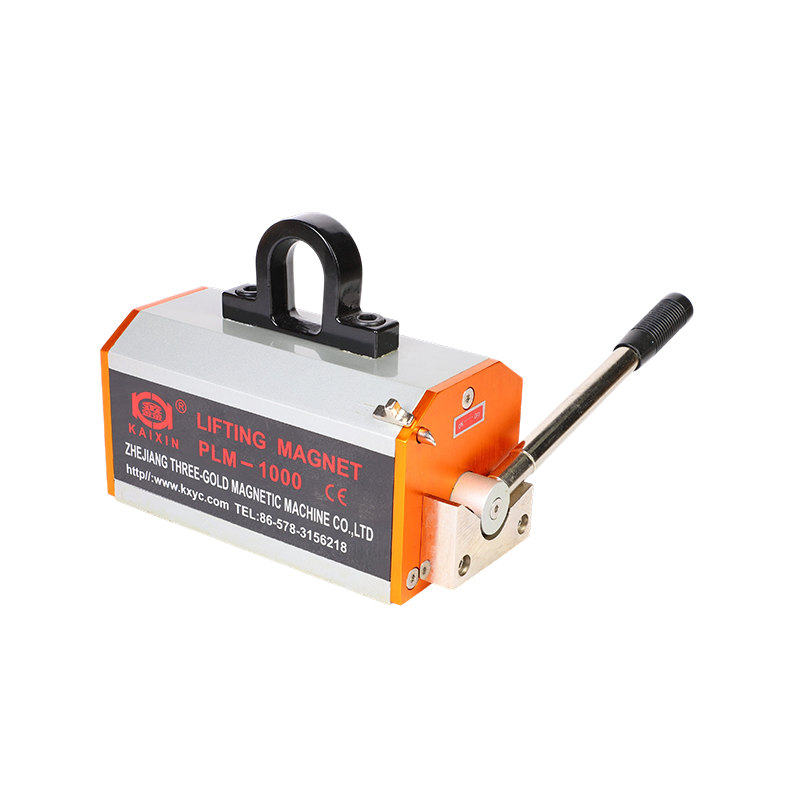
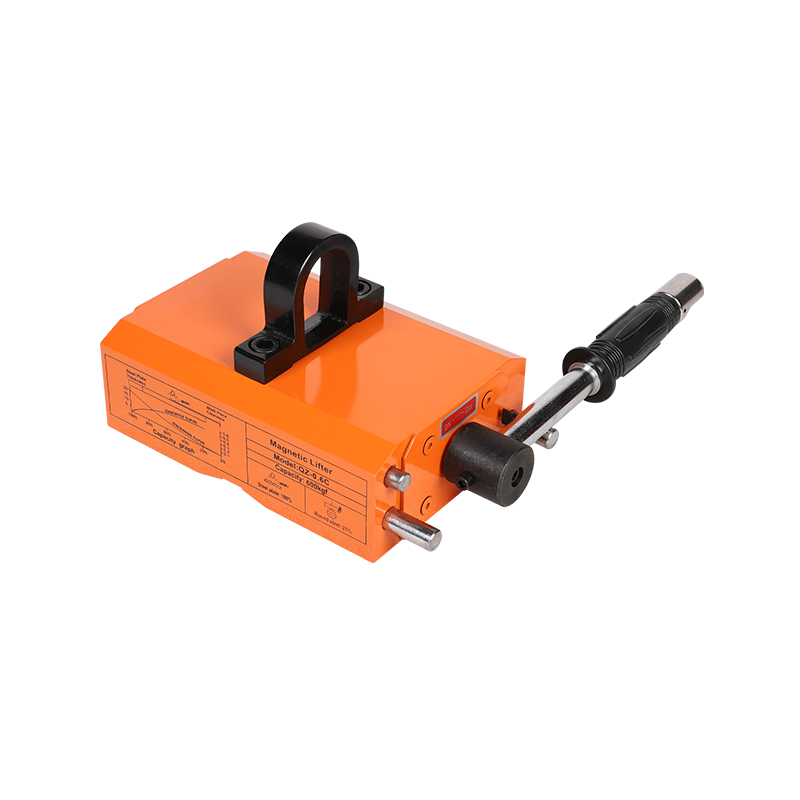
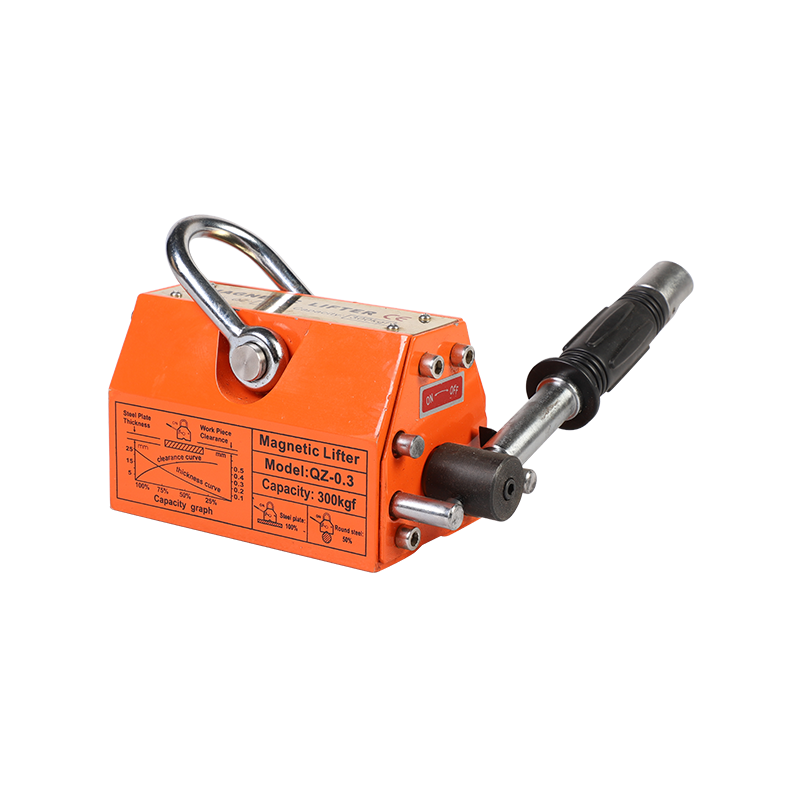
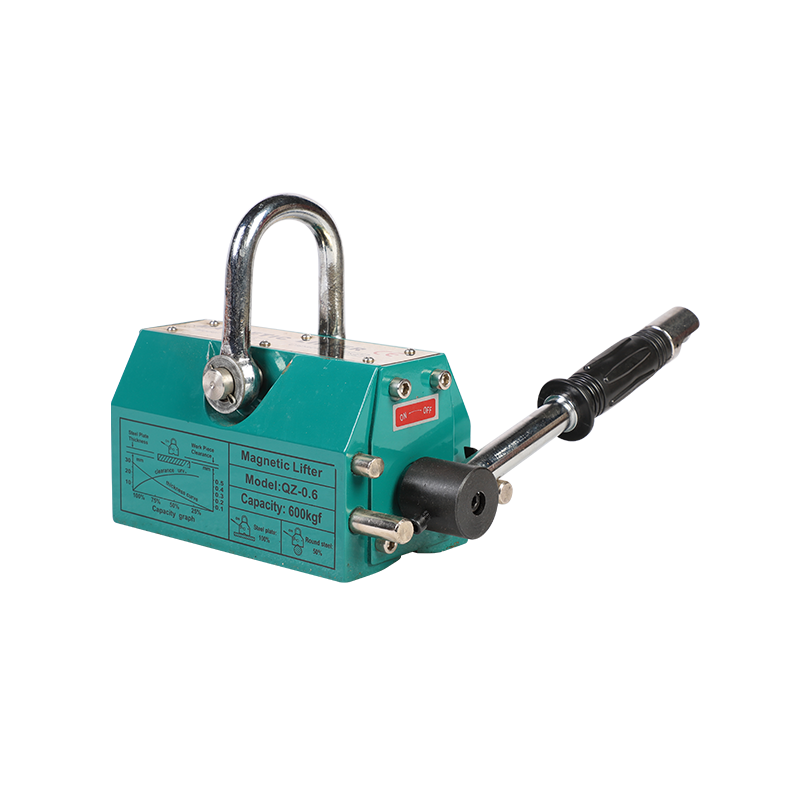
Two workers straining to reposition a heavy steel plate by hand, trying to find an edge to grip while a forklift waits nearby for the next job, are dealing with exactly the kind of bottleneck that magnetic lifting equipment was built to solve. A Permanent Magnetic Lifter Factory can support material handling by providing lifting solutions for steel sheets, metal workpieces, and other magnetic materials used in workshops, warehouses, and manufacturing areas. These products can make routine handling tasks genuinely easier when workers need to move metal materials from one position to another without wrestling the material by hand.
Material handling is often a genuinely overlooked part of industrial work, tucked between the tasks that get all the attention. Attention naturally goes to cutting, forming, welding, assembly, and finishing, since that's where the visible progress happens. Yet every material needs to genuinely reach the right place before those activities can even begin in the first place.
Heavy or awkward metal workpieces can make this process genuinely more difficult than it looks from the outside. Workers may need to reposition sheets, move prepared parts, or transfer materials between storage and production areas several times a shift. The way these materials get handled can affect workflow, workplace organization, and daily labor arrangements more than people initially realize.
Magnetic lifting equipment provides one approach for handling suitable metal materials without a struggle. It uses magnetic attraction to hold compatible workpieces during movement, freeing workers from having to grip the material directly. This can prove genuinely useful where traditional manual handling is inconvenient or where the material shape makes ordinary gripping genuinely difficult.
The application isn't limited to one type of workplace. Steel processing shops, warehouses, fabrication areas, and manufacturing facilities can all have genuinely different reasons for considering magnetic lifting equipment as part of their daily operations.
Material handling matters in metalworking because raw materials and finished workpieces need to move genuinely safely and efficiently between different stages of production. A material may begin in storage, move toward a processing area, and later travel to another workstation or finished-goods area before the day is done.
Metal sheets are a genuinely common example worth picturing. A sheet may get stored in a designated area before being moved to cutting or forming equipment across the floor. After processing, the resulting workpiece may need to get transferred again to a different station.
Similar movement occurs with metal plates, prepared parts, and other steel products moving through a facility all day.
The challenge becomes genuinely more noticeable when the material is heavy, wide, flat, or genuinely difficult to hold by hand. The workpiece may not have a convenient edge or handle to grab, which can make ordinary handling methods genuinely less practical for the workers involved.
Magnetic lifting can offer an alternative for compatible materials in these situations. The lifting device can attach to the metal surface and provide a way to move the workpiece without requiring workers to grip the material directly with their hands.
| Material Handling SituationPotential Need | |
|---|---|
| Steel sheet storage | Moving sheets toward production areas |
| Metal plate handling | Repositioning large workpieces |
| Workshop production | Transferring parts between workstations |
| Warehouse operations | Moving compatible metal products |
| Manufacturing areas | Supporting repeated material movement |
The actual handling method still depends heavily on the material, workplace layout, lifting equipment, and operating procedure in place.
Magnetic equipment shouldn't get viewed as a replacement for every handling method out there. It's genuinely more useful when its characteristics match the material and the task at hand.
Magnetic lifters can assist with steel sheet handling by providing a lifting point on suitable metal surfaces without requiring workers to hold the sheet directly with their hands. This can prove particularly useful when sheets are wide or genuinely difficult to grip safely.
Steel sheets are often stored in stacks or placed on work surfaces before processing begins. Moving them manually can require genuinely careful coordination, because the material may be genuinely difficult to control once it starts shifting.
A magnetic lifter can provide a genuinely different handling approach for this problem. Once properly positioned on a compatible surface, it can get used as part of the lifting process from storage straight to the work area.
This can help simplify movement between storage locations and nearby work areas considerably. It may also reduce the need for workers to place their hands close to sheet edges during genuinely routine handling, cutting down on a common source of minor injuries.
Sheet metal handling isn't limited to storage alone. Production areas may require sheets to get moved toward cutting, forming, or assembly operations throughout a shift.
The workplace layout can influence how genuinely useful magnetic lifting equipment becomes in practice. A well-organized material flow can make it genuinely easier to position lifting equipment and move materials between designated areas without bottlenecks.
The condition of the sheet should also get considered before relying on magnetic lifting. Surface condition, shape, and contact with the lifting device can affect whether a particular application is genuinely appropriate for that material.
Workers should follow the manufacturer's instructions and the site's established lifting procedures when using this type of equipment on the floor.
Permanent magnetic lifters can prove useful in workshops where steel and other magnetic workpieces need to move between storage, preparation, and production areas throughout the day. Their application can vary considerably depending on the type of work performed in that particular workshop.
A metal fabrication workshop may handle sheets and plates all day long. A machining area may need to move prepared workpieces between stations regularly. A maintenance workshop may only occasionally handle large metal components that show up unpredictably.
These settings have genuinely different workflows, but they share one common need: materials must get positioned before work can actually continue.
A magnetic lifting device can become part of that workflow when the material is genuinely compatible with magnetic handling techniques.
The physical arrangement of the workshop matters here as well. Equipment, workbenches, storage racks, and transportation paths should leave genuinely enough room for safe movement of both people and materials.
A lifting solution should fit into this existing arrangement, rather than create additional obstacles that get in everyone's way.
The frequency of use can also influence the decision considerably. A workshop that handles steel materials regularly may have genuinely different needs from one that only moves large metal parts occasionally, once a month or less.
This is where discussions with a Permanent Magnetic Lifter Factory can become genuinely useful for the buyer. The supplier can understand the intended material and handling situation before recommending a suitable product configuration for that specific workshop.
Warehouses can genuinely benefit from magnetic material handling when stored steel products need to get transferred, organized, or prepared for delivery or production. Storage areas often contain genuinely large quantities of metal materials, and moving them can become a genuinely regular part of daily operations for the staff.
Steel sheets, plates, bars, and other magnetic products may get stored in different sections of a warehouse spread across a large floor.
The movement from storage to production can involve genuinely repeated lifting tasks throughout a working day. A suitable magnetic lifting solution can become part of this material flow, cutting down on manual strain.
Warehouse organization also affects how the equipment actually gets used day to day. Clear pathways, defined storage locations, and suitable lifting procedures can make material movement genuinely easier to manage for the whole team.
A warehouse may also need to separate incoming materials from processed products sitting nearby. Magnetic lifting equipment can potentially support both types of movement when the materials and conditions are genuinely appropriate for that use.
The environment should get reviewed genuinely carefully before committing to equipment. Dust, moisture, surface contamination, and storage conditions can influence how equipment performs once it's actually in use.
Training is also genuinely important for the staff operating this equipment. Workers should understand what materials are compatible with the lifting equipment and how to inspect the equipment before every use.
The purpose isn't simply adding another tool to the warehouse floor for its own sake. The goal is integrating the tool into a genuinely clear material-handling process that the whole team understands.
Magnetic handling can fit manufacturing environments when metal workpieces need to move genuinely repeatedly between production stages throughout a shift. Manufacturing operations often involve a genuinely continuous flow of materials, and small handling delays can affect how smoothly different work areas connect to each other.
A workpiece may leave one operation and immediately need to reach another workstation across the floor. In larger facilities, these movements may occur across genuinely different sections of the production floor spread over a large area.
Magnetic lifting equipment can support suitable metal materials during these transfers between stations.
The application can also vary according to product type being handled. A facility producing large metal structures may handle broad sheets or plates daily, while another facility may work with genuinely smaller components that need different handling entirely.
This means the handling method should get selected around the actual material in front of the team, not a generic assumption.
Manufacturing managers can consider several genuinely practical questions before deciding.
These questions help place material handling within the genuinely wider production process it's part of.
A lifting device is genuinely more useful when it supports an existing workflow, instead of requiring the entire production area to get reorganized around it from scratch.
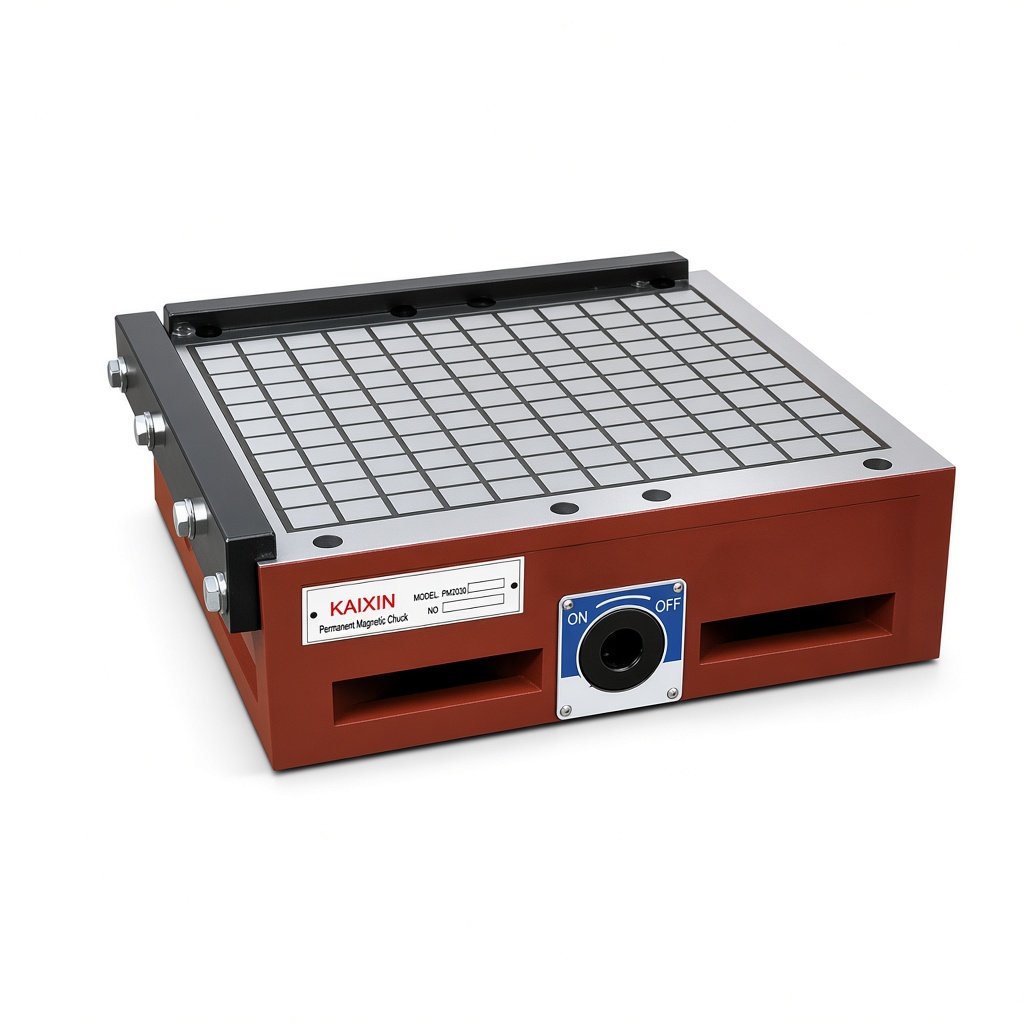
A Permanent Chuck uses magnetic attraction to hold compatible metal materials, but its practical role can genuinely differ from portable lifting equipment used for moving workpieces around a facility. The distinction becomes genuinely clearer when the equipment gets considered according to where and how it's actually used.
A Permanent Chuck may be associated with holding or positioning a metal workpiece during processing at a station. A magnetic lifter, by comparison, is intended to support lifting and movement between locations entirely.
This difference matters because material handling and workpiece holding are genuinely not identical tasks, even though both rely on magnetism.
A workshop may genuinely need both types of equipment working together. A workpiece can get moved from storage using lifting equipment and then positioned on a workstation using another holding solution entirely.
| Equipment RoleTypical Handling Purpose | |
|---|---|
| Magnetic lifting equipment | Moving suitable metal materials |
| Permanent Chuck | Holding or positioning workpieces |
| Manual handling tools | Supporting smaller or accessible materials |
| Mechanical lifting equipment | Moving materials through broader handling tasks |
The choice depends genuinely on what the worker needs to accomplish in that specific moment.
If the main task is transferring a steel sheet from one location to another across the floor, lifting equipment may be genuinely more relevant to the job. If the task involves keeping a workpiece in position during processing at a machine, a holding solution may be genuinely more appropriate instead.
Understanding this distinction can prevent buyers from selecting equipment based only on the word magnetic printed on a spec sheet.
Buyers should consider the material, surface condition, handling environment, workflow, and maintenance requirements before choosing magnetic lifting equipment for their facility. These factors help determine whether the product genuinely fits the intended application, rather than just looking capable on paper.
The material should get identified genuinely clearly from the start. Magnetic lifting equipment is intended for compatible materials, so buyers need to confirm that the workpieces can genuinely get handled this way before purchasing.
Surface condition is also genuinely relevant to the decision. Paint, dirt, moisture, uneven surfaces, or other conditions can affect contact between the lifting device and the workpiece in ways that matter.
The shape of the material matters here as well. Flat sheets and irregularly shaped workpieces may create genuinely different handling situations that call for different equipment.
The workplace environment should get reviewed carefully too. A workshop, warehouse, and outdoor storage area can expose equipment to genuinely different conditions over time.
Maintenance access shouldn't get overlooked in the planning. Workers need to be able to inspect the equipment before use and identify visible signs of wear or damage before it becomes a safety issue.
A practical selection checklist can include several points worth walking through.
A supplier can use this information to genuinely better understand the intended application before recommending anything.
This is particularly useful for industrial buyers who need equipment for genuinely repeated handling, rather than occasional individual use once in a while.
A Permanent Magnetic Lifter Factory can support different material-handling applications by developing products around varying workpiece shapes, handling situations, and production requirements specific to each buyer. Manufacturing support isn't limited to simply supplying a lifting device off a shelf.
Industrial buyers may have genuinely different requirements depending on whether they work with steel sheets, plates, prepared components, or other magnetic materials in their daily operations.
A supplier may need to understand the material flow before recommending a product that actually fits.
For a workshop, the focus may be on genuinely repeated movement between workstations throughout a shift. For a warehouse, storage and loading arrangements may receive genuinely more attention in the discussion. For a manufacturing facility, the equipment may need to fit into an genuinely established production flow already running.
Communication is therefore a genuinely important part of supplier selection for buyers to prioritize.
A manufacturer can also provide information about product inspection, operating instructions, maintenance practices, and suitable applications for the buyer's specific situation.
These details help users understand how the equipment should genuinely get integrated into their workplace without disrupting existing routines.
The relationship between manufacturer and buyer can become particularly important when a company is introducing magnetic lifting into an genuinely existing material-handling process for the first time.
The goal is identifying a product that genuinely matches the actual job, rather than selecting equipment simply because it's designed for magnetic materials in general.
A Permanent Magnetic Chuck Manufacturer can support metalworking operations by providing magnetic workholding products that complement genuinely broader material-handling processes already in place. Although workholding and lifting have genuinely different purposes, both can appear within the same production environment side by side.
A metalwork facility may need to move a steel component from storage to a processing area first. Once it arrives, the workpiece may need to remain in position during an operation that follows.
This creates two genuinely separate handling stages worth distinguishing.
The first involves movement across the floor. The second involves positioning or holding steady during work.
Understanding this workflow can help manufacturers and buyers consider how different magnetic products genuinely fit together in the same facility.
Supplier communication can also help clarify whether a buyer needs lifting equipment, holding equipment, or a genuine combination of both solutions working together.
This is especially relevant for workshops where material movement and processing take place in genuinely close proximity to each other on the same floor.
The surrounding production process should remain the genuine focus throughout the decision.
Magnetic equipment isn't a universal solution for every material or handling situation out there. It becomes genuinely useful when the material, work environment, lifting task, and operating procedure are all genuinely compatible with each other.
For steel processing, sheet metal handling, warehouses, workshops, and manufacturing environments, that application-based approach gives buyers a genuinely clearer way to assess where magnetic lifting can support everyday material movement across their operation.



PRODUCTS

CONTACT US
Copyright @Zhejiang Three-gold Magnetic Machine Co., Ltd. All rights reserved
Magnetic Lifting Tools Manufacturers


 English
 中文简体
中文简体
 русский
 عربى
عربى