Manufacturing lines keep getting more connected, more flexible, and more focused on keeping material moving without hiccups. A workpiece might pass through several stations before it ever becomes part of a finished product, and between each of those steps, the material has to be positioned, held, moved, and released without piling up unnecessary delays along the way.
This is where clamping and handling equipment starts to matter more than people outside the plant floor might expect. Industrial Vacuum Cups and magnetic clamping systems handle workpieces in genuinely different ways during production.
One relies on controlled suction to grip suitable surfaces, while the other uses magnetic force to hold compatible metal parts in place. Their roles can overlap somewhere on an automated line, but the two approaches aren't interchangeable in practice.
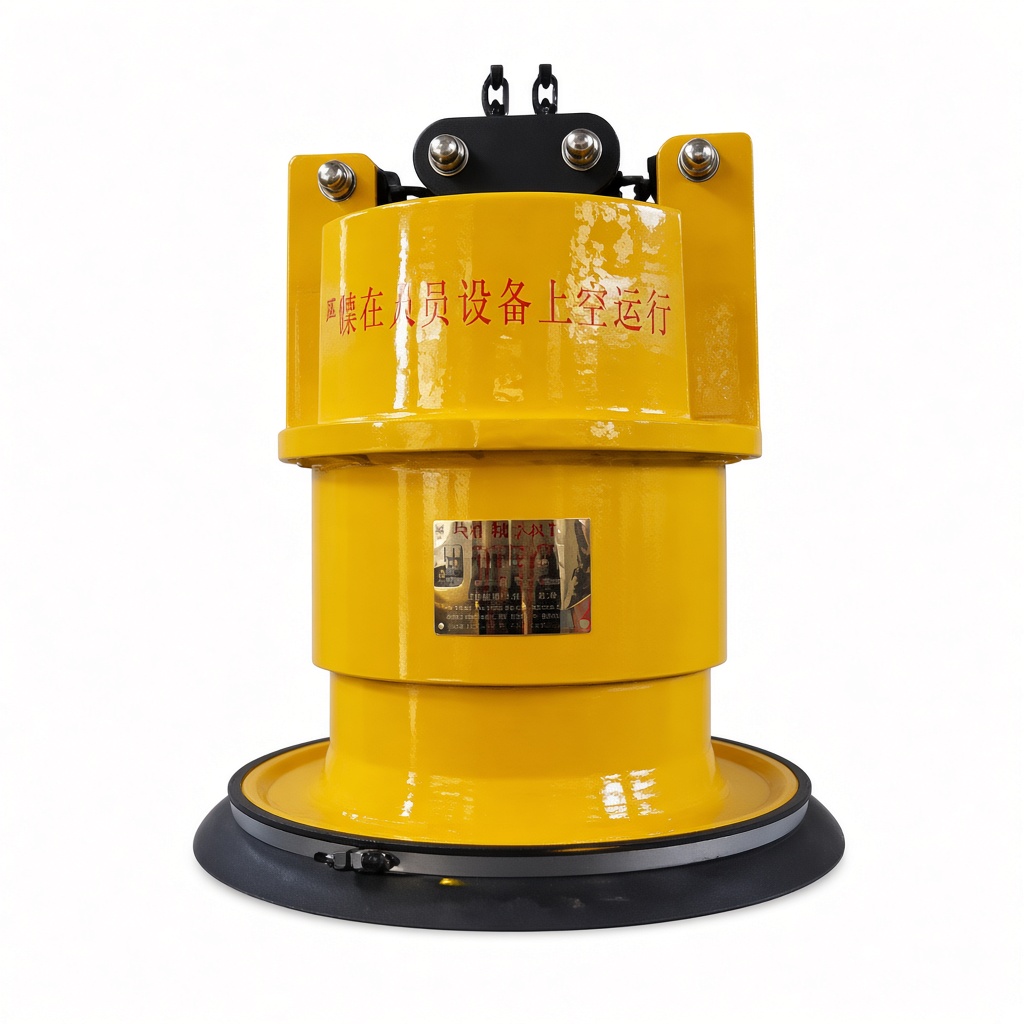
Which one makes sense often comes down to the workpiece material, the surface condition, the handling method already in use, the production layout, and how often parts need swapping. Modern manufacturing rarely calls for one clamping method to cover every single station on the line.
A production line might use vacuum handling for loading and unloading while magnetic equipment takes over holding metal workpieces during machining or processing. This kind of combination lets manufacturers build a system around how material actually moves through the plant, rather than forcing every task through the same handling method regardless of fit.
Automation changes how materials travel through a factory floor. In a manual process, an operator positions a workpiece by hand, holds it steady, finishes an operation, and removes it before moving to the next one.
An automated line needs those same actions coordinated with everything else happening around it, which means a holding system has to fit into a much wider workflow than a single station.
| Production Activity | Clamping or Handling Role |
|---|---|
| Material loading | Move workpieces into position |
| Workpiece positioning | Keep parts correctly placed |
| Machining | Hold suitable metal parts securely |
| Transfer between stations | Support controlled movement |
| Unloading | Release finished parts for the next stage |
A well-matched system cuts down on unnecessary manual handling, though that doesn't mean every operation needs to be fully automated from end to end. Plenty of production environments blend automated movement with an operator stepping in for inspection or a manual adjustment here and there.
The equipment needs to fit that working style rather than fight against it. A handling arm equipped with Vacuum Suction Cup Lifters can pick up suitable sheet materials and carry them between stations, while a magnetic chuck holds a compatible metal component steady during a later processing step.
The two systems handle different moments within the same production flow rather than competing for the same job. That distinction turns out to be useful when planning out a manufacturing line meant to stay flexible as orders change.
Vacuum handling works well when a workpiece can be gripped securely through suction alone. The method fits flat or fairly smooth surfaces particularly well, since those surfaces let the cup form a proper seal against the material.
Industrial Vacuum Cups get integrated with handling equipment, robotic arms, or lifting devices depending on whatever task the line requires that day. Their real value comes from letting a machine grip and move a workpiece without needing mechanical fingers clamping around its edges.
| Handling Situation | Potential Vacuum Cup Role |
|---|---|
| Sheet material transfer | Grip the surface during movement |
| Automated loading | Move material toward a processing station |
| Unloading | Lift finished pieces from a work area |
| Stacking | Position items into an organized stack |
| Repetitive handling | Support repeated pickup and release |
The design of the workpiece still shapes whether this actually works well or not. Rough surfaces, porous materials, uneven shapes, or a bit of contamination can all throw off how effectively suction grips the part.
Manufacturers need to look at the actual material going through the line rather than assuming every surface will cooperate with vacuum gripping equally. Cup arrangement also changes how a load behaves once it's airborne.
A larger workpiece often needs several contact points spread out so it stays balanced during movement, while smaller pieces can get by with a simpler arrangement. That adaptability is a real strength of vacuum handling, but the equipment still needs picking based on the actual workpiece and the movement pattern it has to follow.
Vacuum Suction Cup Lifters matter most when materials need moving from one point to another rather than being held still for a stationary process. They show up as part of automated loading and unloading systems, shuttling materials between storage, processing, inspection, and packaging areas without much manual involvement.
The lifter effectively becomes a bridge connecting different parts of the production line together. Picture a sheet of material arriving in a storage area on a pallet.
A handling system can pick it up, carry it toward a processing station, position it for the next operation, and later move the finished piece somewhere else entirely, all without an operator manually carrying each item across the floor.
| Line Position | Handling Requirement |
|---|---|
| Storage area | Pick material from an organized location |
| Loading station | Move material into processing equipment |
| Processing area | Position material for the next operation |
| Inspection area | Transfer parts for checking |
| Finished goods area | Move completed items to storage or packaging |
An arrangement built this way tends to make the production path easier to organize on paper and on the floor alike. It also cuts down on unnecessary walking and manual lifting wherever automation genuinely fits the task at hand.
The vacuum equipment doesn't have to operate in isolation, either. Sensors, robotic arms, conveyors, and control systems all get arranged around the lifting task itself, and the result ends up being a more connected movement process where each station has a defined job to do.
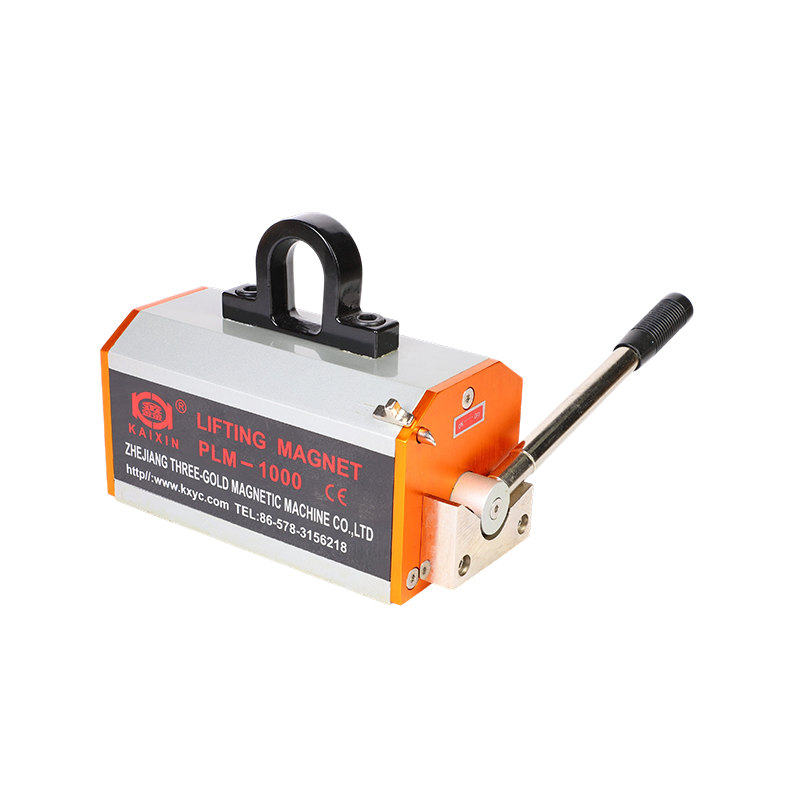
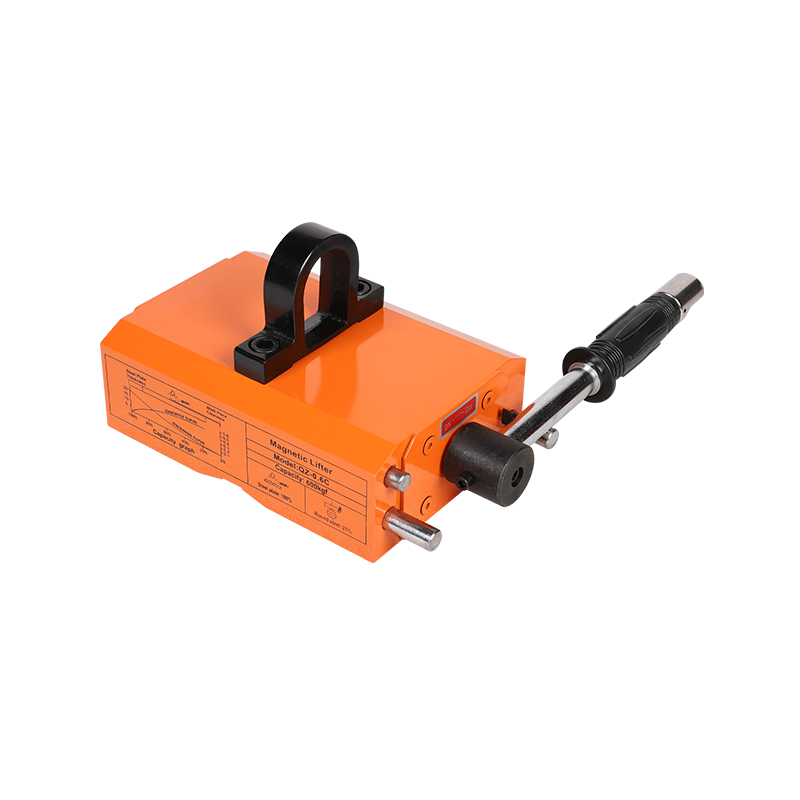
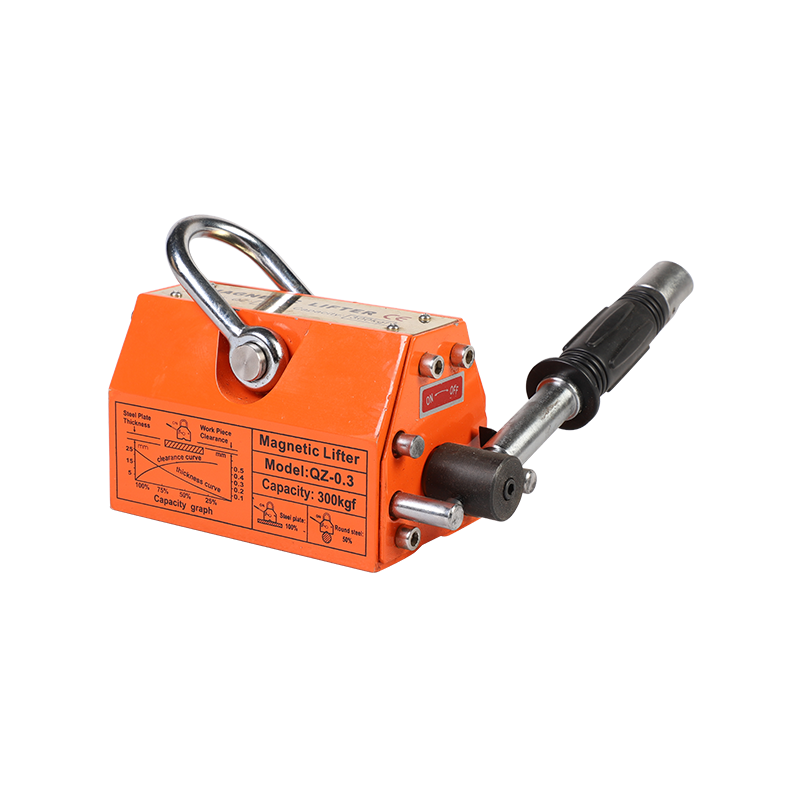
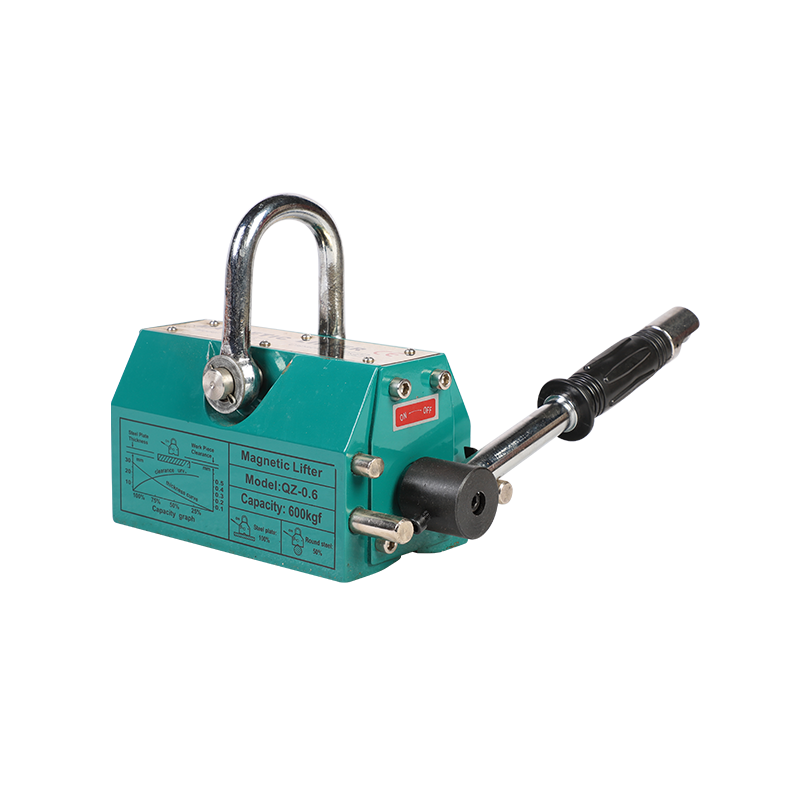
Magnetic clamping serves a fairly different purpose from vacuum lifting. Permanent Chucks hold compatible ferromagnetic workpieces steady during machining or other stationary operations rather than moving them around.
Instead of lifting a workpiece through suction, the chuck creates a magnetic holding surface that keeps the part locked in position while something else happens to it. This matters when the workpiece needs to stay completely stable while another machine performs a cut, grind, or similar operation nearby.
| Application | Magnetic Chuck Role |
|---|---|
| Metal machining | Hold suitable workpieces during processing |
| Surface preparation | Keep parts positioned for controlled work |
| Grinding operations | Support stable workpiece placement |
| Repetitive production | Provide a repeatable holding method |
| Flexible machining | Allow different compatible parts to be positioned |
The shape of the workpiece still plays a role in how well this works. A part needs decent contact with the magnetic surface, and the material has to respond appropriately to magnetic holding in the first place, since not every metal behaves the same way.
The clamping arrangement should also line up with whatever production task is actually happening at that station. For an automated line, this setup works well because a handling system can deliver the workpiece to the chuck and release it once processing wraps up, creating a natural handoff between material movement and stationary clamping.
Electro-Permanent Magnetic Chucks bring another layer of flexibility into magnetic workholding compared to a standard Permanent Chuck. They're built around controlled magnetic activation and release, which fits production environments where workpieces need clamping and unclamping repeatedly as part of a running process.
That characteristic lines up well with automated machining workflows in particular. A handling system brings a metal workpiece into position, the chuck holds it steady during processing, and once the operation finishes, the workpiece gets released so another system can carry it to the next station.
The whole process can be broken down into a set of clearly defined actions.
Coordination organized this way cuts down on the need for someone to step in manually at each stage of the process. It also helps production planners treat workholding as a real part of the automated sequence instead of a separate accessory bolted onto the side.
How well this actually works still depends on the material, the workpiece shape, the machine arrangement, and whatever the production process specifically calls for.
There's no real need to treat vacuum and magnetic systems as if they're competing for the same job on a factory floor. They handle different responsibilities within the same manufacturing environment without stepping on each other's toes.
Vacuum equipment tends to shine when moving suitable materials from point to point, while magnetic chucks hold compatible metal workpieces steady during machining. That split creates a fairly clean division of labor across the line.
| Equipment | Typical Role |
|---|---|
| Industrial Vacuum Cups | Surface gripping and material transfer |
| Vacuum Suction Cup Lifters | Automated lifting and loading |
| Permanent Chucks | Magnetic workholding |
| Electro-Permanent Magnetic Chucks | Controlled magnetic clamping |
| Conveyor systems | Movement between stations |
Picture a manufacturing line processing metal sheets from start to finish. Vacuum lifting equipment moves sheets from storage over to the processing station, and once a suitable workpiece reaches the machining area, a magnetic chuck takes over holding it during the operation itself.
After processing wraps up, the vacuum handling system carries the finished part away to wherever it needs to go next. The two systems end up connected through the sequence of production rather than through any overlap in what they actually do.
This approach also helps manufacturers avoid piling tasks onto equipment that was never designed to handle them. A vacuum cup doesn't need to take over machining duties from a chuck.
A magnetic chuck doesn't need to start lifting material across the shop floor either. Each piece of equipment stays focused on the part of the process where it naturally belongs.
Flexible manufacturing revolves around handling shifting production needs without everything falling apart when an order changes. A factory might process different workpiece shapes on the same line, switch between product types week to week, or reorganize stations as new orders come in.
That reality puts real pressure on equipment to adapt without turning every change into a major undertaking. Clamping equipment plays its own part in supporting that kind of flexibility.
A production line handling several compatible metal workpieces might lean on Permanent Chucks wherever stable magnetic holding matters most. Another station on the same line might use vacuum handling simply because the material there needs moving rather than machining.
The overall layout gets organized around the movement and processing needs of each individual stage rather than a single blanket approach.
| Flexible Manufacturing Need | Equipment Consideration |
|---|---|
| Different workpieces | Choose suitable contact methods |
| Frequent loading | Consider repeatable handling |
| Product changes | Allow practical repositioning |
| Automated transfer | Coordinate lifting with machine cycles |
| Mixed production | Assign equipment according to task |
Flexibility also comes down to how easy equipment is to maintain over time. Equipment needs to stay accessible for inspection and cleaning without forcing a full rearrangement of the production line every time something needs a look.
A practical system accounts for what happens between production runs, not just what happens while the line is actively running. That kind of planning tends to make equipment changes easier to manage whenever the manufacturing schedule shifts around.
The workpiece itself should stay at the center of the whole planning process, not the equipment catalog. Material, surface condition, shape, weight distribution, handling direction, and processing requirements all factor into which equipment actually makes sense.
A practical planning process tends to work through a handful of questions along the way.
If the main task involves transferring sheets or suitable surface materials from one point to another, vacuum handling probably fits.
If a compatible metal workpiece has to stay completely stable during machining, magnetic workholding is likely the better match.
Frequent loading and unloading tends to benefit from a clearly organized automated sequence rather than ad hoc handling each time.
A clamping device should fit naturally into the existing movement path instead of creating an extra manual step somewhere along the line.
Flexible production often calls for equipment that can accommodate different shapes or handling arrangements without a full rebuild.
Questions like these keep manufacturers from picking equipment based purely on how an individual component looks in a catalog photo. The real goal is understanding how a given clamping or lifting method fits into the complete production process around it.
A manufacturing line works as a sequence of connected actions, not a collection of isolated stations. When vacuum cups, magnetic chucks, handling systems, conveyors, and processing equipment all get planned together, material movement becomes a lot more predictable and easier to manage on a daily basis.
This approach also leaves room for future process changes without forcing every single station to perform the exact same task. For suitable applications, Industrial Vacuum Cups support automated loading and unloading, while Electro-Permanent Magnetic Chucks and Permanent Chucks provide controlled workholding during processing.
Pairing Vacuum Suction Cup Lifters with magnetic clamping forms a practical link between material handling and machining across manufacturing environments built to stay flexible as needs change.



PRODUCTS

CONTACT US
Copyright @Zhejiang Three-gold Magnetic Machine Co., Ltd. All rights reserved
Magnetic Lifting Tools Manufacturers


 English
 中文简体
中文简体
 русский
 عربى
عربى