Manufacturing operations are placing greater attention on how materials move between workstations, since lifting and transferring materials can affect production flow, worker workload, equipment coordination, and the use of available floor space. Traditional handling often depends on workers moving sheets, panels, glass, containers, or other flat materials from one location to another by hand, while automated systems can take over repeated movements when the production environment is suitable for it.
The change isn't simply about replacing manual work with machines, since automated lifting can also help create a more organized connection between storage areas, processing equipment, inspection stations, and finished product zones scattered across the floor. A vacuum suction lifting system provides one way to connect material handling with automated equipment, since it can hold a suitable surface and move the material without requiring conventional mechanical gripping around the entire workpiece.
This approach becomes particularly interesting when materials are large, smooth, flat, delicate, or difficult to handle with ordinary gripping methods a worker might otherwise use. The lifting device can become part of a larger automated process that includes robots, transfer equipment, loading stations, unloading stations, sensors, and production control systems working together.
The result is a shift in how manufacturers view lifting equipment, since the focus moves from a single lifting action toward the complete movement of material through the production environment as a whole.
A Vacuum Suction Cup Lifter uses suction to create contact between the lifting surface and a suitable workpiece, allowing the equipment to hold the material while it gets moved by a lifting machine or robotic system nearby. The suction cups contact the selected surface, while the lifting system provides the movement needed to raise, transfer, position, or release the workpiece from one point to the next.
The process can get organized into several simple stages worth walking through.
This sequence can repeat as part of a production cycle when the material and operating environment are suitable for vacuum handling on that particular line. The main advantage of this arrangement is the way the lifting device can interact with automation equipment, rather than operating as an isolated manual tool sitting off to the side.
A robotic arm, overhead handling system, or other automated machine can provide the movement, while the suction device provides the connection with the workpiece itself. This division of tasks allows manufacturers to design handling systems around the shape and surface of the material, instead of relying on one fixed gripping method for every job.
Material condition remains genuinely important here, since suction depends on the relationship between the lifting surface and the workpiece surface underneath it. Smooth and suitable surfaces can provide a practical contact area, while rough, uneven, porous, or heavily contaminated surfaces may require a different handling approach altogether.
For this reason, automated lifting design should begin with the actual material being handled, rather than with the lifting device alone sitting on a spec sheet.
Robotic handling is one of the applications where vacuum lifting can become part of a wider automated workflow, since robots can repeat programmed movements while the lifting attachment manages contact with the workpiece on each pass. Sheet materials are a common example, since a robot may need to move them from a storage position to a processing machine without placing a conventional clamp around the material's edge.
The lifting attachment can approach the sheet from above, establish contact, and allow the robot to move it toward the next position on the line. This can prove useful when the edges of the material need to remain unobstructed during handling, since suction works from the surface rather than requiring the robot to grip the side.
The same concept can apply to panels, boards, glass products, metal sheets, and other suitable materials moving through the plant, although each application needs assessment according to its surface and handling conditions. Robot movement also introduces the need for careful coordination, since the lifting attachment and the robotic arm must work as one handling unit rather than two separate pieces.
The robot needs to know when the workpiece is ready to move, while the lifting system needs to establish a suitable connection before movement even begins. Feedback from the handling system can help coordinate these actions and reduce the chance of the robot beginning a transfer before the workpiece is properly engaged.
Automation designers can also connect the lifting sequence with upstream and downstream equipment, so material movement occurs once the next workstation is actually ready for it. This creates a genuinely more connected production process in which lifting becomes one step within a larger material flow through the plant. The practical value of robotic vacuum handling therefore comes from integration, rather than suction alone, since the lifting device becomes part of the robot's overall operating sequence.
Loading and unloading are frequent sources of repeated movement in manufacturing, since raw materials need to reach processing equipment and finished materials need to leave it again. A vacuum lifting attachment can help automate these transitions when the workpieces have suitable surfaces and can get safely handled through suction rather than a manual grip.
For example, a robotic system may collect a sheet from a storage position and place it onto a processing table, after which another automated movement can remove the finished piece and transfer it to a designated location down the line. This arrangement can reduce the need for workers to repeat the same lifting and placement task throughout a production cycle, shift after shift.
The process can also create a genuinely clearer division between material storage and processing areas, since automated equipment can follow defined movement paths laid out ahead of time.
A typical loading and unloading workflow may include several connected stages.
| Stage | Automated Action |
|---|---|
| Material storage | Identify the available workpiece |
| Pickup | Move the lifting attachment into position |
| Engagement | Establish contact with the workpiece |
| Transfer | Move the material toward the workstation |
| Placement | Position the material for processing |
| Removal | Collect the processed material |
| Sorting | Move the material to its next location |
The exact sequence depends on the production layout at hand, but the basic principle remains the same, since each movement can get coordinated with the equipment around it. This can also help reduce unnecessary handling between machines, since one automated system may serve several connected stages at once.
When the production line changes down the road, the lifting process may also need adjustment, since workpiece shapes, storage arrangements, and machine positions can influence the movement pattern in ways not anticipated earlier. The attachment should therefore get treated as part of the loading and unloading system, rather than as a separate accessory bolted on afterward.
Sheet metal handling presents several challenges worth noting, since sheets can be broad, difficult to grip from the edges, and awkward to move manually even when their individual weight is manageable for one worker. Vacuum lifting can approach the material from the surface and provide a holding method that doesn't depend entirely on edge access the way a manual clamp would.
This can prove useful around cutting, forming, bending, inspection, and storage operations where sheets need to move between different positions throughout the shop. Automated handling can also help keep the movement path a lot more consistent, since the robot or transfer machine follows a planned route, rather than relying on manual positioning by hand each time.
The arrangement may be particularly useful when the production process involves repeated movement of similar sheet materials batch after batch. Different sheet surfaces can behave differently during suction handling, so manufacturers need to consider surface condition, cleanliness, shape, and other characteristics before choosing the lifting arrangement for that job.
Thin or flexible materials may also behave differently from rigid sheets, since the lifting force can affect how the material moves during transfer in unexpected ways. The design of the suction arrangement should therefore reflect the material at hand, rather than assuming one setup will suit every sheet metal application coming through the door.
Another consideration is placement accuracy, since the sheet may need to arrive at a defined position before the next machine can begin its task on it. When lifting, movement, and placement are coordinated properly, automated sheet handling can become a genuinely more connected part of the production process overall.
Production line integration changes the role of lifting equipment, since the device is expected to communicate with or respond to other parts of the manufacturing process around it. A standalone lifting tool performs a lifting task and nothing more, while an integrated handling system can participate in a sequence that includes machines, sensors, storage areas, and control equipment working in concert.
This can make the material flow a lot easier to organize, since each movement has a defined relationship with the next operation down the line. For example, a processing machine may signal that its working area is ready, after which the handling system collects the next workpiece and places it into position without waiting on a human cue.
Once processing is complete, another signal can allow the lifting system to remove the material and move it toward the next station in the sequence. This type of coordination can reduce unnecessary waiting, since the handling equipment is connected to the production sequence, rather than operating independently off in its own corner.
The same principle can apply to packaging, inspection, sorting, and storage operations when the materials are appropriate for vacuum handling in the first place. Integration also affects equipment planning, since the lifting attachment needs to fit the robot or transfer system, available space, material path, and control arrangement already in place on the floor.
Maintenance access should remain part of the design from the start, since automated equipment still requires inspection, cleaning, replacement, and adjustment during normal operation over time. A system that's difficult to maintain can create unnecessary disruption, even when its automated movement appears efficient during normal production runs. Production managers therefore need to consider both operating performance and practical service requirements when introducing automated lifting onto the floor.
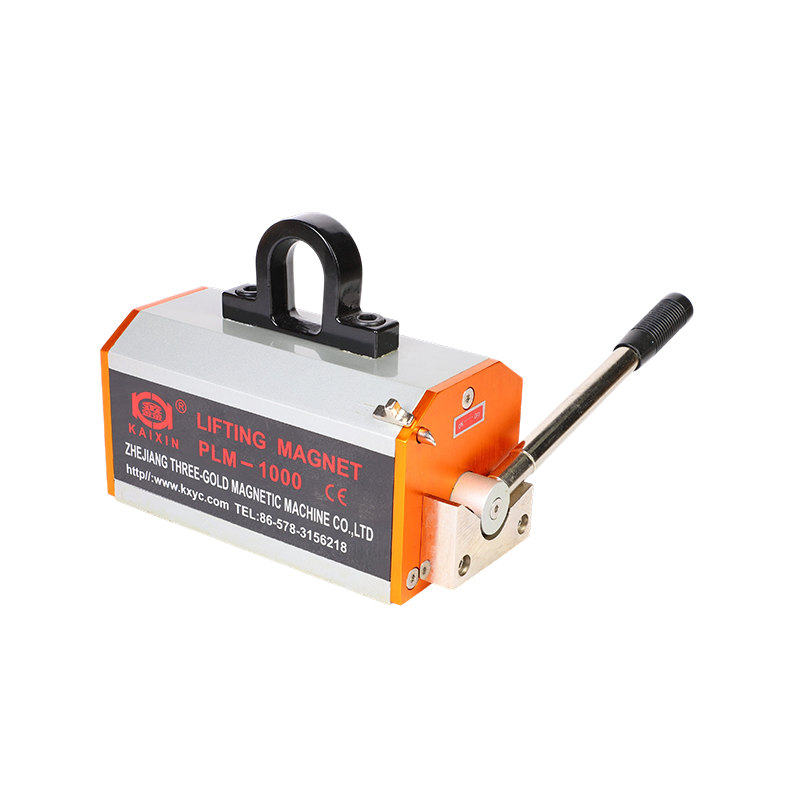
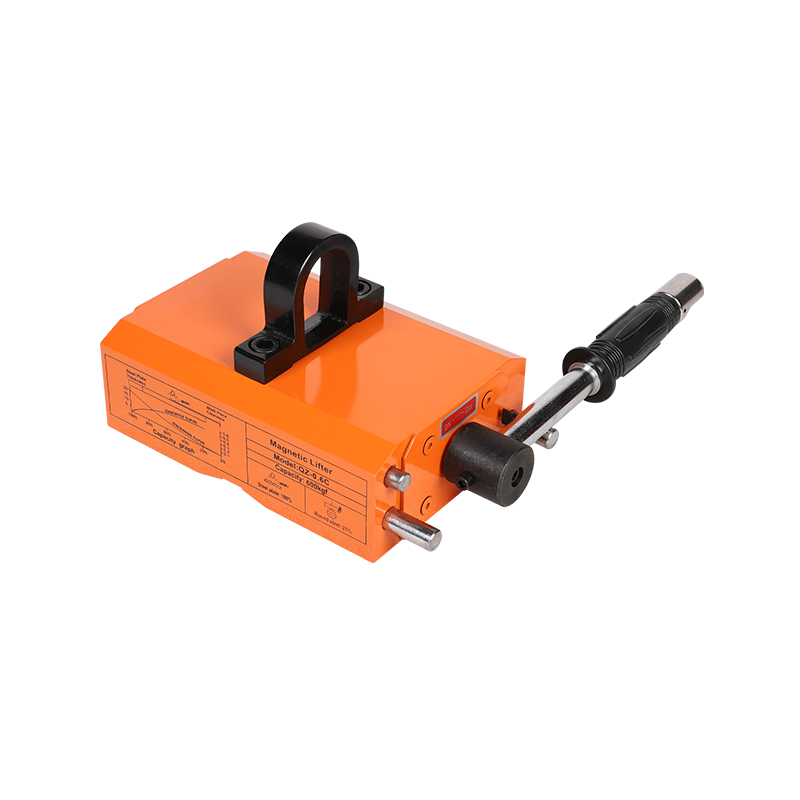
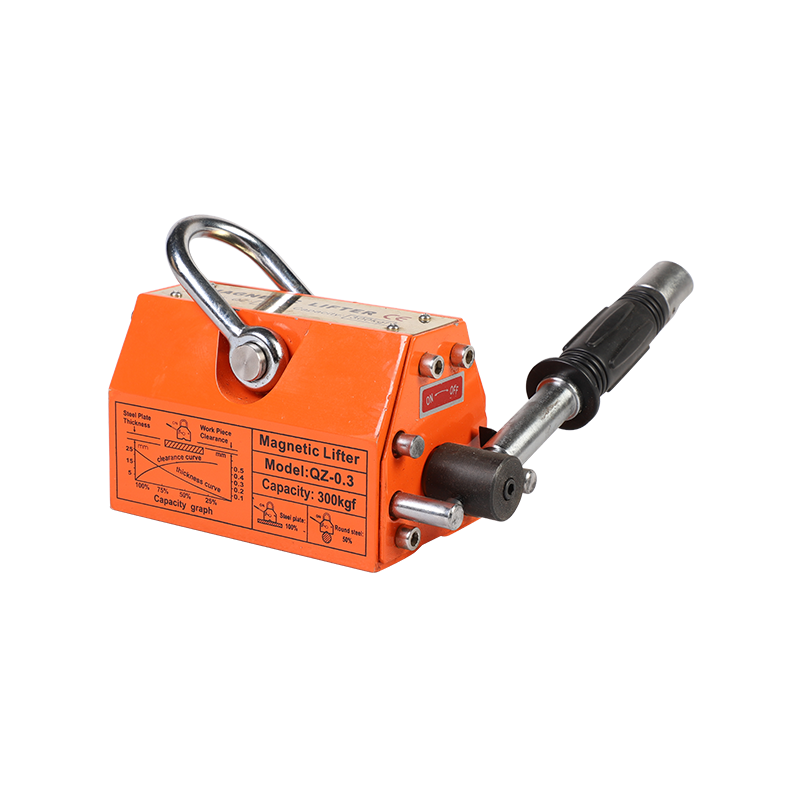
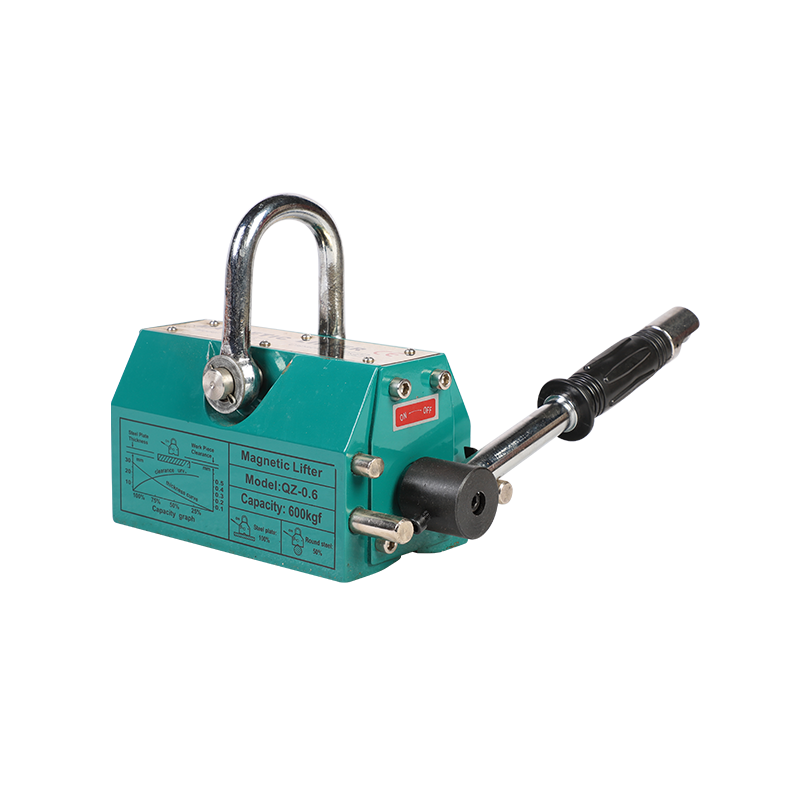
Vacuum and magnetic lifting can both support automated material handling, but their suitability depends on the material and the intended production task at hand. Magnetic lifting is naturally associated with suitable ferrous materials, while vacuum lifting can get considered for materials with surfaces that allow reliable suction contact instead.
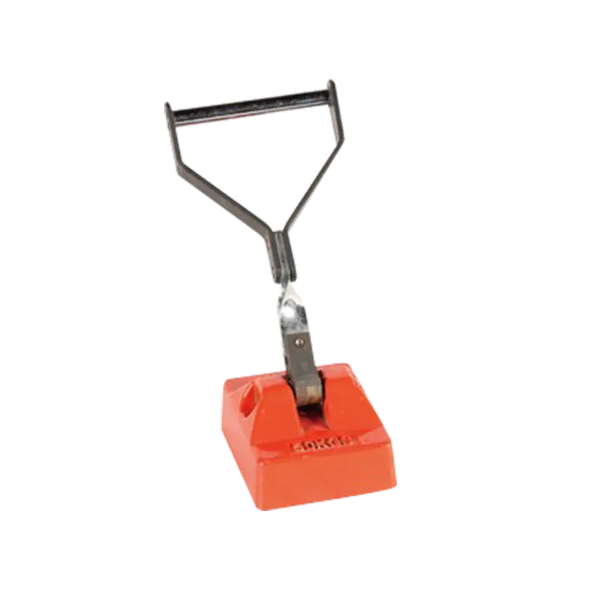
A Permanent Magnetic Lifter Factory may serve applications where magnetic handling is appropriate for the job, while vacuum equipment can provide another option when the material or surface doesn't suit magnetic contact at all. A Permanent Chuck can also prove useful in specific material handling and workholding situations, but its application shouldn't get confused with every automated lifting requirement out there.
The comparison should focus on the material, surface, movement pattern, and production environment, rather than assuming one lifting method applies to every factory across the board.
| Consideration | Vacuum Lifting | Magnetic Lifting |
|---|---|---|
| Suitable material | Materials with suitable surfaces | Suitable magnetic materials |
| Contact method | Surface suction | Magnetic attraction |
| Edge access | Usually not dependent on edge gripping | Usually not dependent on edge gripping |
| Surface condition | Important for reliable contact | Material properties are important |
| Automation | Can connect with robots and handling machines | Can also be integrated with automated equipment |
| Common interest | Sheets, panels, glass, and suitable flat materials | Suitable metal handling tasks |
This type of comparison can help purchasing teams avoid selecting equipment based only on familiarity with what's already on the floor. The lifting method should fit the actual workpiece and the way the production line needs to move it around.
Supplier discussions can also become a lot more useful when buyers provide information about the material, surface, movement route, handling frequency, and existing automation equipment already installed. Clear application information gives manufacturers a genuinely better basis for discussing suitable configurations, rather than relying on broad product claims that don't fit the actual job.
Businesses considering automated lifting can begin by mapping the current material flow and identifying where repeated manual movement occurs on the floor today. The review can focus on loading, unloading, storage transfer, machine feeding, finished product removal, and movement between production stations scattered across the plant.
The next step is identifying which materials are suitable for automated suction handling and which require another lifting method entirely. The condition of the workpiece should also get considered here, since dust, oil, surface texture, moisture, protective films, and other factors may influence how the lifting system interacts with the material on the line.
The production layout deserves equal attention in this process, since the lifting equipment needs a clear movement path between pickup and placement locations without obstruction.
A practical preparation process can include several steps worth following in order.
Testing is particularly useful here, since the actual movement of a material can differ from expectations made from drawings or product descriptions on paper. Manufacturers can observe how the workpiece responds during pickup, transfer, rotation, positioning, and release under real conditions on the floor.
This information can then get used to adjust the handling arrangement before wider production integration rolls out across the plant. The growing interest in robotic handling is also encouraging manufacturers to view lifting attachments as part of complete automation projects, rather than simple standalone tools bought off a shelf. For production teams, the practical question is increasingly about how material can move smoothly from one operation to the next, while keeping handling tasks coordinated with the machines working around them.



PRODUCTS

CONTACT US
Copyright @Zhejiang Three-gold Magnetic Machine Co., Ltd. All rights reserved
Magnetic Lifting Tools Manufacturers


 English
 中文简体
中文简体
 русский
 عربى
عربى