Metal handling is part of many industrial workflows, whether it's a small fabrication shop or a busy warehouse loading dock. Steel sheets, plates, blocks, pipes, and other metal parts often need to move between storage areas, machines, workstations, and production zones several times before they're finished. The movement may appear simple on paper, but repeated manual handling can make daily work a lot slower and less convenient than it looks from the outside.
A lifting tool can change this process by giving workers a more controlled way to move metal objects without straining a back or pinching a finger. It can also help reduce the need to place hands directly around heavy or awkward workpieces that shift unpredictably. This makes material handling an important part of overall workplace organization, not just a footnote in a safety manual. A permanent magnetic lifter is designed around a fairly simple idea at its core. Magnetic force can hold suitable metal workpieces during lifting and movement, allowing operators to transfer them without using traditional gripping methods like slings or clamps.

The role of a Permanent Magnetic Lifter Factory goes beyond producing the lifting device itself and shipping it out the door. Manufacturers also need to consider how the product fits into real working environments, including workshops, warehouses, fabrication areas, and production lines running at different paces. Modern buyers often look for equipment that's easy to understand and practical to use on a busy floor. They may also want a product that fits different handling tasks, rather than serving only one narrow application that gets used once a month. This has encouraged greater attention to product structure, operator interaction, handling routines, and compatibility with different metal workpieces across a shop. The lifting device becomes part of a larger workflow, rather than an isolated piece of equipment sitting in a corner.
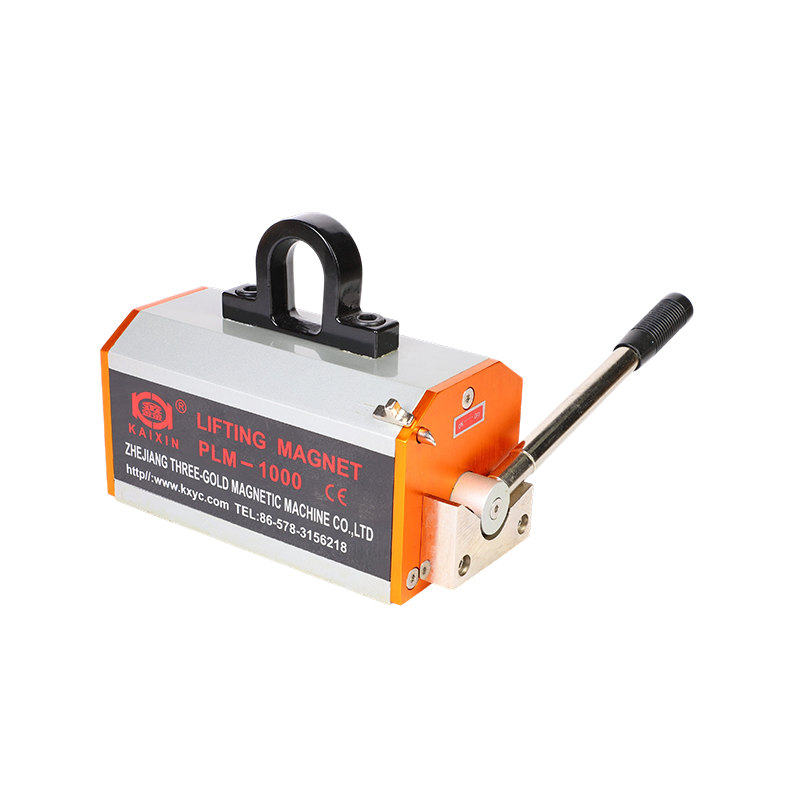
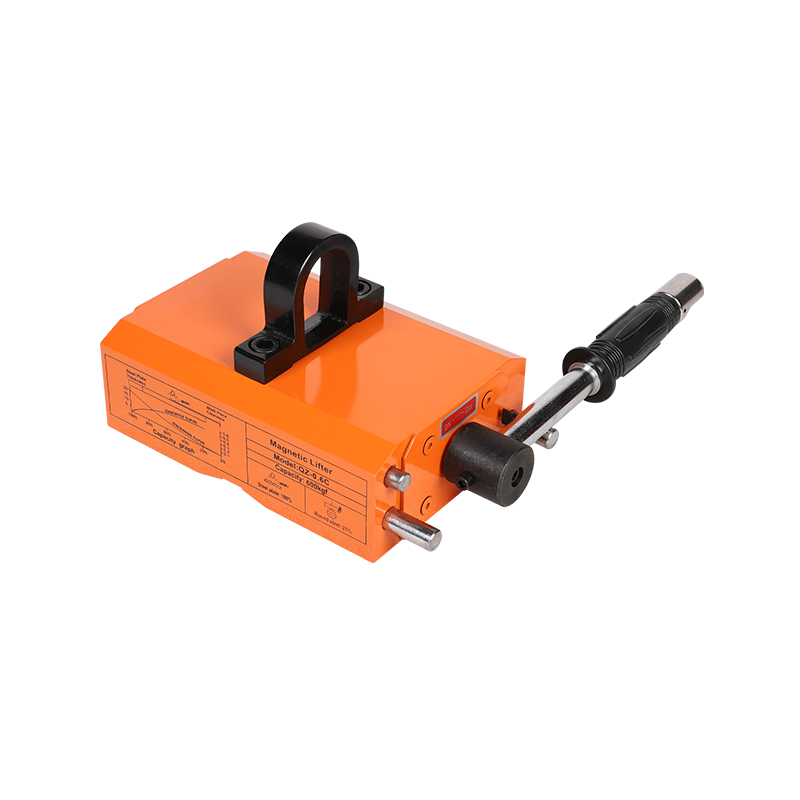
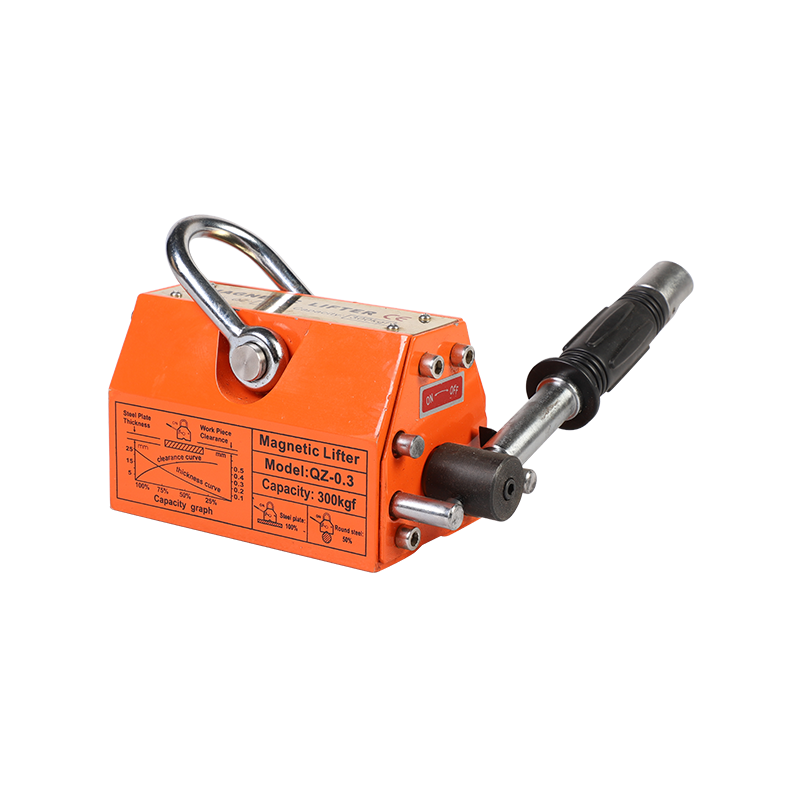
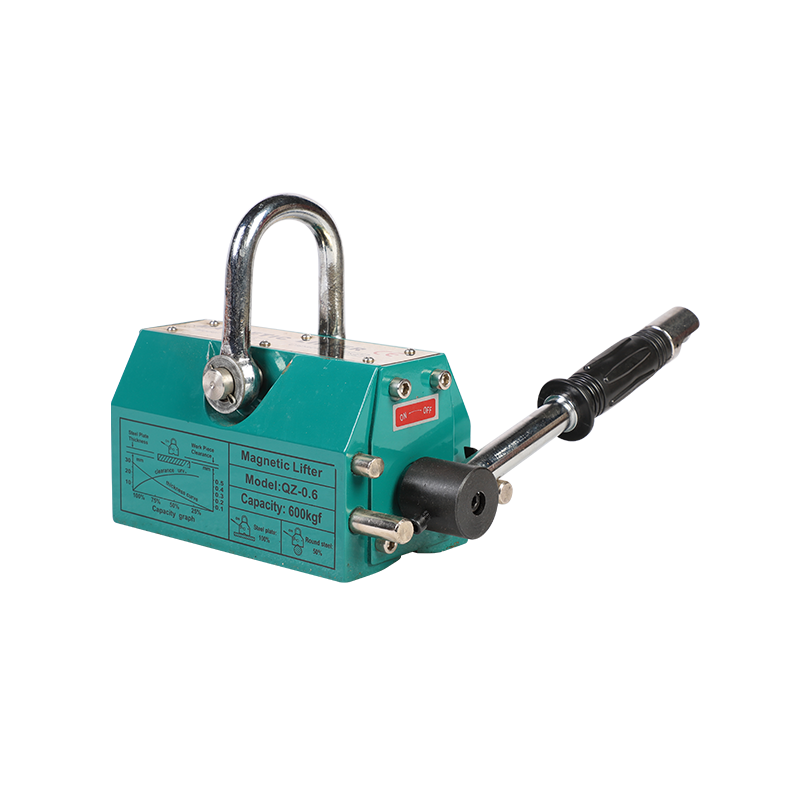
A permanent magnetic lifter uses magnetic force to hold suitable ferrous metal surfaces securely enough to move them. The operator places the lifter on the workpiece, activates the lifting function, and then moves the load with the appropriate handling equipment, whether that's a crane or a simple hoist.
The basic process is straightforward, which can make the device genuinely useful in busy work areas where time matters. Workers don't need to create a complicated connection between the lifter and the metal surface before every lift. The tool gets placed directly onto a suitable area of the workpiece, and that's most of the setup right there. This can be helpful when moving metal sheets or parts between different locations across a shop floor. Instead of repeatedly arranging slings or other attachment methods that take a few minutes each time, workers can use a lifting tool designed specifically around magnetic contact.
The condition of the contact surface remains important throughout this process, though. The magnetic lifter needs a suitable connection with the workpiece, and the lifting task should always match the product's intended use and safety instructions printed in the manual. A responsible Permanent Magnetic Lifter Factory should therefore focus on clear operating instructions and practical product design rather than flashy marketing. The goal isn't simply creating a strong-looking tool that photographs well. It's making the operating process understandable for its intended users standing on a factory floor.
Daily handling may involve several simple stages worth walking through in order.
The exact workflow can vary according to the workplace and what's being moved that day. What matters is that the lifting tool fits naturally into the way operators already handle materials, rather than forcing them to relearn a routine.
Magnetic lifting equipment can be useful across several metalworking environments, from a small job shop to a large fabrication plant. The common factor is the need to move suitable ferrous workpieces without attaching conventional lifting accessories directly around the load each time.
Metal sheets are a familiar application worth starting with. Large flat pieces can be difficult to move manually, particularly when workers need to keep their hands away from sharp edges that can slice a glove open. A magnetic lifter can provide another way to connect with the workpiece without that risk. Metal plates and blocks may also require repeated movement around fabrication areas throughout a shift. A workshop may need to transfer materials from storage to a cutting station, then move processed pieces toward another workstation down the line.
Magnetic lifting can also support loading and unloading tasks at a dock or storage yard. When materials arrive at a production area, workers may need to move them from one location to another before processing even begins. The same idea can be applied to maintenance work happening on the floor. Industrial teams sometimes need to reposition metal components during repair or equipment servicing, and a suitable lifting tool can become part of the supporting equipment used during these tasks.
| Application Area | Common Handling Need |
|---|---|
| Metal fabrication | Moving sheets and prepared workpieces |
| Steel storage | Transferring stored metal materials |
| Machine shops | Moving parts between work areas |
| Loading areas | Handling incoming or outgoing metal pieces |
| Maintenance work | Repositioning suitable metal components |
| Production lines | Supporting material movement between stages |
The product should always be selected according to the actual workpiece and operating conditions in front of a buyer, not a general assumption about metal. Magnetic lifting is not suitable for every material or every shape that comes through a shop, so application review remains an important part of responsible equipment selection before a purchase gets made.
The design of the lifting device can influence how easily workers understand and operate it during a normal shift. A handle that's easy to grasp, controls that are clear to use, and a structure that allows good positioning can all support a more practical workflow on the floor.
Safety should remain part of the product conversation without turning marketing language into unsupported promises that don't hold up in practice. A magnetic lifter can support a handling process, but safe operation also depends on the workpiece, lifting equipment, operator training, inspection routines, and workplace conditions surrounding it. This is why a Permanent Magnetic Lifter Factory needs to consider the entire use environment, not just the tool in isolation. Product development should reflect how workers actually position, lift, move, and release metal materials day after day.
The operator interface is especially important in this context. Workers should be able to understand when the magnetic function is active and when the load can be released safely, without guessing. Clear instructions can help reduce confusion during routine work, particularly for someone new to the tool. Product structure should also support convenient handling beyond the core lifting function. If a tool is difficult to position or uncomfortable to carry between tasks, workers may find it a lot less useful even when its basic lifting function works fine on paper.
Factory support can therefore involve several areas worth reviewing together.
These elements may not be visible when looking at a product photograph on a website. They become a lot more important once the equipment actually enters a real workshop and gets used every day.
Metal workpieces do not all share the same shape, even within the same shop. A flat sheet creates a genuinely different contact situation from a narrow bar, a rounded component, or an uneven surface. The shape can affect how a magnetic lifter should be positioned before every single lift.
Flat surfaces are generally easier to approach because the lifter can make direct contact with a broad area right away. Irregular shapes require a lot more attention to how the magnetic surface meets the workpiece, since gaps reduce the holding force. Thickness and material type can also influence whether magnetic lifting is appropriate for a given job. Buyers should review the manufacturer's application guidance, rather than assuming that every metal object can be handled in the same way regardless of shape.
Surface condition is another consideration worth checking before a lift. Dirt, coatings, gaps, or uneven contact can affect the relationship between the lifter and the workpiece in ways that aren't obvious at a glance. For this reason, a Permanent Magnetic Lifter Factory may develop different product designs for different handling situations across a catalog. Some products may focus on general workshop use, while others may be designed around particular workpiece forms that come up often in a specific industry.
This application-based approach is useful for distributors as well, not just end users. A buyer selling industrial lifting equipment needs to understand what type of metal handling each product is intended to support before recommending it to a customer. A simple product description such as "magnetic lifter for metal" may not provide enough information to make a good decision. A more useful description explains the types of workpieces, handling situations, and operating environments that the product is designed to address specifically.
Production efficiency is not only about machine speed running at full tilt. The movement of materials between production stages can also affect how smoothly a workshop operates from morning to closing. Delays can occur when materials are difficult to position, move, or transfer between one station and the next.
A permanent magnetic lifter can support these transitions by making certain handling tasks a lot easier to organize on a busy day. Operators can use the tool to move suitable metal parts between storage areas and processing stations without pausing for a complicated setup each time. This can be useful in environments where workpieces get handled repeatedly throughout a shift. The lifting tool becomes part of the regular material flow, instead of being used only for occasional tasks that come up rarely.
Integration with existing handling equipment is another consideration worth planning for. The magnetic lifter may be used alongside cranes, hoists, workshop lifting systems, or other equipment already in place, depending on the workplace. The important point is that the lifter should complement the workflow already running. It should not introduce unnecessary steps that make the handling process harder to manage than it was before.
A Permanent Magnetic Lifter Factory can support this goal by understanding common industrial applications during product development rather than guessing. Feedback from users can help manufacturers refine handles, controls, contact surfaces, protective features, and general product usability over successive design cycles. This kind of development is particularly relevant to workshops that handle several types of metal materials in the same week. Flexible equipment can help operators adapt their handling process as workpiece shapes and production tasks change from one order to the next.
Industrial buyers usually need more than a product photograph and a basic description pulled from a catalog page. They need to understand how the equipment fits their actual handling environment before committing to an order.
A conversation with a Permanent Magnetic Lifter Factory can begin with the workpiece itself. Buyers can describe the material, shape, surface condition, handling method, and intended application in plain terms. This gives the manufacturer a much clearer basis for discussing suitable product options rather than guessing at requirements. The working environment should also get explained clearly during that conversation. A workshop with regular material transfers may have genuinely different needs from a storage facility where lifting happens only occasionally.
Product operation is another area worth discussing before signing off on a purchase. Buyers should understand how the magnetic function is activated, how the tool is positioned, and what inspection practices are recommended by the manufacturer. For distributors, product variety can also matter quite a bit when serving multiple customer types. A supplier may need several lifting options for different customer groups, rather than one general-purpose product that half-fits every situation.
| Buyer Consideration | Question to Discuss |
|---|---|
| Workpiece | What type of metal will be handled? |
| Shape | Are the surfaces flat, rounded, or irregular? |
| Workflow | Where will materials be moved? |
| Operation | How will workers use the lifter? |
| Environment | What type of workplace will contain the equipment? |
| Maintenance | What inspection and care practices are recommended? |
| Product range | Are different applications supported by different designs? |
Clear communication can reduce the risk of choosing equipment based on appearance alone, the way someone might pick a tool purely because it looks rugged in a photo. It also helps the manufacturer understand the practical needs behind the purchase rather than working from assumptions. This application-based approach is common across industrial equipment markets more broadly. Even products from unrelated categories, such as a TCT Circular Saw Blade for Wood or a TCT Saw Blade for Wood, are usually a lot easier to evaluate when buyers explain the material and cutting task, rather than relying only on a general product name pulled from a listing.
Industrial equipment is increasingly being evaluated as part of a complete workflow, not a standalone purchase judged on its own merits. Buyers want to know not only what a product does in theory, but also how it fits into daily work on their specific floor.
Magnetic lifters reflect this change clearly. Their basic function is simple enough to explain in a sentence, yet the surrounding design can determine how practical they are in real environments full of variables. Manufacturers can focus on easier operation, clearer controls, convenient handling, and product structures that suit different workpieces coming through a shop. These details can make a familiar lifting concept a lot more adaptable to changing production needs over time.
The development of related industrial equipment also shows why application knowledge matters this much. A manufacturer of a Tungsten Carbide Tipped Circular Saw Blade needs to understand wood cutting conditions in detail, just as a magnetic lifting equipment producer needs to understand metal handling conditions on a shop floor. For Permanent Magnetic Lifter Factory operations, this means product development can benefit from direct attention to workshop routines rather than working from a distance. Storage, fabrication, machine loading, maintenance, and internal material movement can all reveal genuinely different design requirements worth studying separately.
The same thinking can help TCT Saw Blade Manufacturers and other industrial suppliers organize products around actual user tasks, rather than broad categories. Buyers increasingly need clear product categories that explain where a tool fits, rather than broad descriptions that claim to cover every possible application under one label. As metalworking environments become more organized across an industry, handling equipment can also become part of a wider material movement strategy spanning an entire facility. The magnetic lifter may sit between storage, processing, inspection, and finished-product areas, giving operators another practical way to manage suitable metal workpieces from the moment they arrive to the moment they ship.



PRODUCTS

CONTACT US
Copyright @Zhejiang Three-gold Magnetic Machine Co., Ltd. All rights reserved
Magnetic Lifting Tools Manufacturers


 English
 中文简体
中文简体
 русский
 عربى
عربى