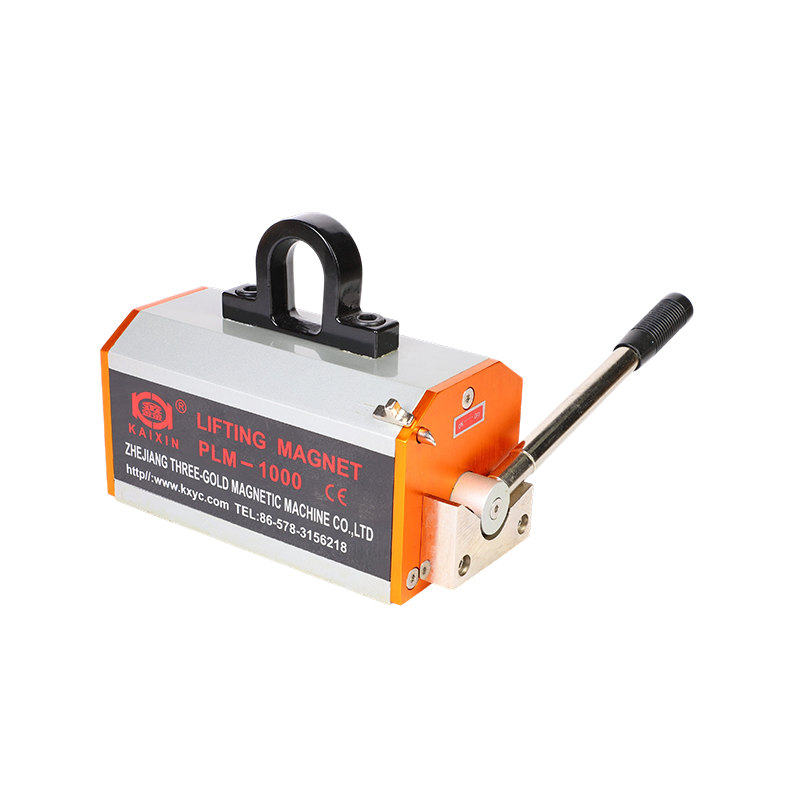
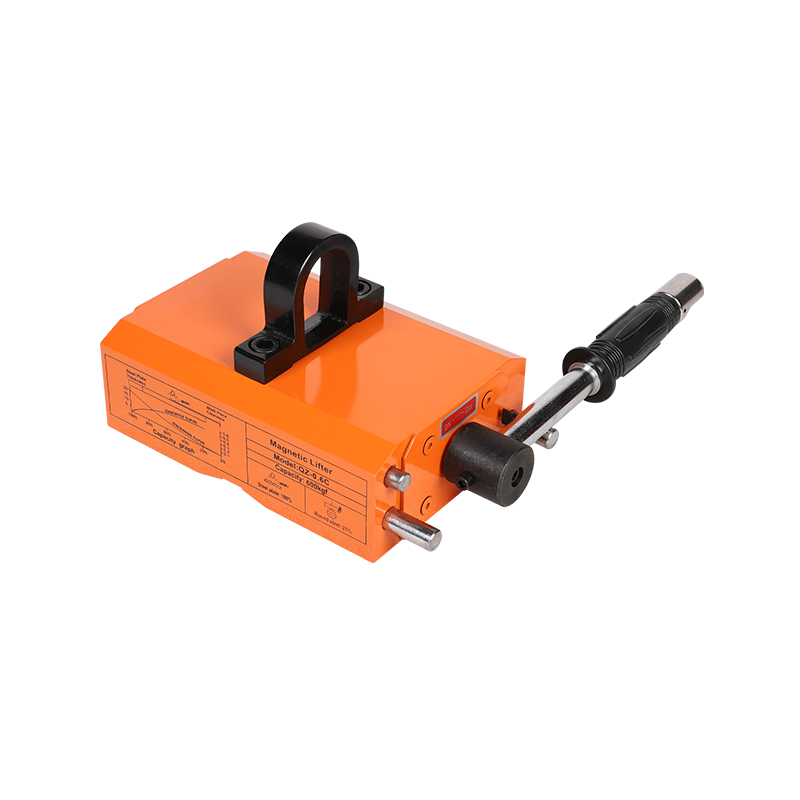
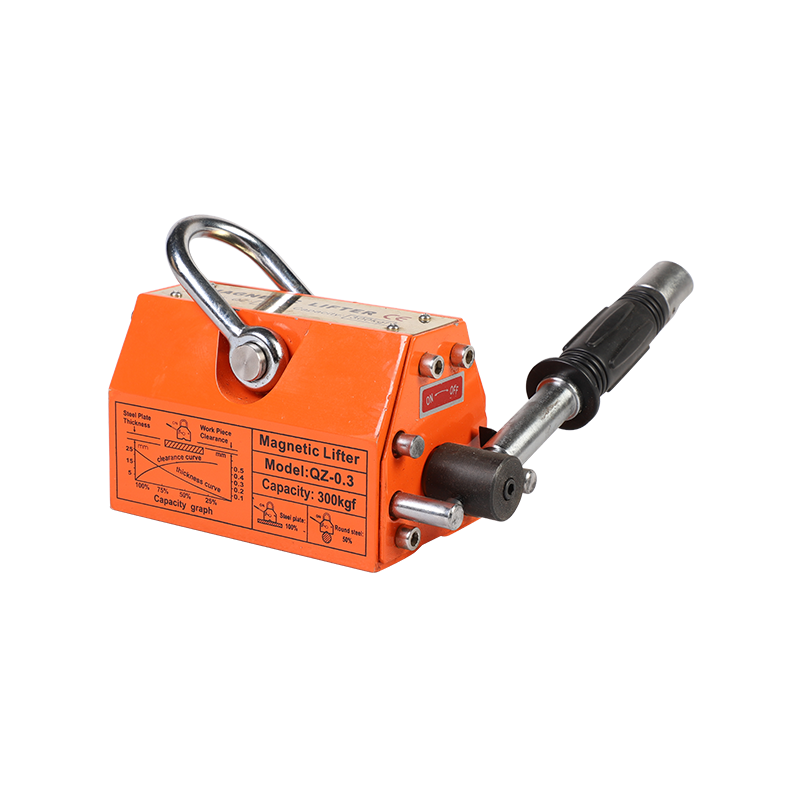
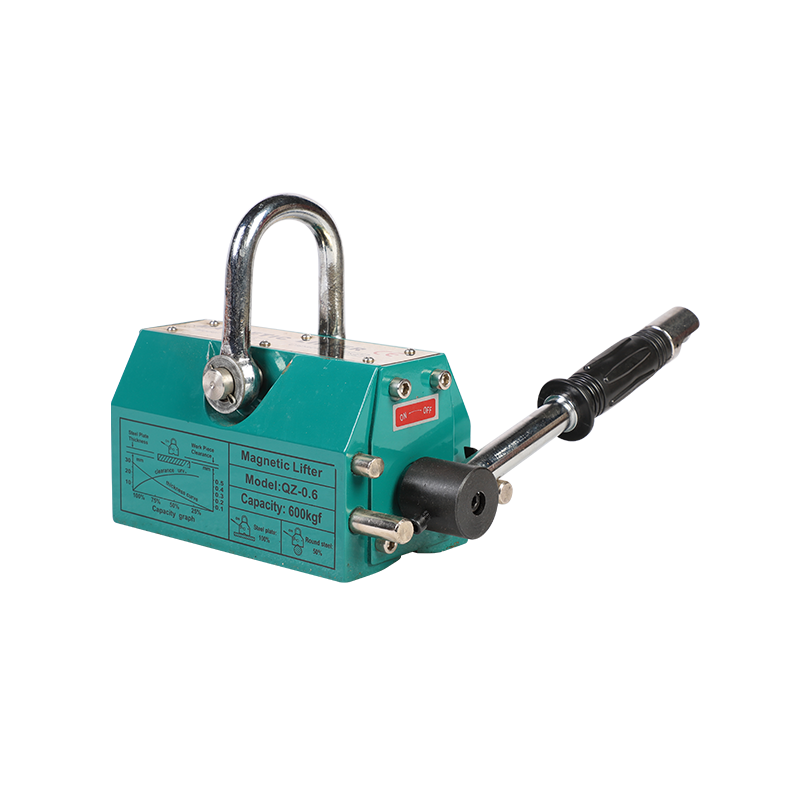
When comparing a Permanent Magnet Lifting Device with an electromagnetic lifter, one of the important considerations is how well each performs in outdoor or no-power environments. The operating principle of each lifting technology determines its suitability for such conditions, especially where mobility, stability, and independence from electricity are crucial.
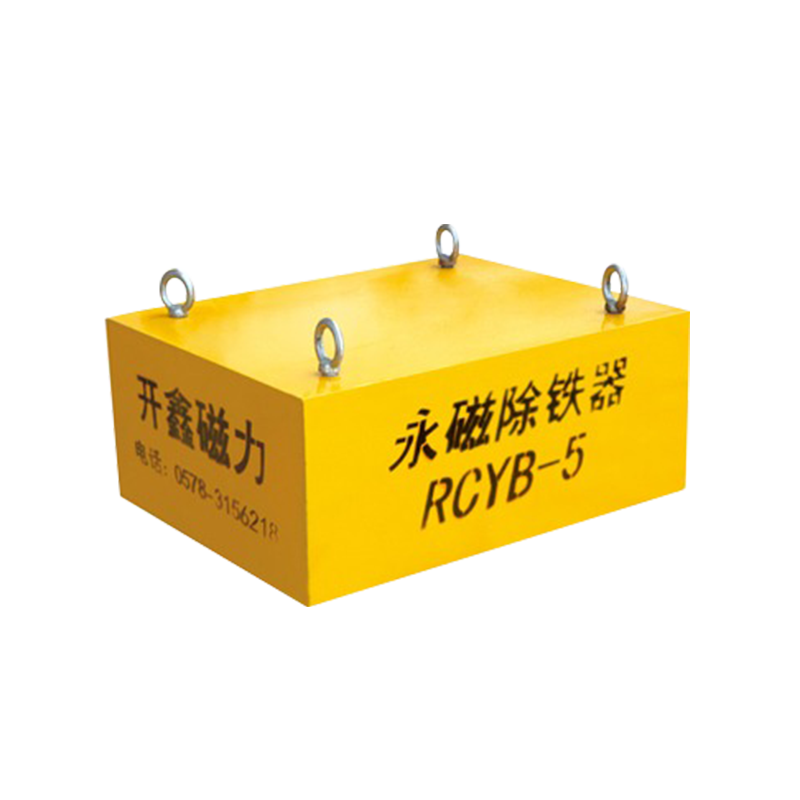
• A Permanent Magnet Lifting Device relies on internal permanent magnetic materials to generate its lifting force, meaning it does not require any external electricity to operate.
• An electromagnetic lifter relies on energized coils to produce a magnetic field and therefore needs a stable, continuous power supply.
• Outdoor work environments—such as construction sites, steel yards, forested regions, shipbuilding areas, mountains, or emergency recovery sites—often lack reliable electrical sources.
These points highlight the core differences in how each lifter adapts to real-world field conditions.
• No Electricity Required for Operation
A permanent magnetic lifter maintains its lifting force at all times without needing power input, making it ideal for remote locations. Workers can operate it manually using a lever or switch without worrying about voltage stability or generator performance.
• Elimination of Power-Failure Drop Risks
Electromagnetic lifters lose their magnetic force immediately when power fails. In outdoor conditions where cables can be damaged or generators can malfunction, this poses a serious risk of sudden load release. Permanent magnetic systems completely avoid this hazard.
• Greater Mobility for Field Use
In areas without fixed cranes or wiring infrastructure, permanent magnets can be carried and used anywhere. Electromagnetic systems require power cables, controllers, and sometimes cooling units, reducing their convenience for mobile outdoor lifting tasks.
• Resistance to Rain, Dust, and Temperature Variations
Permanent magnets have no electrical circuits or coils that could be affected by rain or dust. They offer consistent performance in humid, windy, or sandy conditions. Electromagnetic lifters require dry and relatively clean surroundings to prevent insulation damage or electrical short circuits.
• Lower Maintenance Needs
Outdoor environments inevitably introduce debris, dirt, and moisture. Permanent magnetic lifters have fewer mechanical and electrical components, meaning fewer points of failure and simpler cleaning. Electromagnets need more frequent inspections to ensure transformers, coils, and cables remain safe.
• Stable Performance Across Normal Temperatures
Permanent magnetic devices maintain grip strength across wide temperature ranges typically encountered outdoors. Electromagnets can overheat when used with portable generators, and excessive heat may reduce coil efficiency.
• Fail-Safe Holding Force
Permanent magnets hold materials securely regardless of bumps or power fluctuations. Their magnetic force is constant, predictable, and independent of external conditions. Electromagnets, however, are vulnerable to voltage drops that cause abrupt demagnetization.
• No Electrical Safety Risks
Working outdoors often involves wet surfaces, metallic tools, and unpredictable weather. Permanent magnetic lifters eliminate electrical hazards such as shocks, sparks, or cable failures. Electromagnets inherently introduce these risks due to their wiring and power dependence.
• Simple Emergency Procedures
Permanent magnetic systems allow direct manual release. Electromagnetic systems may require a controlled power shutdown before a load can be handled safely.
• Electromagnets allow an adjustable magnetic force, which is useful for lifting scrap metal or mixed materials.
• They handle certain extremely heavy loads that exceed the limits of typical permanent magnetic devices.
• They offer instant load release through power control rather than manual levers.
These advantages apply mostly in indoor industrial facilities with a stable electrical infrastructure.
For outdoor or no-power scenarios, the Permanent Magnet Lifting Device is generally a good choice. Its independence from electricity, resistance to harsh weather, inherent safety, and strong mobility make it a reliable lifting tool for remote and unpredictable environments. Electromagnets remain valuable in specialized indoor applications, but when electricity is scarce or conditions are rough, permanent magnetic lifting solutions clearly offer the practical and secure performance.



PRODUCTS

CONTACT US
Copyright @Zhejiang Three-gold Magnetic Machine Co., Ltd. All rights reserved
Magnetic Lifting Tools Manufacturers


 English
 中文简体
中文简体
 русский
 عربى
عربى