Moving parts around a factory floor sounds like it should be straightforward, until you're staring at a workpiece that's smooth on one side, irregular on the other, and too awkward for a person to keep grabbing by hand all shift long. Weight isn't always the sticking point. Surface condition, the size and shape of the part, which direction it needs to travel, and how much room the machine actually has around it all play into how that piece should get picked up and moved.
Industrial Vacuum Cups offer one route through these problems. They form a temporary connection between a lifting device and the surface of a workpiece, letting equipment move an item without wrapping a mechanical grip around its edge the way a traditional clamp would. The concept is simple enough on paper, but how it plays out varies a lot depending on the part in front of you.
Vacuum cups end up working with all sorts of shapes, and they show up in automated loading and unloading setups just as often as manual stations. Whether any given cup actually fits a job comes down to the surface it's grabbing, the material underneath that surface, the conditions during handling, and how the rest of the system is built around it.
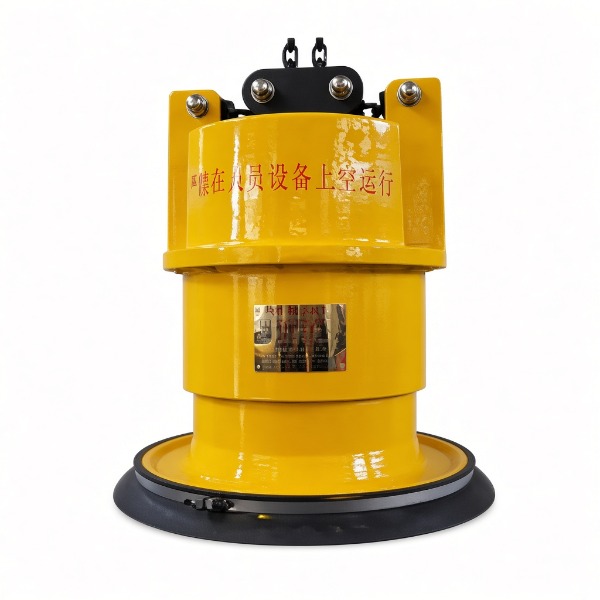
The surface of a workpiece has a direct say in how it can be handled. A smooth, reasonably flat area gives a vacuum cup a fair shot at solid contact. Rough, uneven, porous, or heavily contaminated surfaces tell a different story entirely.
A vacuum cup depends on sealing off the contact area between itself and the part. If air finds a way in around the edges, holding a stable grip gets harder fast — dust, oil residue, moisture, and surface texture can all change how well the cup actually seats against the material. Anyone who's tried to stick a suction hook to a dusty tile wall has felt a version of this same problem on a much smaller scale.
That's why reviewing the surface belongs in the handling design from the start rather than getting tacked on afterward. A cup that grips one material confidently might behave completely differently on another, and even two parts made from the same material can present different handling conditions if their surface finishes don't match.
| Surface Condition | Handling Consideration |
|---|---|
| Smooth surface | May provide a consistent contact area |
| Slightly curved surface | Requires suitable cup shape and contact |
| Rough surface | May make sealing more difficult |
| Porous material | Can allow air to pass through the workpiece |
| Wet surface | May change contact behavior |
| Contaminated surface | Can affect the contact between cup and material |
None of these conditions automatically rules out vacuum handling on its own. They point toward the cup and the workpiece needing evaluation together, as a pair, rather than the cup getting chosen off a catalog page in isolation.
Small workpieces create their own version of the handling puzzle. A large gripping device can take up too much space around a compact part, or it can crowd into nearby fixtures and equipment, and that same bulk makes it harder to land the gripping point exactly where it needs to sit.
Small Industrial Suction Cups earn their place once a workpiece only offers a limited contact area to work with. Their compact form slots into handling systems where a bigger gripping component would simply be in the way, whether that's a tray of tiny electronic housings or a batch of small machined fittings queued up for the next station.
Positioning matters even more at this scale. The cup needs to land on a suitable area of the part, and if that contact point sits too close to an edge or lands on an uneven patch, the whole handling result can shift unpredictably. This becomes especially relevant when a component moves through several stages of production — picked from a tray, carried to a processing area, then set into another fixture — with the handling device having to work inside a fairly tight physical envelope the entire time.
Working through it well tends to come down to asking where the cup can actually make contact, whether that spot is genuinely suitable for vacuum gripping, and whether the cup can reach the part without bumping into other equipment nearby. Framing it that way keeps cup selection tied to the real workpiece in front of you instead of treating size alone as the deciding factor.
Workpieces show up in more forms than any single rule can cover — broad flat sheets, narrow strips, curved shells, oddly shaped castings. The contact area available on each one shapes how the vacuum cups should be arranged around it.
A larger part often needs support at more than one location, spreading the handling force across the item rather than concentrating it in a single spot that might not hold. The cup arrangement needs to follow the actual shape of the part rather than a generic layout borrowed from an unrelated job.
Small or narrow parts flip the challenge around. There's often little room for the cup itself, and the gripping point has to be placed with real care — a cup sized for the available surface won't form the intended seal if it's simply too big for the space it's working with.
Shape keeps mattering once the part is actually moving, too. A long workpiece behaves differently from a compact one the moment it's lifted or carried sideways, and where the cups sit changes how the part rides during transport. That's part of why manufacturers end up looking past the simple question of whether a cup can lift a part at all, toward the harder question of how that part behaves the whole time it's airborne.
The demands on a gripping system shift depending on which direction a part travels. Picking a workpiece straight up off a horizontal surface is a fairly direct action. Moving it sideways, tilting it, or rotating it mid-transport puts a different set of forces on the connection entirely.
Cup placement matters a great deal here, since the gripping points need to actually support the intended movement rather than letting the part drift or twist on its own. A part lifted vertically between machine stations, moved sideways into a processing cell, rotated before final placement, or transferred from one production stage to the next each puts a slightly different load pattern on the cups holding it.
Shape and material feed into this too — a broad, rigid part rides very differently than a thin or flexible sheet does once it starts moving through space. Designing around the complete movement path, rather than just the initial pickup, tends to separate handling systems that run smoothly from ones that drop parts at the worst possible moment. The cup is only one piece of that picture; the robot or lifting mechanism, the workpiece itself, the contact surface, and the destination all shape how the movement actually needs to be managed.
Automation adds its own layer to the handling puzzle. Machines increasingly need to pick parts up from one spot and set them down in another without a person standing there watching every cycle.
Industrial Vacuum Cups fit naturally into these automated setups because they form that temporary connection a robotic arm needs — positioning the cup, engaging the workpiece, moving it, and releasing it at the right point in the sequence. This kind of arrangement supports loading and unloading production equipment, and it works just as well moving parts between trays, conveyors, workstations, and storage areas throughout a shift.
The whole sequence needs accounting for, not just the grip itself. The cup has to reach the correct contact point, form the intended seal, carry the workpiece along its planned route, and release it cleanly at the destination. Repeatability becomes a real concern in this context — if a part gets presented a little differently every cycle, the gripping process can turn unpredictable fast, which is exactly why part orientation and positioning equipment end up mattering just as much as the cup itself.
A workable automated sequence tends to run through presenting the workpiece in a known area, positioning the suction cup over a suitable surface, establishing contact, moving the part along its planned path, placing it at the destination, and releasing it before the next cycle starts. Every one of those steps feeds into the next, and cup selection needs to fit that whole sequence rather than getting chosen as if it were a standalone part.
Material and weight tie closely into vacuum handling, but they're far from the only factors in play. Two parts with roughly the same weight can still need completely different handling arrangements if their surfaces or shapes don't match.
A rigid metal sheet offers a broad, predictable contact surface to work with. A flexible material responds differently the moment it's lifted, flexing in ways a rigid part never would. A textured or porous material adds its own wrinkle, since maintaining the intended seal gets harder when air has more paths to sneak through.
Weight distribution deserves its own look too. A part that's light but long moves very differently from a compact part carrying similar mass, and where the load actually centers should factor directly into where the cups get placed. If the gripping points sit poorly relative to that center, the item can tilt or rotate mid-transport — a real problem when the part needs to slide cleanly into a fixture or a narrow machine opening rather than arriving at an angle.
This matters even more in automated equipment, where the machine needs to know not just that a part can be lifted, but that it will arrive in the orientation the next station actually expects.
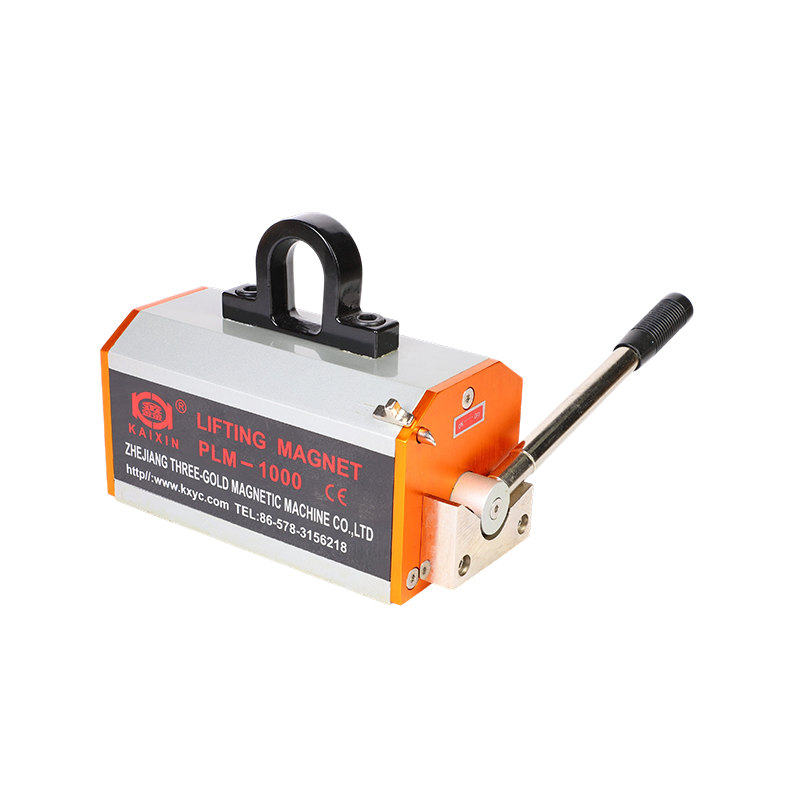
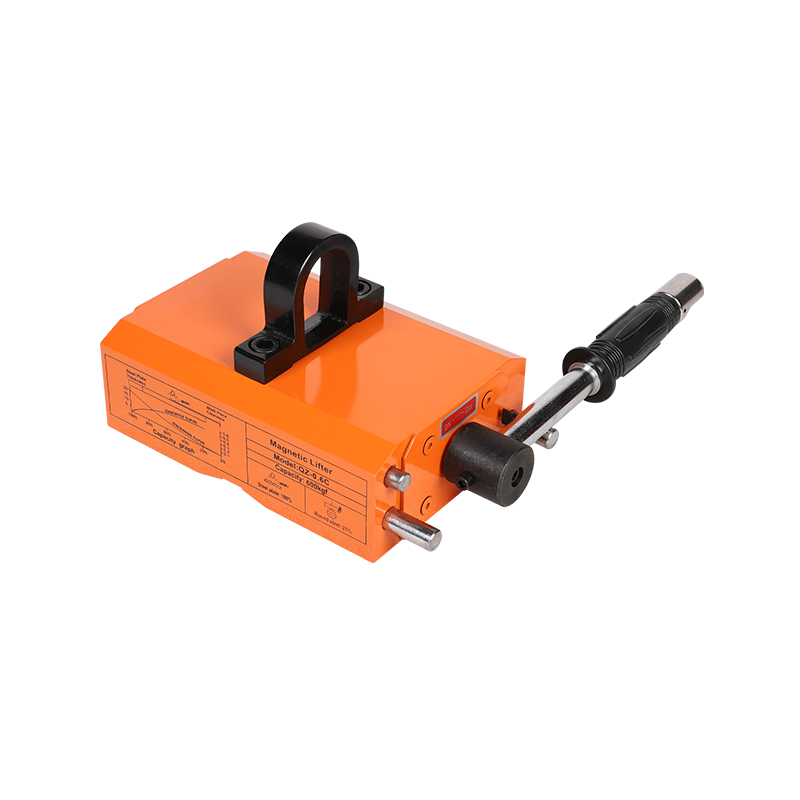
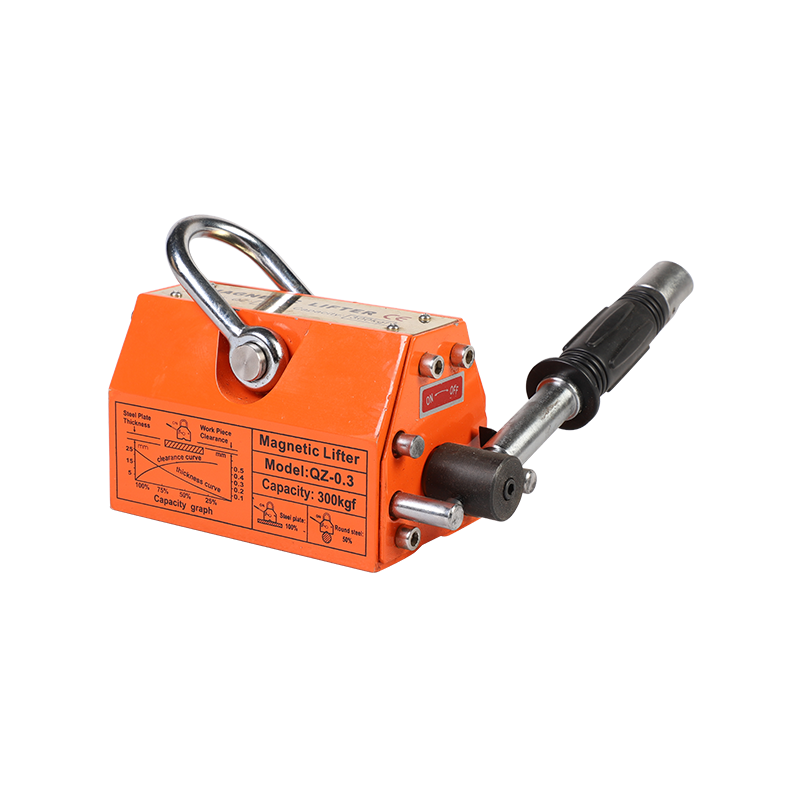
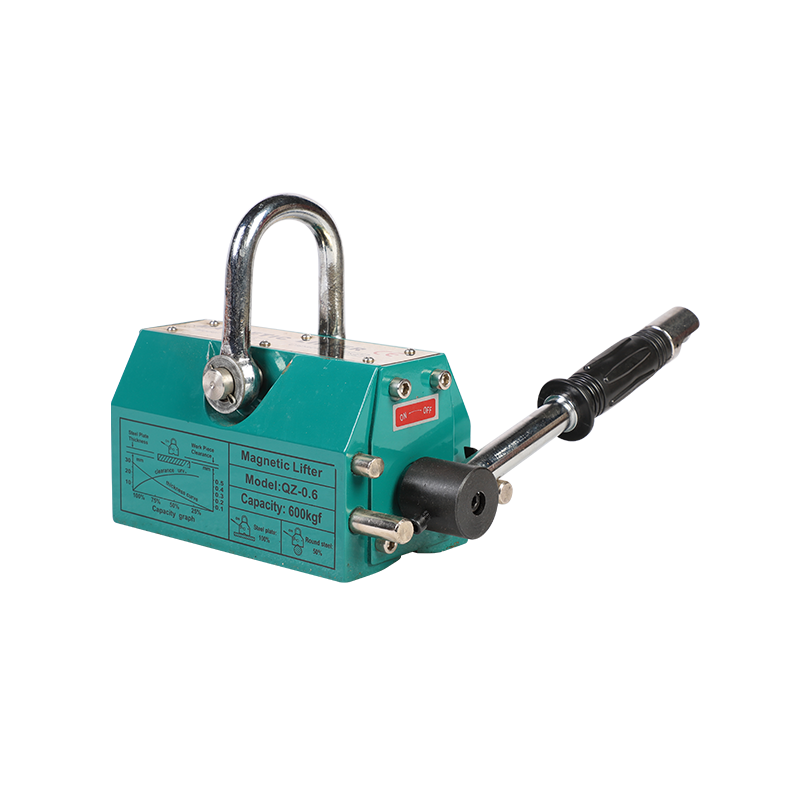
Not every workpiece suits vacuum handling. Material type shapes which gripping method actually makes sense, and magnetic lifting equipment is built specifically for suitable magnetic materials, working through an entirely different kind of connection.
A Permanent Magnetic Lifter Factory tends to focus on handling solutions built around magnetic workpieces, while vacuum cup systems cover a wider range of surface-based handling situations that don't depend on magnetic response at all. Which approach fits comes down to the material, the surface condition, the geometry of the part, the movement path, and how the rest of the machine is built.
Vacuum gripping earns consideration once a workpiece simply doesn't offer a magnetic response to work with, or when contact against a particular surface is preferred over wrapping around an edge or surrounding the whole part. The two approaches aren't interchangeable products wearing different labels — each one comes with its own set of application conditions worth checking before committing.
| Handling Factor | Vacuum Cup Approach | Magnetic Lifting Approach |
|---|---|---|
| Workpiece surface | Surface contact is important | Suitable magnetic material is needed |
| Material | Can suit various materials depending on surface | Depends on magnetic response |
| Contact method | Uses a temporary surface connection | Uses magnetic attraction |
| Shape | Contact area influences suitability | Material and shape both matter |
| Automation | Can be integrated with automated movement | Can also support automated handling |
| Application review | Focuses on surface and movement conditions | Focuses on material and magnetic conditions |
Neither method is meant to cover every situation on its own. The handling approach should follow the physical characteristics of the workpiece and the requirements of the machine it's feeding, rather than a habit or a supplier relationship carried over from an unrelated job.
Selection gets a lot easier once the handling problem is defined clearly from the start. Rather than beginning with the cup itself, it helps to begin with the workpiece and the movement it needs to go through.
Surface condition deserves a close look first — smooth, rough, porous, curved, wet, or contaminated all interact differently with a vacuum seal, and that condition shapes everything downstream. Workpiece geometry comes next, since the available contact area and overall shape decide whether a long, narrow, flexible, or irregular part needs a different cup arrangement than a compact rigid one would. Weight distribution deserves its own consideration too, with cup locations chosen to support the part through both lifting and movement rather than just the initial pickup.
Handling orientation matters just as much — whether the part gets lifted straight up, moved sideways, tilted, rotated, or placed into another machine changes where the cups should sit along the way. If the process is automated, how the workpiece gets presented and how the cup approaches it both need thought, since the gripping process has to fit the complete machine sequence rather than working in isolation. Maintenance conditions round things out, since cups and related components need to stay reachable for inspection and replacement without turning routine production into a hassle every time something needs checking.
Working through these points gives purchasing teams and equipment designers a clearer way to talk with suppliers about what a job actually requires, and it cuts down on the risk of choosing a component based only on a general product description that doesn't match the real application.
As factories keep handling more varied workpieces, gripping systems need to adapt to real differences in surface, shape, size, weight, and movement pattern rather than treating every part the same way. Industrial Vacuum Cups can be part of that answer whenever a workpiece offers a suitable contact surface and the handling system gets designed around its actual conditions rather than a generic assumption.
The same logic carries over to Small Industrial Suction Cups working in compact equipment — how useful they turn out to be depends entirely on how well their size, contact area, placement, and movement match the part in front of them. In automated loading and unloading, the scope widens further still, since the cup needs to work alongside the movement device, the way the workpiece gets presented, the control process running the sequence, and the destination waiting at the end of it. Considered together, vacuum gripping becomes part of the wider handling design rather than a component picked out on its own.



PRODUCTS

CONTACT US
Copyright @Zhejiang Three-gold Magnetic Machine Co., Ltd. All rights reserved
Magnetic Lifting Tools Manufacturers


 English
 中文简体
中文简体
 русский
 عربى
عربى