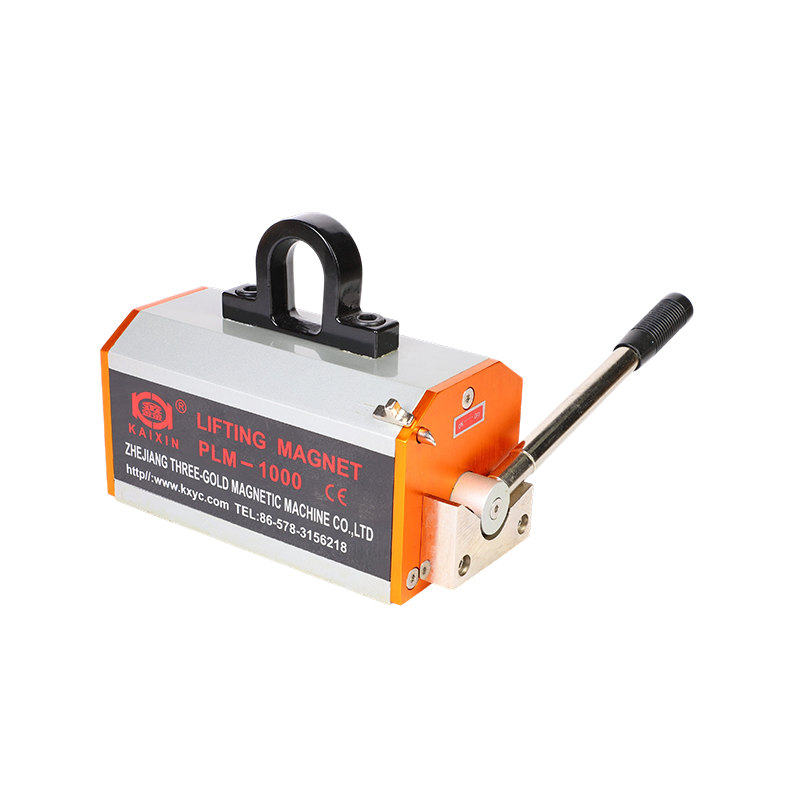
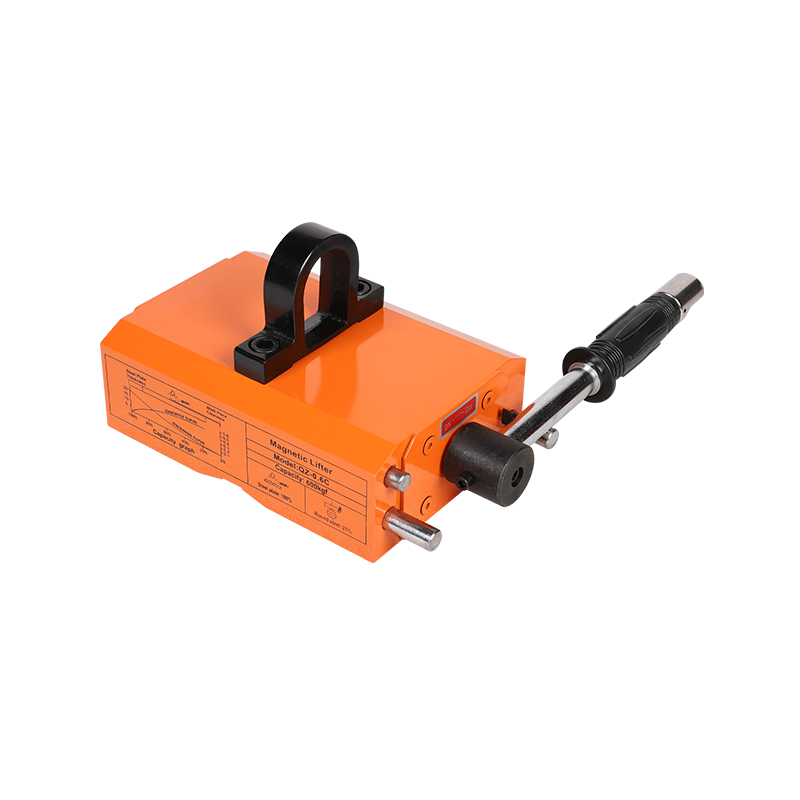
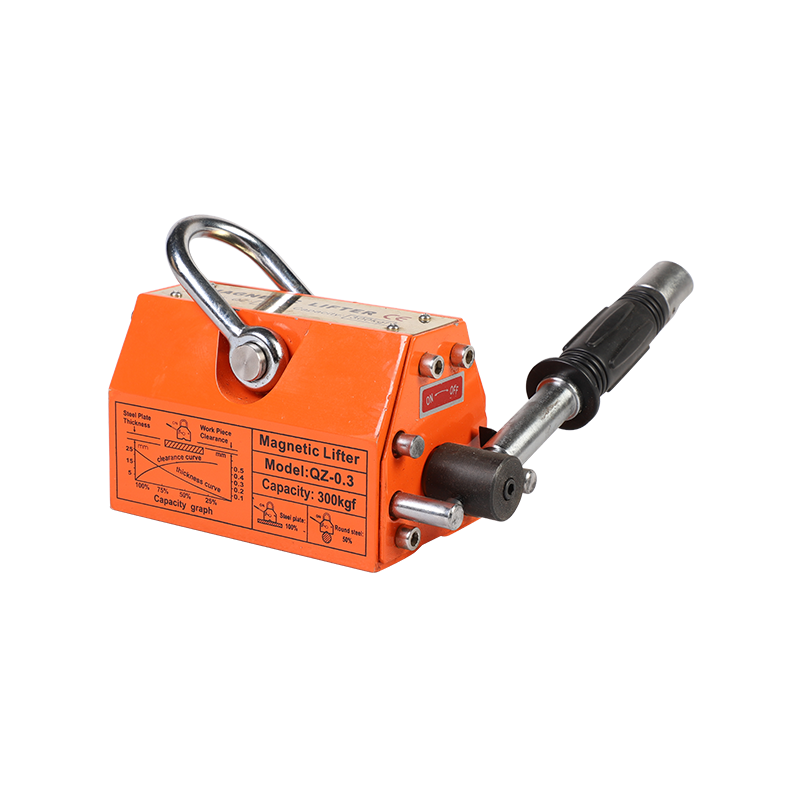
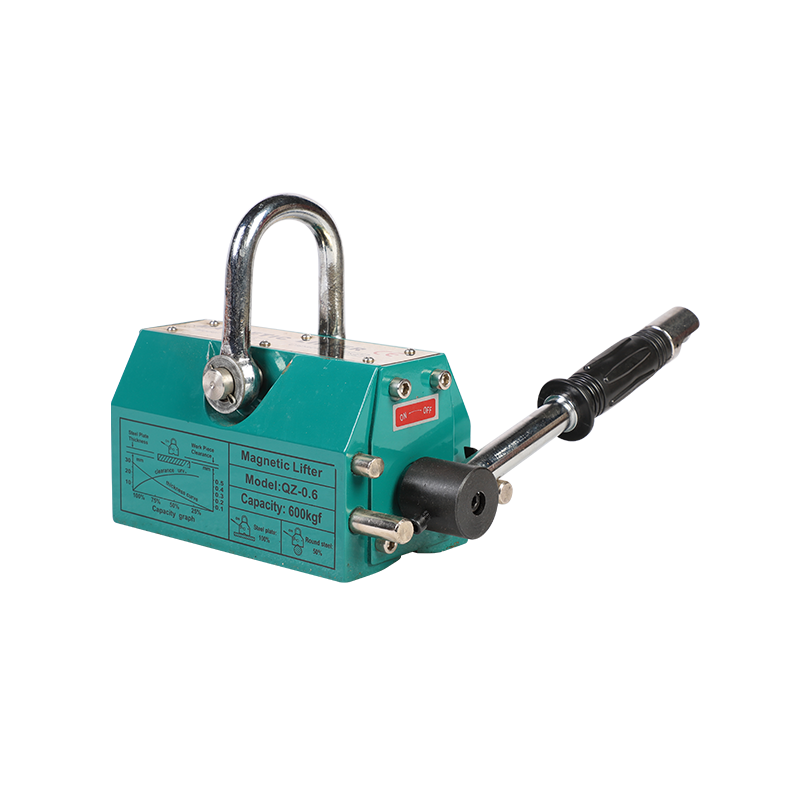
A Permanent Magnet Lifting Device is a versatile tool used in industrial environments to lift ferrous materials. One common question is whether these devices can effectively handle metal objects of various shapes and sizes. The answer depends on several factors, including the shape of the object, the strength of the magnetic field, and the lifting device's design.
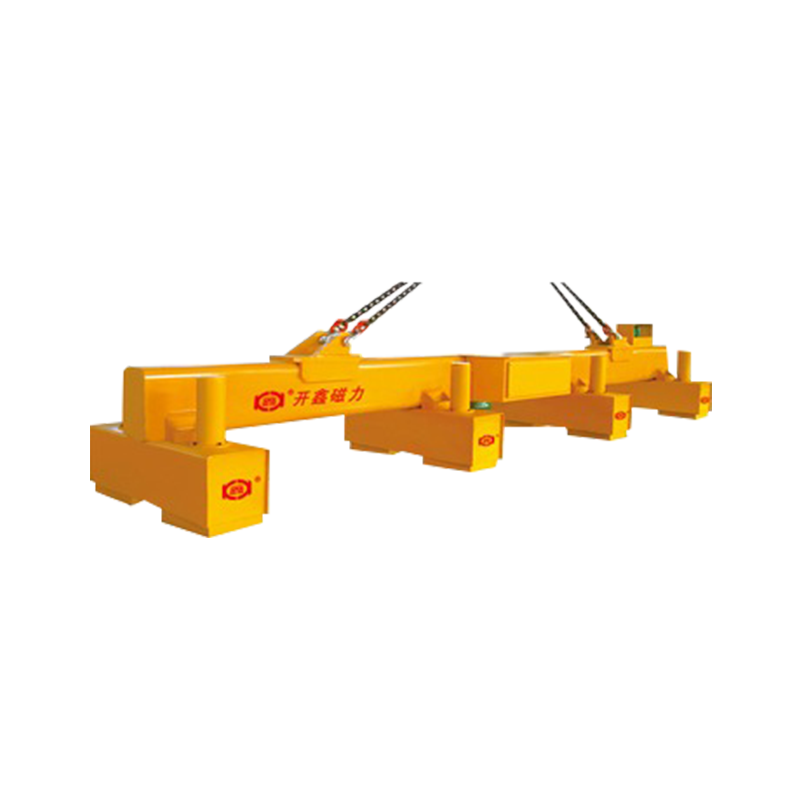
1. Lifting Efficiency for Flat and Regular Shapes
- Ideal for Flat Metal Surfaces: Permanent Magnet Lifting Devices excel when lifting flat metal surfaces such as plates, sheets, or beams. These objects offer a large surface area for the magnet to attach to, ensuring a secure grip and stable lift. The device's magnetic field can cover a wide area of the metal, allowing for easy handling of flat, regular shapes.
- Handling with Consistency: When lifting uniform and flat metal objects, Permanent Magnet Lifting Devices provide a stable and reliable solution, reducing the risk of slippage or accidents. This is especially important in environments where precision and safety are critical, such as in metal fabrication and construction.
2. Lifting Irregular and Complexly Shaped Metal Objects
- Challenges with Irregular Shapes: For objects with irregular or complex shapes, such as pipes, beams with contours, or bulky machinery, Permanent Magnet Lifting Devices can be less efficient. These objects often have limited surface contact with the magnet, which reduces the overall strength of the lift. If the contact area is too small, the magnet may not be able to lift the object securely or may struggle with lifting heavier loads.
- Specialized Magnet Designs: To improve the handling of irregular shapes, many Permanent Magnet Lifting Devices come with adjustable or specialized lifting pads that can better conform to the contours of the object. This customization can help increase the lifting capacity and provide better contact with irregular surfaces.
3. Weight Distribution and Load Capacity
- Balancing Uneven Loads: The ability of a Permanent Magnet Lifting Device to handle unevenly distributed loads largely depends on the shape of the metal object. For example, objects with a weight distribution that is not centered or that have varying thicknesses across their surface may require a more powerful magnet or additional supports to ensure proper lifting and balance.
- Safety Concerns: When lifting irregularly shaped objects, it is crucial to ensure the object is evenly balanced during transport. If the magnet is unable to provide an even lift, the object may become unstable and pose a safety risk. It's important to check the weight distribution and consider using slings or other accessories in conjunction with the lifting device for added stability.
4. Versatility with Customized Attachments
- Magnetic Attachments for Shaped Objects: Many Permanent Magnet Lifting Devices can be equipped with special attachments designed to handle a wide variety of metal shapes. For example, lifting devices can be fitted with adjustable magnetic pads or specialized fixtures that help grip objects with curves or non-flat surfaces. These attachments increase the versatility of the device, allowing it to handle different metal shapes more effectively.
- Modular Systems for Flexibility: Some modern lifting devices feature modular systems that can be easily adapted to different tasks. This customization ensures that, regardless of the shape of the metal object, the lifting device can be adjusted for efficiency and safety.
While Permanent Magnet Lifting Devices are highly effective for lifting flat and regular metal objects, they can face challenges when dealing with irregular or complexly shaped items. However, with the right design modifications, attachments, and careful load management, these devices can still handle a wide variety of shapes. Whether lifting plates, beams, or pipes, understanding the limitations and strengths of your lifting equipment ensures safe and efficient handling of metal objects in diverse industrial applications.






 English
 中文简体
中文简体
 русский
 عربى
عربى