Electro permanent magnetic chucks are widely used in modern machining and metalworking for holding ferromagnetic workpieces securely. Unlike traditional electromagnetic chucks that rely entirely on continuous electric current, these devices combine permanent magnets with a brief electrical pulse to activate or deactivate the magnetic field. When evaluating electro permanent magnetic chucks against standard electromagnetic chucks, it is important to consider performance, efficiency, safety, and operational costs. Understanding these differences helps manufacturers and machinists select the suitable solution for their specific applications.
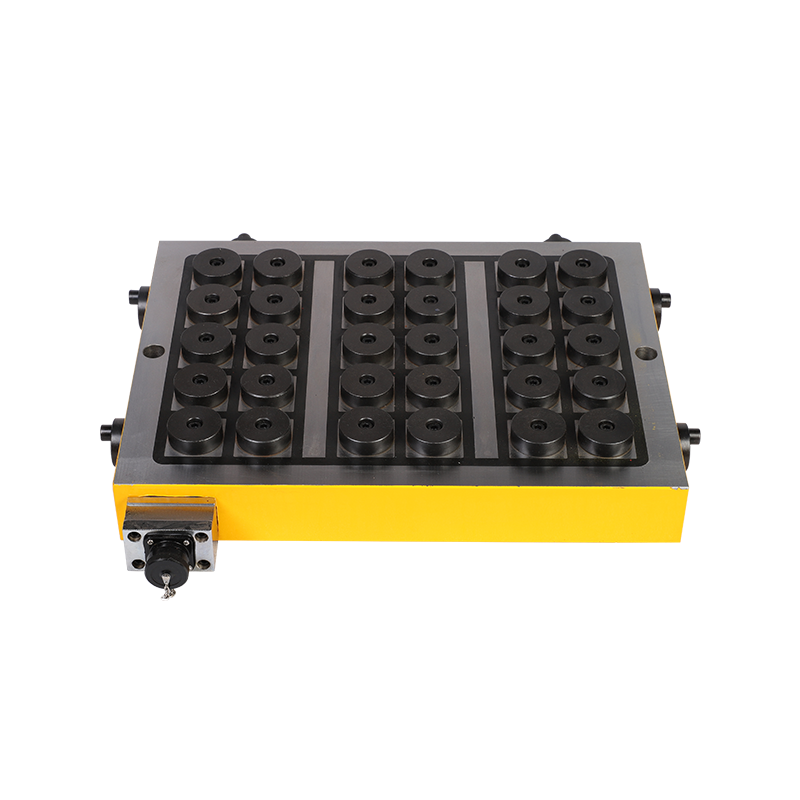
One of the key advantages of an electro-permanent magnetic chuck over a conventional electromagnetic chuck is energy efficiency. Once activated, an electro-permanent magnetic chuck maintains full holding force without continuous electrical input, resulting in significant energy savings. In contrast, traditional electromagnetic chucks require constant electricity to maintain magnetic adhesion, increasing energy costs and generating excess heat. For facilities aiming to reduce electricity consumption and operational expenses, this efficiency makes electro permanent magnetic chucks particularly attractive.
Both types of chucks provide strong holding power, but electro-permanent magnetic chucks offer more consistent performance in certain conditions. Because the magnetic field remains active without continuous power, workpieces remain securely clamped even during brief power interruptions. Traditional electromagnetic chucks, however, lose their holding force immediately if the power supply fails, posing a potential risk for workpiece displacement or damage. This reliability makes electro permanent magnetic chucks a preferred choice for high-precision machining and safety-sensitive operations.
Heat generation is another consideration when comparing these two chuck types. Conventional electromagnetic chucks continuously draw current, producing heat that can affect both the chuck and the workpiece. Excessive heat may cause thermal expansion, reduced machining accuracy, and additional cooling requirements. Electro permanent magnetic chucks, requiring only a brief electrical pulse for activation, generate minimal heat during operation, reducing thermal concerns and improving machining precision over extended cycles.
Despite their advantages, electro permanent magnetic chucks have higher initial purchase costs compared to traditional electromagnetic chucks. The combination of permanent magnets, electronic controls, and switching mechanisms increases manufacturing complexity. Maintenance may also require specialized knowledge, though these chucks generally experience lower long-term energy costs. Electromagnetic chucks, by contrast, are simpler and less expensive upfront, which may make them more suitable for low-volume operations or applications with less stringent precision requirements.
Electro permanent magnetic chucks offer enhanced versatility in various machining environments. They are particularly useful in operations where power stability is a concern or where continuous holding without electricity is desired. Electromagnetic chucks may still be preferred for temporary, short-term clamping tasks where ease of installation and cost savings are prioritized. Understanding the specific requirements of a manufacturing process is essential when deciding between these two technologies.
Choosing between an electro permanent magnetic chuck and a traditional electromagnetic chuck involves weighing energy efficiency, holding reliability, heat generation, cost, and application requirements. Electro permanent magnetic chucks provide long-term energy savings, stable holding even during power interruptions, and reduced heat buildup, making them ideal for precision and safety-critical machining. Electromagnetic chucks remain valuable for simple, cost-sensitive tasks with lower precision demands. By evaluating these factors carefully, manufacturers can select the suitable chuck to optimize productivity, safety, and overall operational efficiency.



PRODUCTS

CONTACT US
Copyright @Zhejiang Three-gold Magnetic Machine Co., Ltd. All rights reserved
Magnetic Lifting Tools Manufacturers


 English
 中文简体
中文简体
 русский
 عربى
عربى