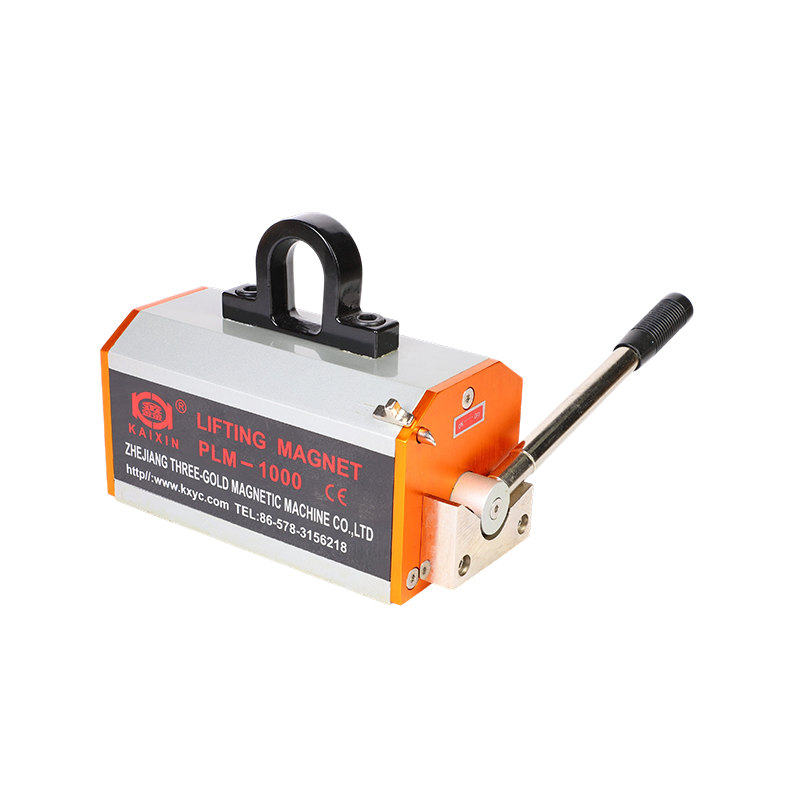
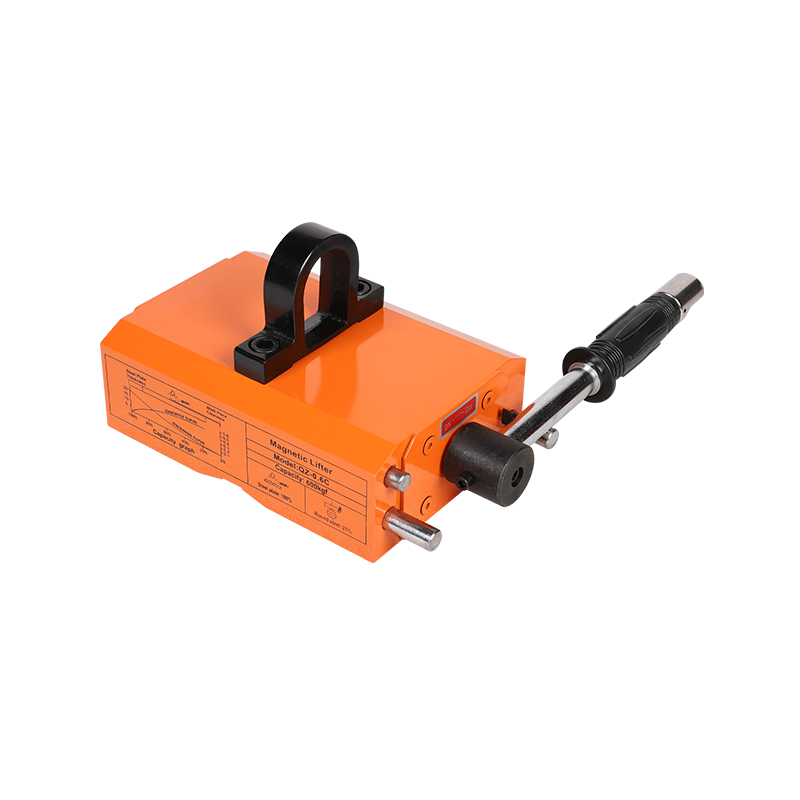
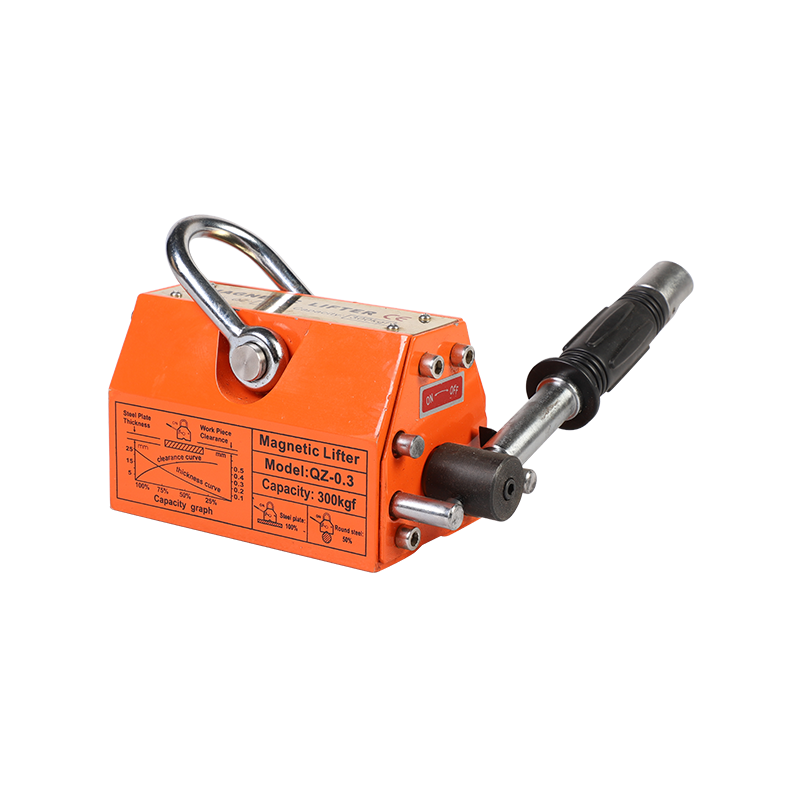
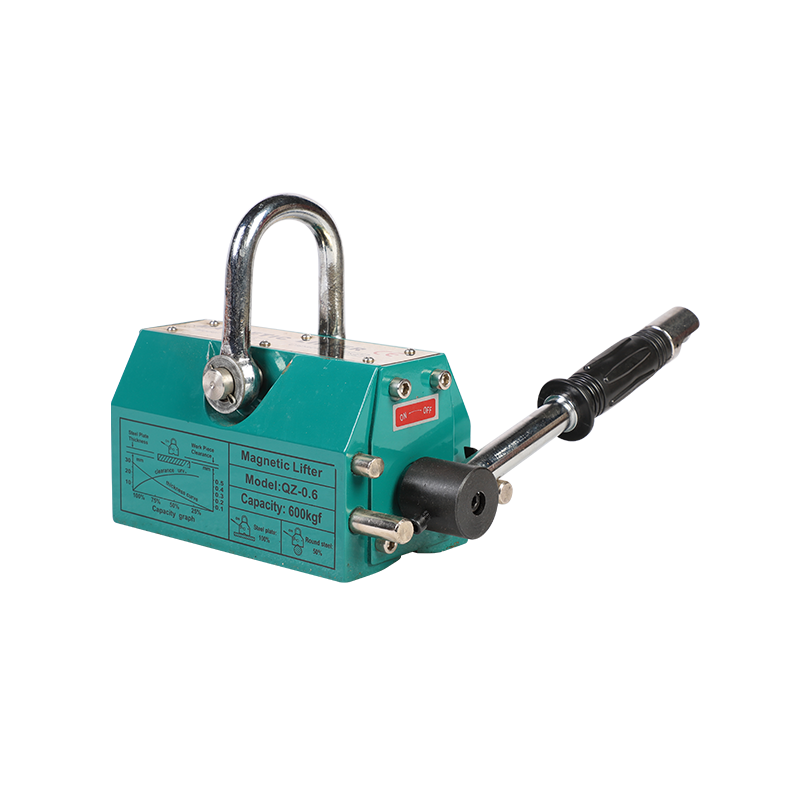
To judge whether a permanent magnet lifting device has a sufficient safety factor, it is necessary to understand what the term truly means in industrial lifting applications. A safety factor represents the ratio between the maximum holding force of the device and the rated working load. Manufacturers typically test lifting devices under controlled conditions to determine breakaway force, then apply a multiple to define a safe working load. When users consult guidance from a Permanent Magnet Lifting Device Factory, they are often seeking reassurance that this margin is adequate for real-world conditions, not just laboratory tests.
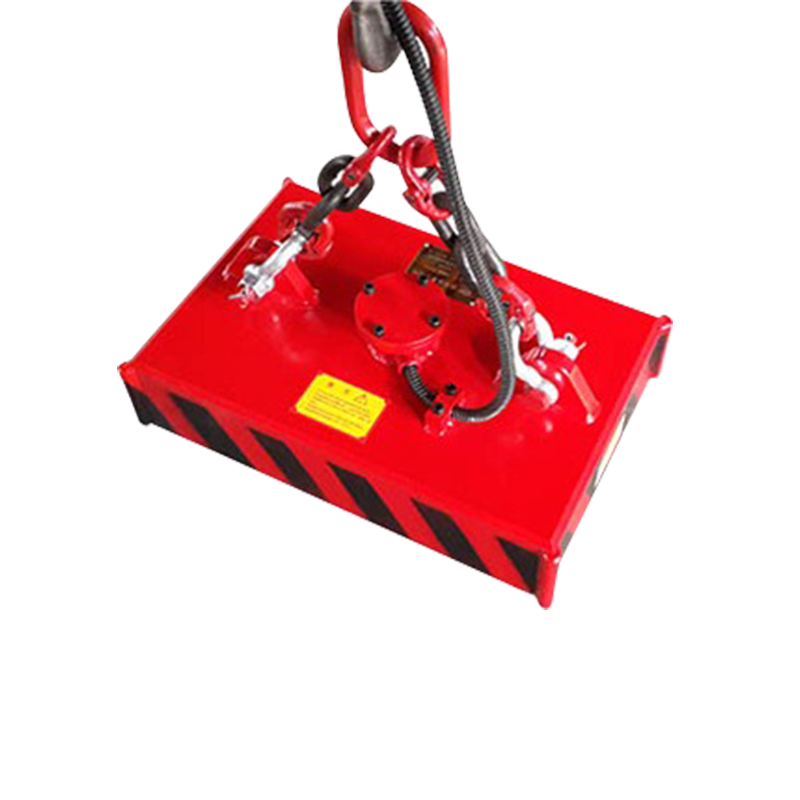
The most direct way to evaluate safety factor adequacy is to carefully examine the manufacturer’s rated capacity and testing methodology. Reputable suppliers clearly state how the safety factor is calculated and which standards are followed during testing. International or regional standards often specify safety multiples, ensuring that the device can withstand forces well above its nominal load. Choosing products from a Permanent Magnet Lifting Device Factory that openly discloses test conditions and certification provides a strong foundation for assessing safety.
A common mistake in safety evaluation is assuming that rated load automatically equals safe performance in all situations. In practice, the actual working environment can differ significantly from test conditions. Surface roughness, material composition, thickness, and cleanliness all influence magnetic holding force. To determine if the safety factor is sufficient, users must compare the rated capacity to the heavy load under the least favorable conditions expected on site. If there is little margin between these values, the safety factor may not be adequate.
Material properties play a critical role in magnetic lifting safety. Ferromagnetic materials with high permeability allow magnetic fields to develop fully, while alloys or thinner materials may reduce effective holding force. The contact area between the device and the load is equally important, as gaps or curved surfaces weaken magnetic attraction. Evaluating safety factor adequacy means confirming that the device maintains a comfortable margin even when contact conditions are less than ideal.
Safety factor evaluation must also account for how the load is lifted and moved. Vertical lifts, horizontal handling, and off-center loads apply different stresses to the magnetic field. Dynamic forces such as acceleration, deceleration, and minor impacts can momentarily increase effective load. A sufficient safety factor ensures that these transient forces do not compromise holding stability. Devices designed with higher safety margins are better suited to environments where movement is frequent or unpredictable.
Certification from recognized authorities is another key indicator of an adequate safety factor. Certified products have typically undergone independent testing to verify performance claims. Beyond certification, consistent quality control during manufacturing ensures that every unit performs as expected. Buyers evaluating safety should look for evidence of traceability, batch testing, and inspection records, all of which reflect a manufacturer’s commitment to maintaining the declared safety factor.
Over time, repeated use can affect mechanical components such as handles, pivots, and locking mechanisms. While the magnetic core itself may remain stable, wear in auxiliary parts can influence safe operation. A sufficient safety factor should account for long-term use, not just initial performance. Regular inspection and maintenance help confirm that the original safety margin remains intact throughout the device’s service life.
Ultimately, determining whether a permanent magnet lifting device has an adequate safety factor requires combining manufacturer data with practical evaluation. Users should select devices with rated capacities well above their expected loads, especially in demanding environments. By considering material properties, operating conditions, certification, and long-term reliability, operators can make informed decisions that prioritize safety and operational confidence in daily lifting tasks.



PRODUCTS

CONTACT US
Copyright @Zhejiang Three-gold Magnetic Machine Co., Ltd. All rights reserved
Magnetic Lifting Tools Manufacturers


 English
 中文简体
中文简体
 русский
 عربى
عربى