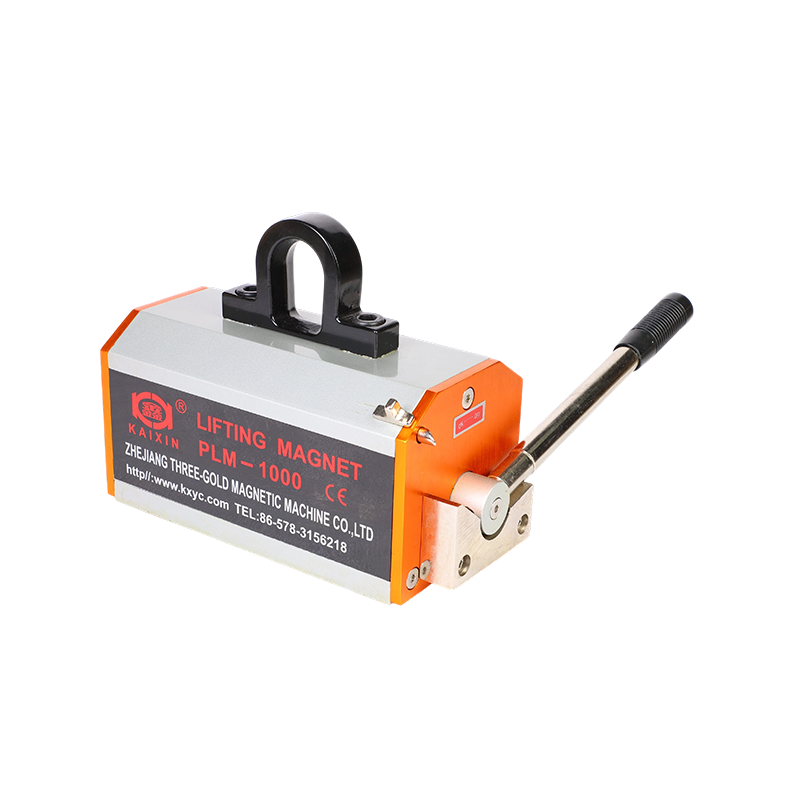
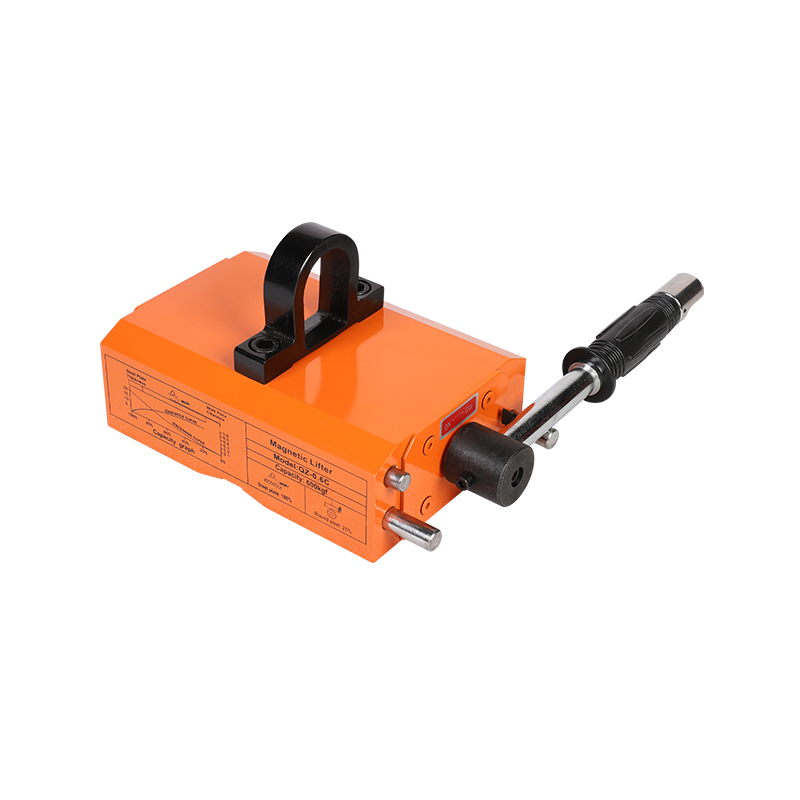
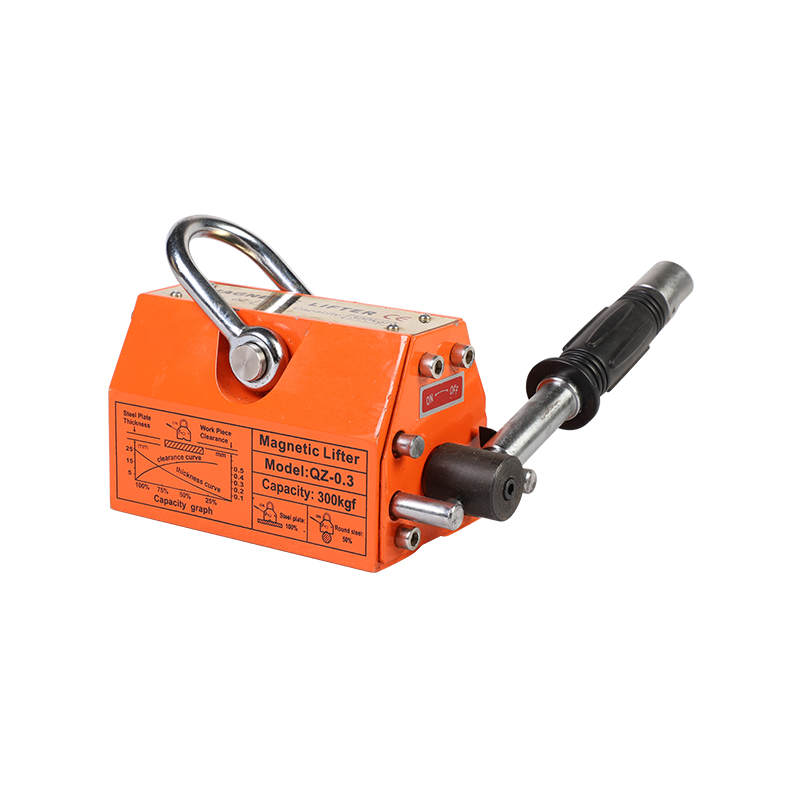
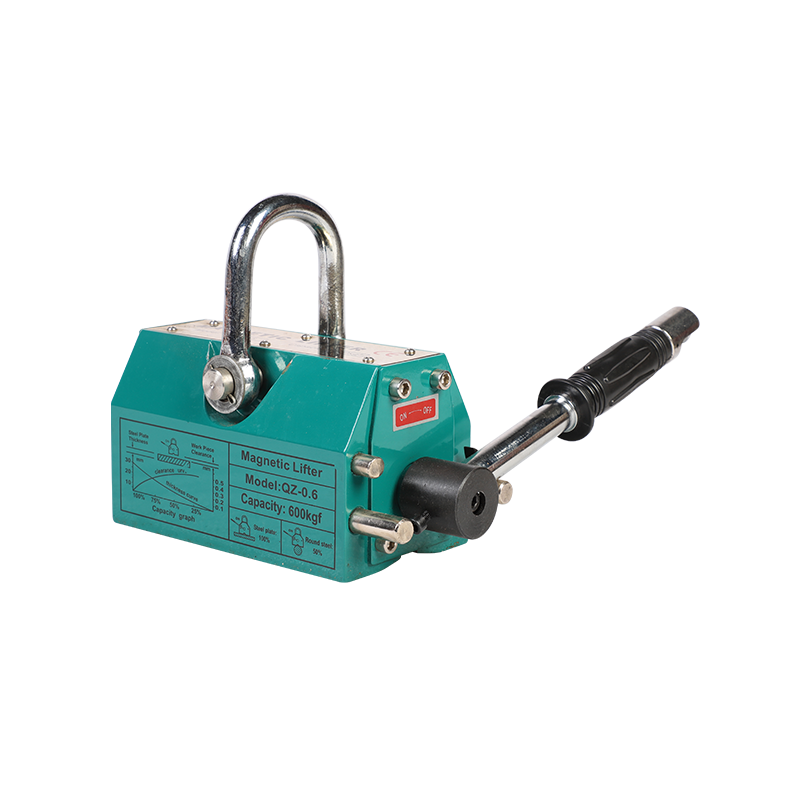
Moving heavy steel plates, billets, coils, and fabricated components is risky business. Chains, slings, hooks—they get the job done, but they often require workers to get up close to heavy loads, position rigging by hand, and deal with pinch points, sharp edges, unstable loads, dropped-object hazards. An Electro Permanent Lifting Magnet takes a different approach. It uses electrically controlled permanent magnetism to attach to and release ferromagnetic materials. Unlike a conventional electromagnet, it doesn't need continuous power to hold its state after activation. That's a real safety advantage during power interruptions. But safe performance still depends on workpiece properties, contact conditions, equipment capacity, operating procedures.
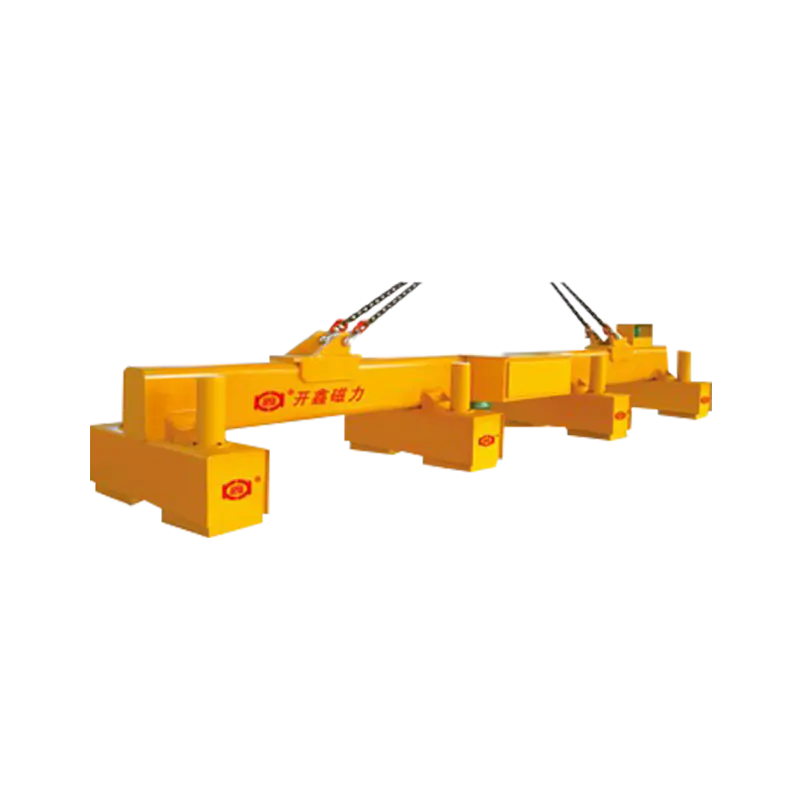
How Electro Permanent Lifting Magnet Technology Works
An electro permanent lifting magnet contains permanent magnet materials and an electrically controlled magnetic circuit. A brief electrical pulse changes the magnetic state. In the holding state, magnetic flux passes through the workpiece and creates the force needed to secure it. A separate electrical pulse changes the circuit to release the load.
Because permanent magnets maintain the holding state, external power is generally needed only to switch the magnet on or off. Different from a conventional electromagnetic lifter, which normally requires continuous current to maintain magnetic force. Power interruption? A conventional electromagnet may lose holding force unless there's a suitable backup system. The power-off holding characteristic is an important safety benefit, but it doesn't prevent every possible failure. Poor contact, inadequate material thickness, incorrect load positioning, equipment damage—any of these can still cause a load to detach.
Key Safety Benefits in Industrial Material Handling
Better Load Retention During Power Interruptions
Once correctly activated and attached to a suitable workpiece, an electro permanent magnet can maintain its magnetic holding state during an external power failure. That reduces dependence on an uninterrupted power supply throughout the lifting operation. Facilities must still follow manufacturer procedures for emergency stops, equipment faults, load recovery. Power-off holding doesn't replace rated-capacity limits, regular inspection, safe lifting practices.
Reduced Manual Rigging and Worker Exposure
Magnetic lifting can reduce the need to position chains or slings around individual steel plates and components. Operators engage a suitable load through a controlled lifting system and release it at the destination. Less manual handling, fewer awkward working positions, reduced exposure to sharp edges or pinch points. Remote controls and clearly defined exclusion zones help workers maintain safer distance from suspended materials. Personnel must never stand beneath a suspended load or reach into a hazardous area during lifting.
More Consistent Load Positioning
When correctly selected for the workpiece geometry, a magnetic lifter can distribute holding force across the contact area. That supports repeatable handling in steel service centers, fabrication shops, production lines. Actual stability still depends on load shape, thickness, flatness, center of gravity, lifting configuration.
Compare Different Industrial Lifting Methods
Each method has advantages and limitations. Selection should reflect the material, operating environment, load dimensions, required handling cycle.
| Lifting method | Operating principle | Main safety considerations |
|---|---|---|
| Electro permanent magnet | Electrical pulse switches the magnetic state; permanent magnetism maintains the hold | Verify material, thickness, contact, and rated capacity |
| Conventional electromagnet | Continuous electrical power maintains magnetic force | Power failure may reduce holding force; backup protection may be necessary |
| Chain and sling | Mechanical attachment around or through the load | Correct rigging, sling angles, attachment points, and inspection |
| Vacuum lifter | Vacuum pressure creates the holding force | Surface condition, leakage, and vacuum monitoring |
General comparison. Specific models may include additional safeguards or restrictions. Review manufacturer documentation and applicable lifting regulations.
What Determines the Actual Lifting Capacity?
A magnet's maximum rated capacity doesn't apply to every steel workpiece. Actual holding force depends on the material's magnetic properties and the quality of contact between magnet and load.
Material type is the first consideration. Standard magnetic lifters are designed for ferromagnetic materials, including many carbon steels. Aluminum, copper, some stainless steel grades—unsuitable for conventional magnetic lifting. Material thickness matters too, because thin plates may not provide a sufficient magnetic path to achieve published capacity.
Surface conditions can reduce performance. Rust, mill scale, paint, dirt, uneven surfaces create air gaps between magnet and workpiece. Curved or narrow components may not contact all magnetic poles. Temperature affects permanent magnet materials and electrical components, so the operating range must stay within manufacturer limits.
Load orientation is equally important. Capacity for a horizontal lift may differ from permitted capacity for vertical lifting or turning. Always consult the manufacturer's capacity charts for actual material thickness, surface condition, lifting configuration. Never assume the maximum published rating applies to every load.
Evaluate Controls and Safety Features Before Purchasing
A suitable lifting system should clearly communicate its operating state. Depending on design, useful features may include visual or audible activation confirmation, power-status monitoring, remote controls, interlocks that help prevent unintended release.
Before selecting equipment, consider:
Ask the supplier to explain the equipment's operating sequence and emergency procedures. Clear instructions help operators identify abnormal conditions and respond appropriately.
Establish Reliable Operating and Inspection Procedures
Before operation, inspect magnetic contact surfaces for damage, contamination, excessive wear. Check cables, connectors, suspension components, mounting points, control indicators. Confirm the workpiece is made from a suitable material and its weight, dimensions, thickness, surface condition meet approved operating limits.
Operators need training on activation and release procedures, load positioning, exclusion zones, emergency response, equipment limitations. Never exceed rated capacity or perform side-pulling unless the manufacturer explicitly permits it. Any unusual movement, warning indication, or suspected damage should trigger the site's stop-work and inspection procedure.
Match the Lifting System to the Industrial Application
Electro permanent lifting systems are used in steel service centers, metal fabrication, shipbuilding, heavy manufacturing, automated material handling. A steel warehouse may prioritize efficient movement of plates and bundles. A fabrication line may require accurate positioning of individual workpieces.
Engineers should assess load dimensions, lifting frequency, crane capacity, workspace layout, environmental conditions before specifying equipment. An Electro Permanent Lifting Magnet can improve safety by maintaining its holding state without continuous power, reducing some manual rigging tasks, supporting controlled movement of suitable steel loads. Combine correct equipment selection with capacity verification, inspection, operator training—that's how you build a more reliable industrial material handling process.



PRODUCTS

CONTACT US
Copyright @Zhejiang Three-gold Magnetic Machine Co., Ltd. All rights reserved
Magnetic Lifting Tools Manufacturers


 English
 中文简体
 русский
 عربى