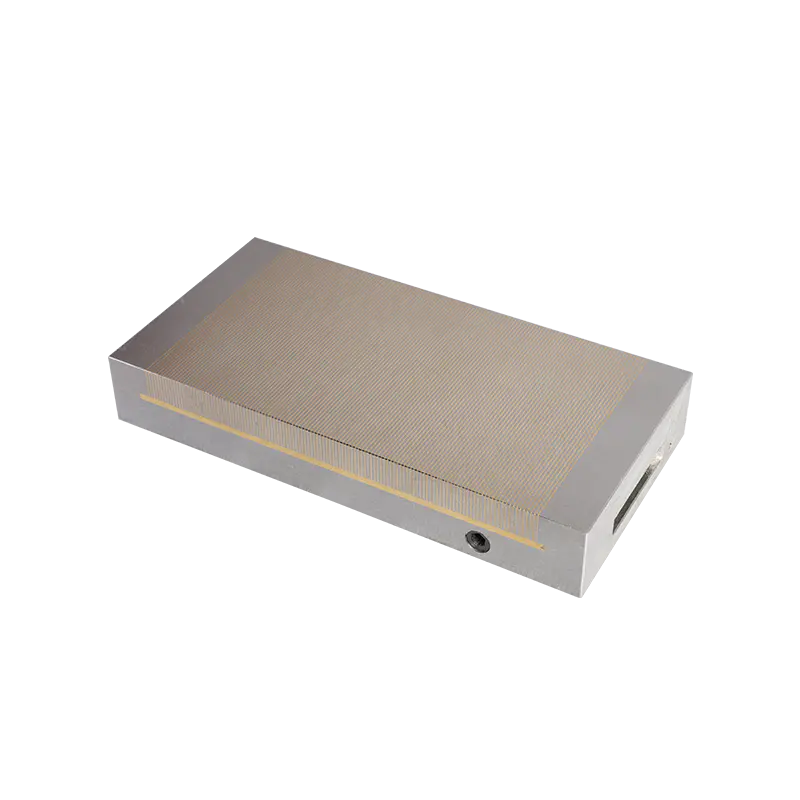
An electro permanent magnetic chuck shows up a lot in CNC machining, grinding, milling, precision workholding. It holds ferromagnetic workpieces across a wide contact area. Permanent magnets plus electrical switching mean the thing can keep its magnetic hold without continuous power in many designs. Handy. But safe operation still comes down to correct workpiece positioning, enough magnetic holding force, reliable controls, proper maintenance. Do systematic safety checks before, during, and after machining—that's how you prevent workpiece movement, equipment damage, operator injuries. A consistent routine also keeps machining accuracy steady and cuts unexpected downtime.
How Does an Electro Permanent Magnetic Chuck Affect Workholding Safety?
A controlled electrical pulse changes the magnetic state. Once magnetized, it generally retains holding force without continuous power, depending on design. Nice feature. But it doesn't eliminate workholding risks. Actual holding performance depends on workpiece material, thickness, surface flatness, contact area, air gaps, machining forces. A chuck can be energized correctly and still provide inadequate restraint for a particular workpiece. So operators must confirm the setup meets manufacturer requirements before starting. The chuck's rated holding force isn't a universal value for every workpiece or cutting condition.
Which Safety Checks Are Essential Before Operation?
Pre-operation inspection should cover chuck, workpiece, controller, surrounding machine environment.
| Safety check | What to verify | Why it matters |
|---|---|---|
| Magnetic contact surface | Pole plates are clean and free from damaging debris | Contamination can create air gaps and reduce holding force |
| Workpiece material | The material is suitable for magnetic clamping | Some metals and stainless steel grades have limited or no useful magnetic response |
| Workpiece geometry | Contact area, thickness, and flatness meet requirements | Poor contact can compromise clamping security |
| Chuck condition | No visible cracks, deformation, or damaged components | Defects may affect safe and reliable operation |
| Controller and cables | Connectors, cables, indicators, and controls appear undamaged | Faults can prevent correct magnetization or demagnetization |
| Machine setup | Chuck is mounted correctly and the working area is clear | Incorrect installation or interference can introduce additional risks |
Before loading, remove chips, grinding debris, other contamination from the magnetic surface. Check the underside of the workpiece too. Even small particles interfere with contact, especially in precision grinding and finishing. Verify the workpiece sits within the chuck's designated magnetic working area. If the manufacturer requires particular pole coverage, minimum workpiece thickness, or positioning conditions, confirm them first.
How Can Operators Verify Adequate Magnetic Holding Force?
Correct magnetization doesn't automatically guarantee a secure workpiece. Effective holding force varies with material magnetic properties, contact interface, workpiece dimensions, forces generated during machining. After placing the workpiece, activate the chuck using the specified control sequence. Confirm the controller indicates the expected magnetic state. Any required status checks passed? Investigate inconsistent indicators, alarms, unexpected control behavior before continuing.
Next, evaluate the planned machining operation. Cutting forces, vibration, tool engagement, workpiece overhang affect stability. A setup fine for a light finishing pass may be inadequate for aggressive milling or heavy stock removal. Follow the manufacturer's procedure for verifying workpiece security. Where required, conduct an approved trial or test cut under controlled conditions—machine guarding in place, personnel clear of the hazard area. Never put hands near the workpiece to judge whether it's held securely. If the workpiece shifts, magnetic status is uncertain, or the setup doesn't meet holding requirements, stop and correct the cause.
What Electrical and Control-System Checks Are Necessary?
Even though an electro permanent magnetic chuck can retain its magnetic state without continuous power in many designs, the control system is still essential for switching states and monitoring operation. Before starting, inspect cables and connectors for abrasion, exposed conductors, loose connections, visible damage. Confirm the controller is compatible with the installed chuck. Magnetization and demagnetization commands should operate per equipment documentation. Check warning indicators, interlocks, other safety functions. Never bypass a safety interlock or keep operating with a known control fault.
Operators should also understand how the chuck behaves during a power interruption. The magnetic state may be retained by its permanent-magnet design. But that's not proof every workpiece remains safe under all conditions. Holding capacity, setup, machining forces, manufacturer-defined emergency procedures still apply. Electrical inspection, repairs, controller servicing—qualified personnel only, using approved isolation and energy-control procedures.
What Should Be Checked During Machining?
Safety checks continue after the machine starts. Monitor for unusual vibration, workpiece movement, unexpected noise, abnormal controller indications, changes in cutting behavior. Use correct machining parameters for workpiece material, chuck configuration, tool. Excessive cutting forces or poorly supported workpieces create risks even when the magnetic system works correctly. Keep guards and protective enclosures in place. Never reposition a workpiece or remove chips from hazardous areas while the machine runs. Stop the machine, follow approved procedure before intervening. Alarm appears or magnetic holding status becomes uncertain? Stop machining safely. Don't resume until the cause is identified and workholding verified.
How Should the Chuck Be Released and Maintained?
Demagnetization only after machining stops and the workpiece is no longer exposed to hazardous machine movement. Follow the manufacturer's release sequence. Confirm indicated magnetic state before removing the workpiece. Some systems leave residual magnetism in the workpiece, which attracts metal chips or affects handling. Apply recommended demagnetization procedure when needed.
Routine maintenance: clean magnetic surface, check cables and connectors, inspect accessible components, review controller alarms or recurring faults. Record inspections, repairs, abnormal events so maintenance teams can spot recurring problems.
| Frequency | Recommended action |
|---|---|
| Before each use | Inspect surfaces, workpiece suitability, cables, controls, and chuck condition |
| During operation | Monitor for movement, vibration, alarms, and abnormal behavior |
| After machining | Stop the machine, release the workpiece according to procedure, and clean the contact surfaces |
| At scheduled intervals | Perform manufacturer-specified inspections, functional checks, and professional servicing |
Equipment manual and site-specific risk assessment determine final inspection intervals.
Establish a Reliable Safety Routine for Magnetic Workholding
Safe use of an electro permanent magnetic chuck is more than activating the magnetic system. Operators verify workpiece compatibility, surface contact, holding requirements, control-system condition, machine setup before every job. Continued monitoring and disciplined release procedures reduce risks throughout the machining cycle. Combine operator training, documented inspections, suitable machining parameters, preventive maintenance—that's how manufacturers improve workholding reliability while protecting personnel and equipment.



PRODUCTS

CONTACT US
Copyright @Zhejiang Three-gold Magnetic Machine Co., Ltd. All rights reserved
Magnetic Lifting Tools Manufacturers


 English
 中文简体
 русский
 عربى