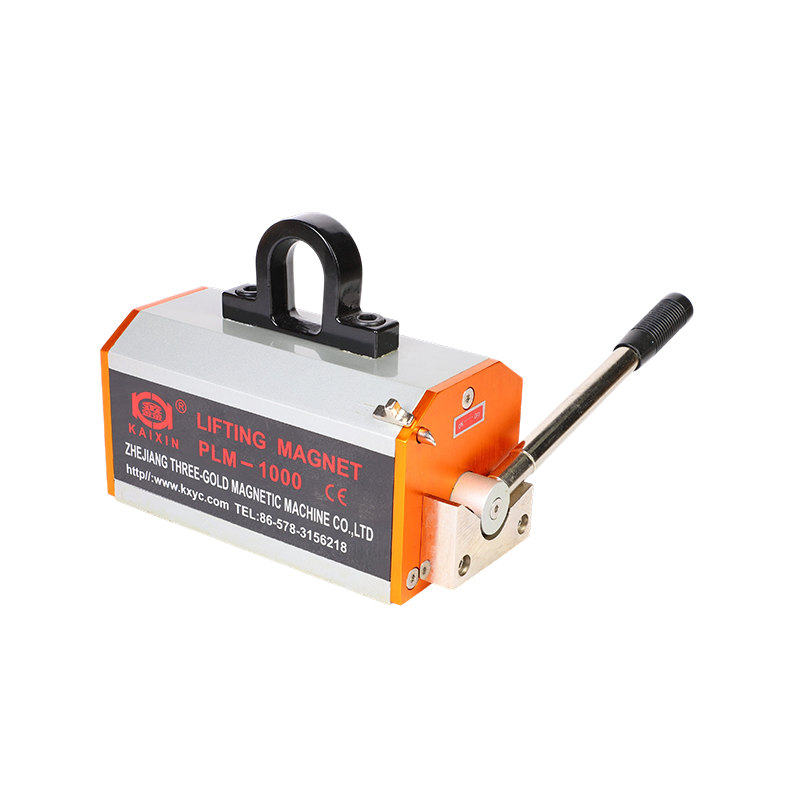
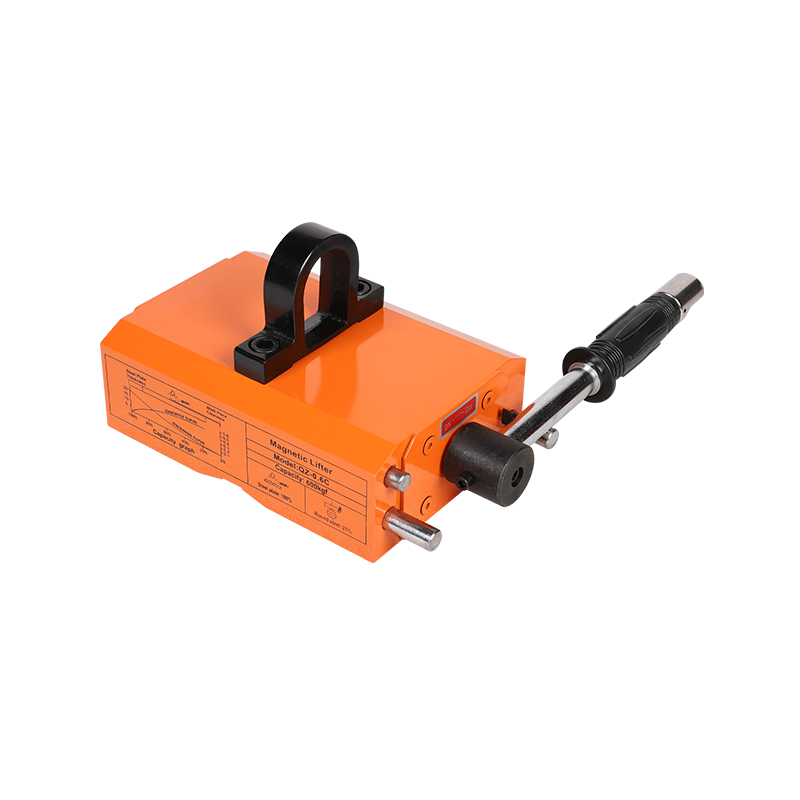
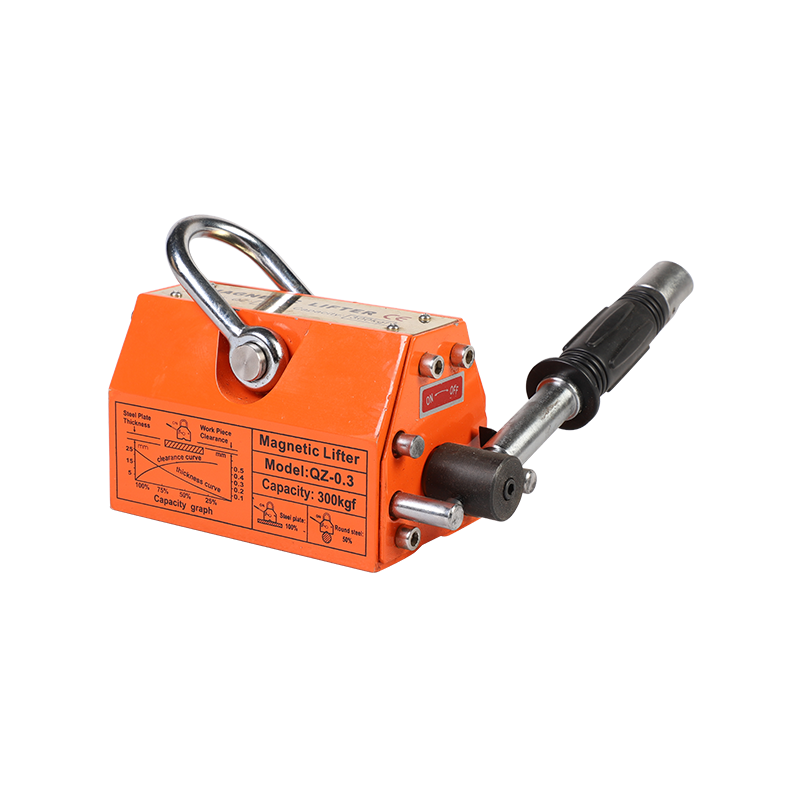
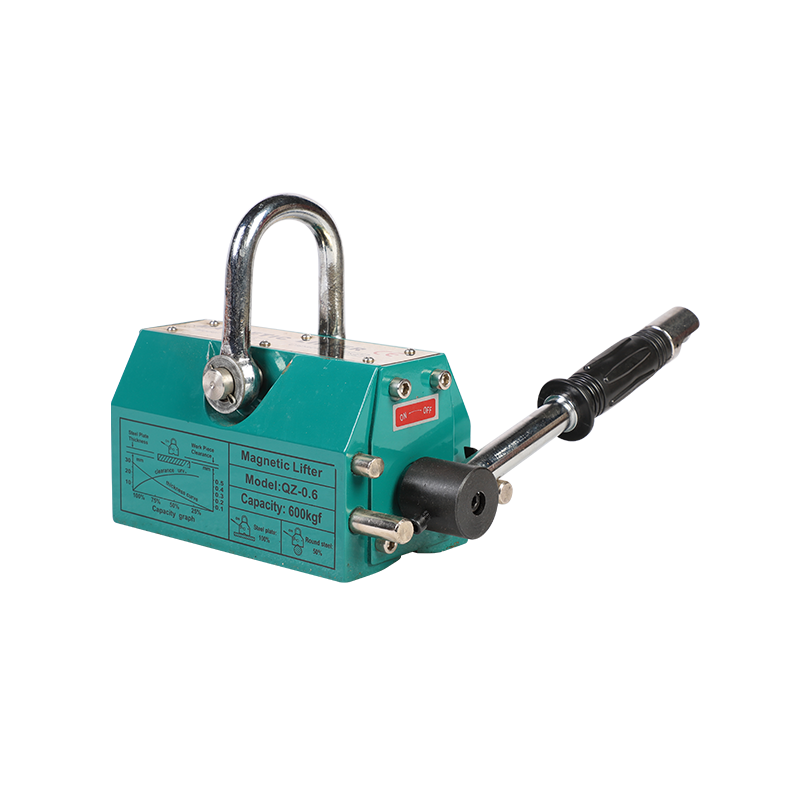
Selecting a suitable permanent magnetic lifter begins with a clear understanding of load capacity and what it truly represents in real working conditions. Load capacity is not simply the weight a lifter can theoretically handle under ideal circumstances. Instead, it reflects performance under specific assumptions, such as flat, clean steel surfaces and a suitable contact area. When users search for guidance from a Permanent Magnetic Lifter Factory, they are often trying to bridge the gap between nominal capacity and actual lifting safety. Understanding this distinction is essential to avoid overestimating performance and risking operational hazards.
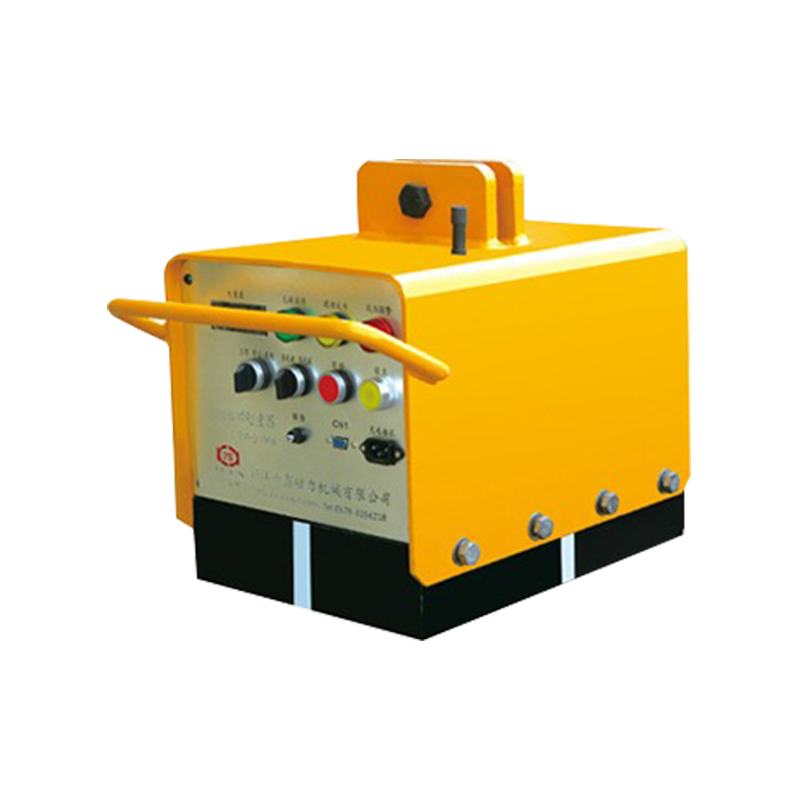
The type of material being lifted directly affects how load capacity should be evaluated. Solid steel plates, round bars, pipes, and irregular workpieces all interact differently with magnetic force. Even if two items share the same weight, their magnetic permeability and surface contact area may differ significantly. This is why recommendations from a Permanent Magnetic Lifter Factory often emphasize matching lifter capacity not only to weight but also to material characteristics. Choosing based solely on weight without considering material form can cause insufficient holding force.
Surface condition plays a major role in effective lifting capacity. Rust, scale, oil, paint, or uneven surfaces reduce magnetic adhesion and lower the actual lifting force. Thickness is equally important, as thin materials may not allow the magnetic field to fully develop, reducing grip strength. When selecting a permanent magnetic lifter, users should derate the nominal capacity if surface conditions are less than ideal. Experienced suppliers from a Permanent Magnetic Lifter Factory typically advise using a safety margin to compensate for these real-world variables.
One of the critical steps in choosing the correct lifter is applying an appropriate safety factor. Rated capacities are usually based on a multiple of the working load, often two to three times higher. This means that a lifter rated for 1000 kg may have a much higher breakaway force under test conditions. Users should never operate at the rated load continuously. Instead, selecting a lifter with a higher nominal capacity than the actual load ensures stable lifting and reduces long-term wear, especially in industrial environments with frequent handling.
Load orientation also affects capacity selection. Vertical lifting, horizontal lifting, and edge lifting place different stresses on the magnetic field. A lifter that performs well for horizontal plate lifting may not be suitable for vertical or off-center loads. When choosing based on load weight, it is important to consider how the load will be positioned and moved during operation. Proper alignment between the lifter and the load’s center of gravity ensures that the rated capacity can be achieved safely and consistently.
The frequency of lifting operations should influence capacity decisions as much as weight does. In high-cycle environments such as steel processing plants or fabrication workshops, operating close to capacity can accelerate wear and reduce reliability. Selecting a higher-capacity lifter than strictly required allows for smoother operation and longer service life. This approach is often recommended by manufacturers to ensure stable performance across extended usage cycles.
A common mistake among users is choosing the small lifter that matches the stated weight of the load. This approach leaves no margin for variations in surface condition, alignment, or material properties. Another frequent error is assuming one lifter can handle all load types equally. Proper selection requires understanding that rated capacity is context-dependent. Consulting technical data and application guidance helps prevent these misjudgments and supports safer lifting practices.
Choosing the right permanent magnetic lifter by load capacity is a balance between theoretical ratings and practical conditions. By considering material type, surface condition, thickness, orientation, and safety factors, users can make informed decisions that enhance safety and efficiency. Rather than focusing solely on load values, a holistic evaluation ensures reliable lifting performance and long-term operational confidence in demanding industrial settings.



PRODUCTS

CONTACT US
Copyright @Zhejiang Three-gold Magnetic Machine Co., Ltd. All rights reserved
Magnetic Lifting Tools Manufacturers


 English
 中文简体
中文简体
 русский
 عربى
عربى