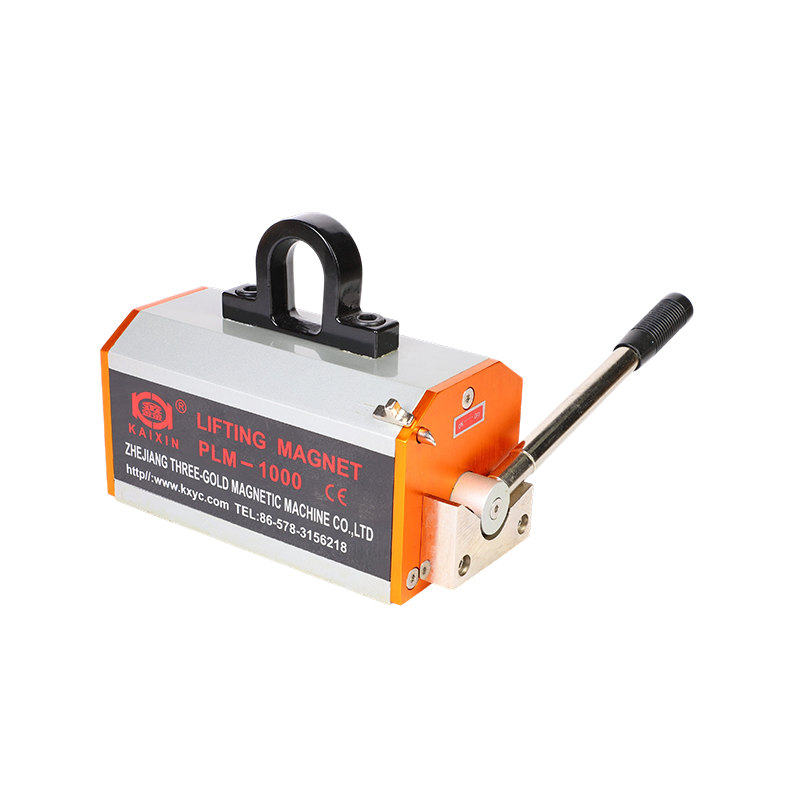
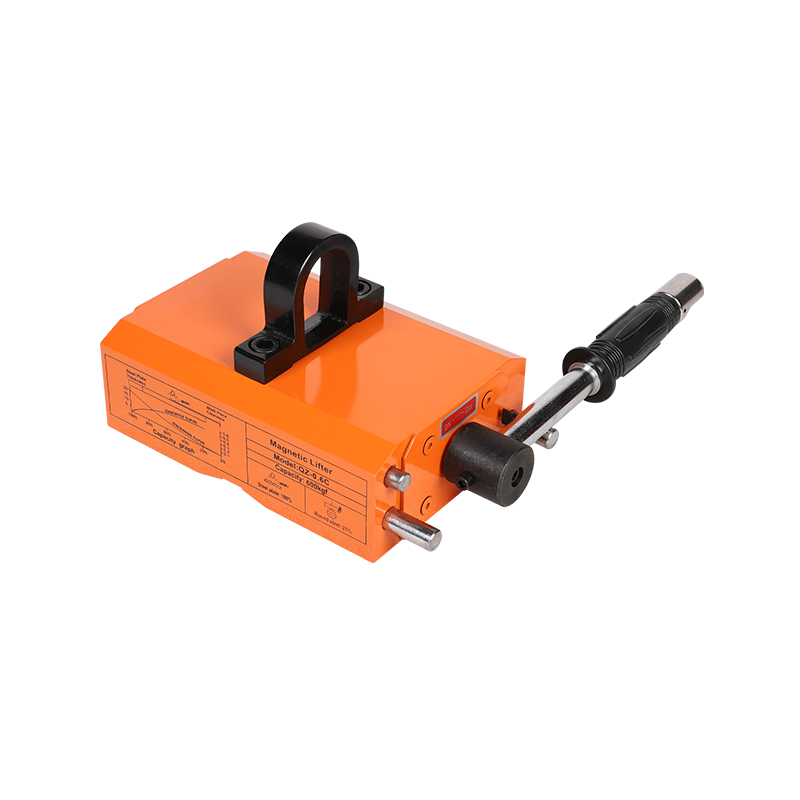
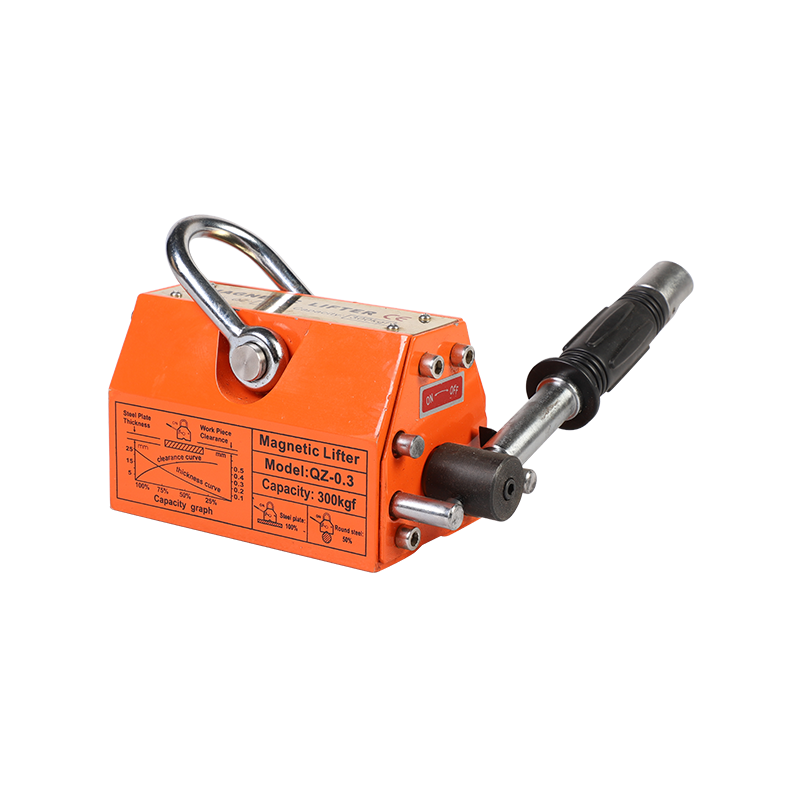
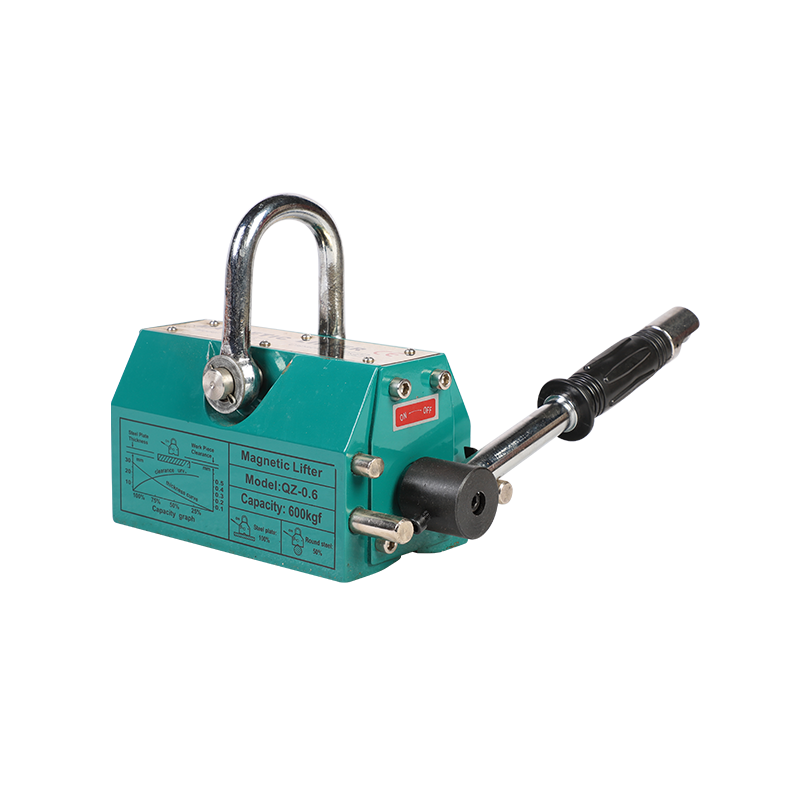
A Permanent Magnet Lifting Device operates through a controlled magnetic circuit that interacts directly with ferromagnetic steel surfaces. The lifting behavior is not only related to internal structure but also strongly influenced by external handling conditions during use.
In practical operation, stability depends on how well the device and steel surface match at the point of contact. Even small gaps or uneven surfaces can change how the load is held during movement.
Key operational factors include:
The permanent magnet lifter does not rely on continuous energy input, which means its behavior is driven by mechanical switching and magnetic alignment rather than external power adjustment. This makes correct usage habits particularly important in maintaining stable lifting conditions.
The interaction between steel and a Permanent Magnet Lifting Device is highly dependent on surface quality. Different surface conditions directly influence how effectively magnetic force is transmitted through the contact area.
Steel surfaces in industrial environments often vary, which creates different lifting responses. These differences are not always visible at first glance.
| Surface Condition | Influence on Contact Behavior | Operational Consideration |
|---|---|---|
| Smooth steel surface | Stable contact formation | Allows consistent attachment |
| Rusted surface | Reduced contact uniformity | May require surface cleaning |
| Oily or coated surface | Reduced friction and contact quality | Increased attention during lifting |
| Uneven surface | Partial contact points | Adjust positioning before lifting |
When using a magnetic lifting device, surface inspection becomes a key step before operation. Even small inconsistencies on the steel surface can affect how the load responds during lifting and movement.
Surface cleanliness directly affects how a Permanent Magnet Lifting Device interacts with steel during lifting. Contaminants such as oil, dust, or fine particles can reduce effective contact between surfaces.
In real working environments, surface conditions often change from one task to another. This makes cleaning and checking an important part of preparation.
Common influences of surface contamination include:
In many cases, cleaning the contact area before using a Permanent Magnet Lifting Device improves consistency in lifting behavior. Even small layers of residue can alter how the device performs during vertical movement or repositioning.
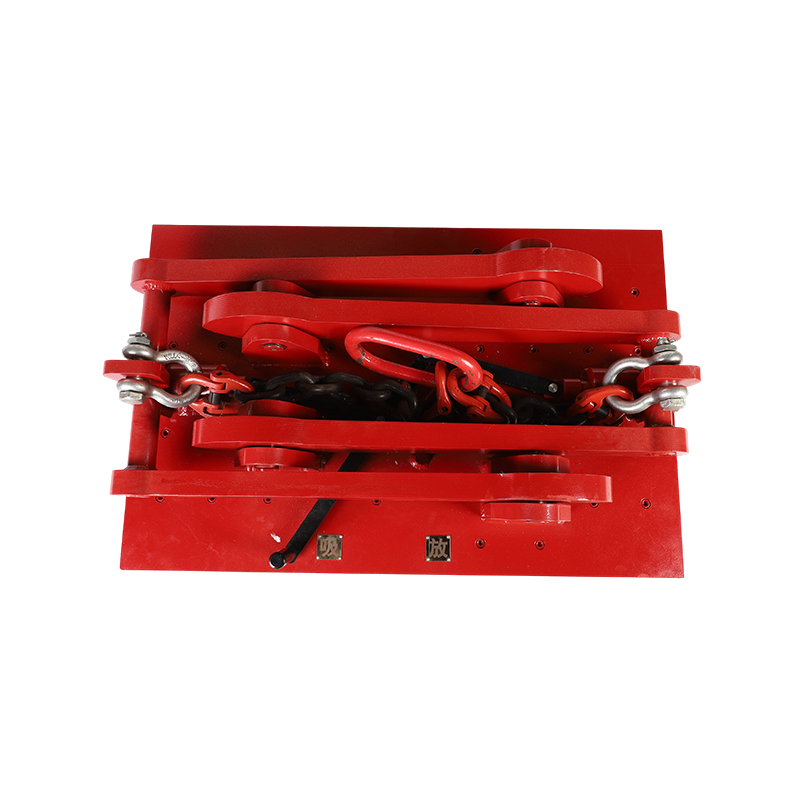
Load stability during lifting depends on how evenly the magnetic field interacts with the steel surface. A Permanent Magnet Lifting Device maintains this interaction through a fixed contact interface once engaged.
During vertical lifting, stability is influenced by several practical conditions:
If the load shifts slightly at the beginning of lifting, the balance may change during movement. This is why positioning before activation plays a central role in maintaining steady handling.
The magnetic lifter relies on consistent surface engagement rather than dynamic adjustment, so stability is closely linked to initial setup rather than real-time correction.
Steel thickness is one of the more practical factors that affects how a Permanent Magnet Lifting Device behaves in daily handling work. The magnetic field needs a continuous steel path to stay stable, and that path does not behave the same when the material becomes thinner or thicker.
In real workshop situations, the steel pieces being lifted are rarely uniform. Even when they look similar in size, their internal structure or thickness can still vary. That difference changes how the device “feels” during attachment and movement.
A few simple things are usually checked before lifting:
With a Permanent Magnet Lifting Device, partial contact is often the main reason lifting feels unstable. When only part of the surface is engaged, the load may respond unevenly once it is off the ground. That is why operators usually take a moment to adjust positioning before lifting starts.
Another point that comes up in practice is consistency. Two steel plates that look similar can still behave differently once lifted. This is where experience matters more than appearance, since the lifting response is not always obvious before engagement.
Before a Permanent Magnet Lifting Device is used in a workshop environment, operators usually go through a short preparation routine that helps keep the lifting process stable once the load is raised. Although it is not a complicated procedure, it often prevents issues that only become noticeable after the steel is already in the air.
One of the first things to pay attention to is the condition of the contact surface. Steel that looks clean at a glance may still have a thin layer of oil, dust, or fine residue on it, and this can affect how the device sits on the surface. Because these changes are not always obvious, a quick inspection is often done before placing the device on the load.
After the surface is checked, attention naturally shifts to the condition of the Permanent Magnet Lifting Device itself. The operating handle or switching mechanism should move in a smooth and predictable way. If there is any sense of stiffness, uneven motion, or hesitation during operation, it is usually taken as a signal that the device should not be used until it is reviewed.
The setup of the load also plays a role in preparation. The steel piece is typically placed in a stable position so that the device can sit evenly when engaged. At the same time, operators also make sure the surrounding area is clear enough to allow movement without obstruction, since unexpected contact during lifting can affect control.
In many workshop situations, these checks are not treated as separate formal steps but more as a natural part of the working routine. Over time, they become part of how the lifting process is approached, especially in environments where operations are repeated frequently and timing needs to stay consistent.
The surrounding environment can quietly change how a Permanent Magnet Lifting Device behaves, even when the device itself has no power input. These influences are usually gradual, but they still affect lifting consistency over time.
Temperature is one of the first factors people notice. In cooler conditions, materials tend to feel less responsive in terms of surface contact, which can slightly affect how tightly the device sits on steel. In warmer conditions, small changes in material expansion can also influence how the contact area behaves.
Humidity is another factor that shows up in real operations. When moisture is present, it can create a thin layer between the device and steel surface. That layer is not always visible, but it can reduce direct contact quality.
Dust and fine particles also play a role. In some working environments, small particles can settle on steel surfaces during storage or handling. Over time, this can affect how smooth the contact feels when the device is attached.
Typical ways operators manage these influences include:
The device is generally stable in a wide range of environments, but small external changes still matter when precision and smooth handling are expected.
A Permanent Magnet Lifting Device is mainly intended for vertical lifting, where the magnetic contact works in a straight alignment with the steel surface. When the load is influenced by side movement, the interaction between the device and the material begins to behave differently, and the holding condition can become less uniform depending on how the load is being handled.
In practical workshop use, lateral force does not usually come from a single action but from everyday movements such as guiding a lifted steel plate into position, adjusting direction while the load is still suspended, or working around obstacles in a limited space. Even small swings during transport can introduce side loading without it being immediately noticeable.
Once sideways force is introduced, the contact area starts to experience sliding stress instead of purely vertical pull. This shift changes how the load sits under the device, and small variations in positioning or surface contact can become more noticeable during movement. For that reason, operators generally try to keep transitions smooth rather than abrupt, since sudden changes in direction tend to create uneven stress across the contact surface.
In many cases, the way a lifting magnet responds to lateral movement is closely related to how well it was positioned at the start of the lift. If the initial alignment is slightly off or the contact is not fully even, side movement during handling can become more pronounced. Keeping the load stable therefore depends not only on how it is moved, but also on how carefully it is engaged before lifting begins.



PRODUCTS

CONTACT US
Copyright @Zhejiang Three-gold Magnetic Machine Co., Ltd. All rights reserved
Magnetic Lifting Tools Manufacturers


 English
 中文简体
中文简体
 русский
 عربى
عربى