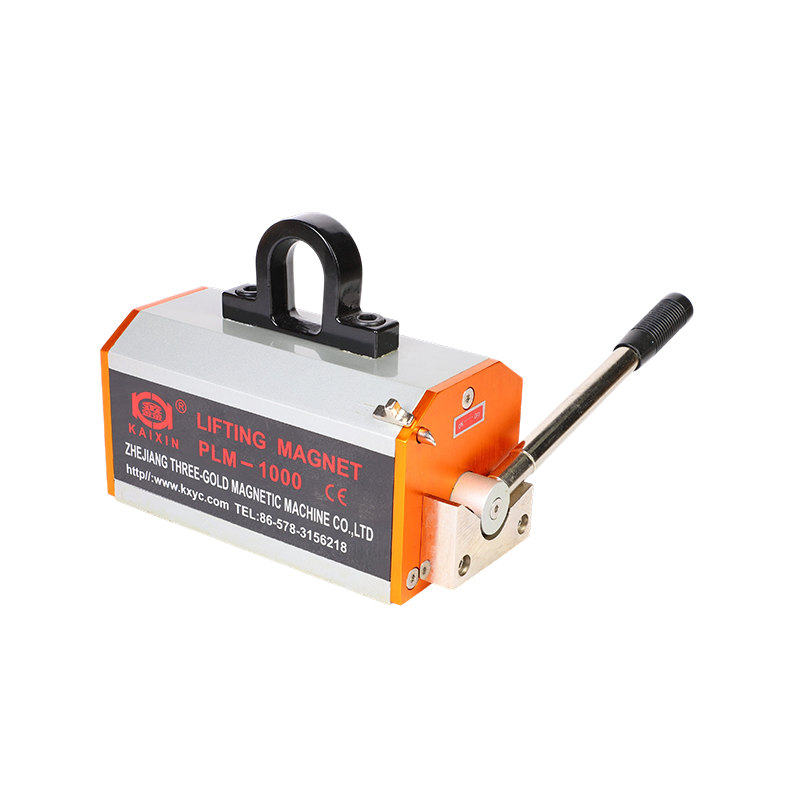
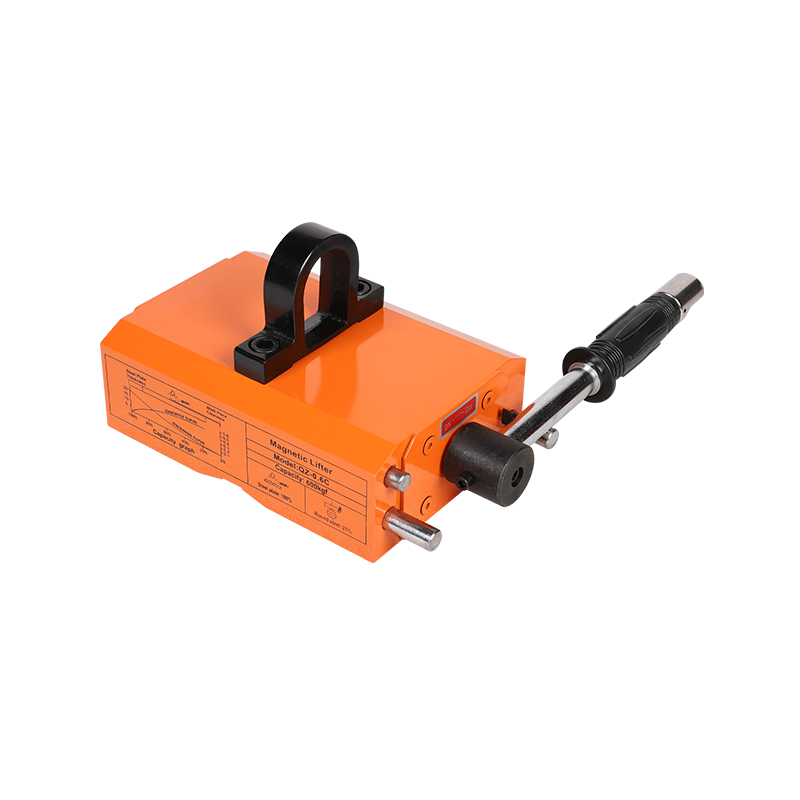
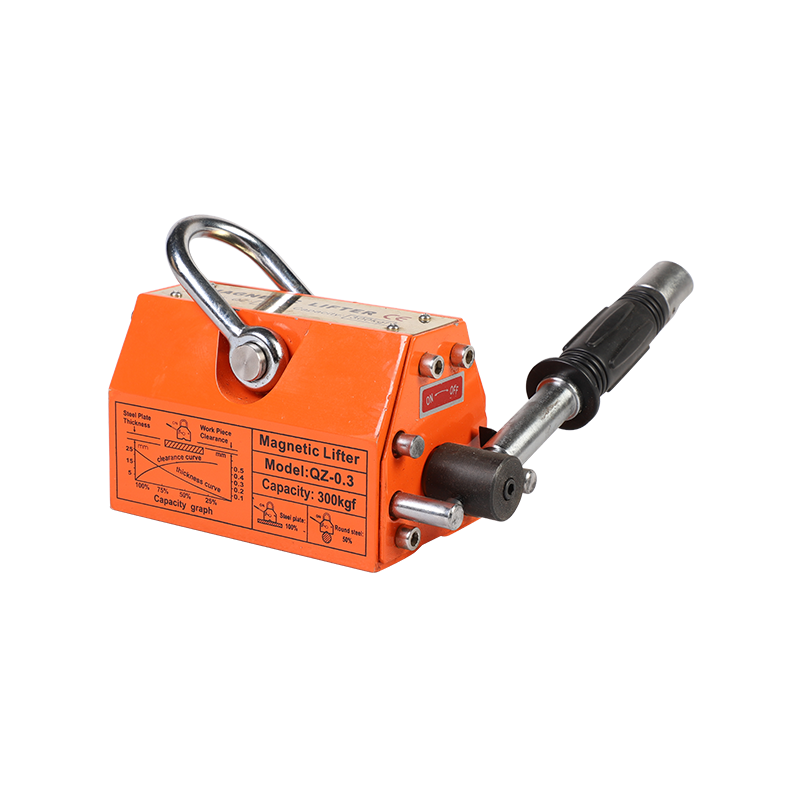
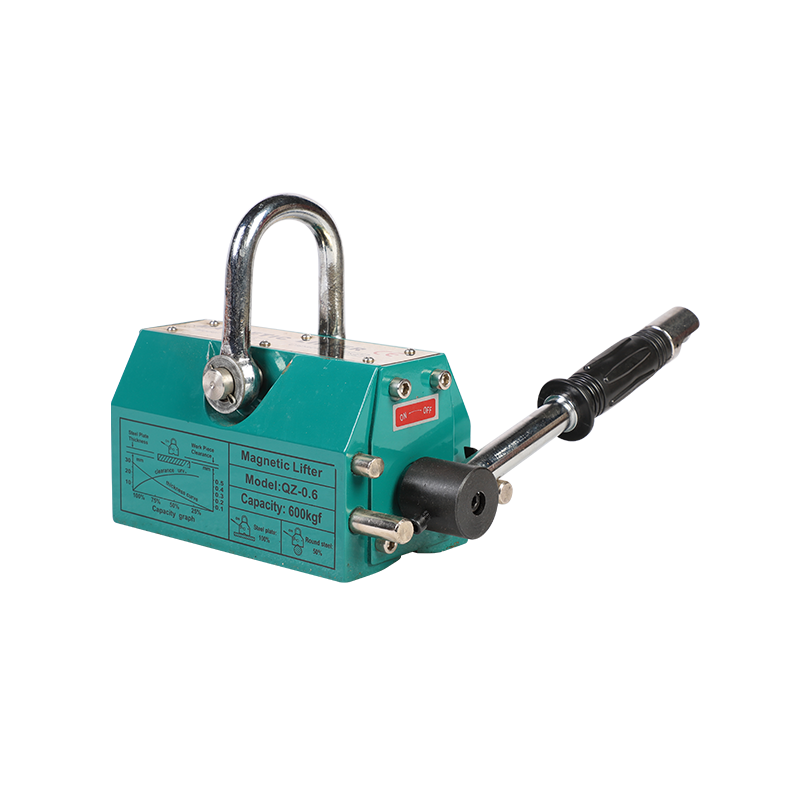
The Permanent Magnetic Lifter has become a vital tool in industrial lifting applications, enabling the safe and efficient handling of ferromagnetic materials without the need for external power. One of the most critical factors in ensuring its reliability and performance is the uniform distribution of magnetic force across the contact surface. Uneven magnetic distribution can cause reduced lifting capacity, slippage, and safety hazards. Achieving uniformity requires careful design of the magnetic circuit, considering factors such as pole placement, flux path optimization, material selection, and structural geometry.
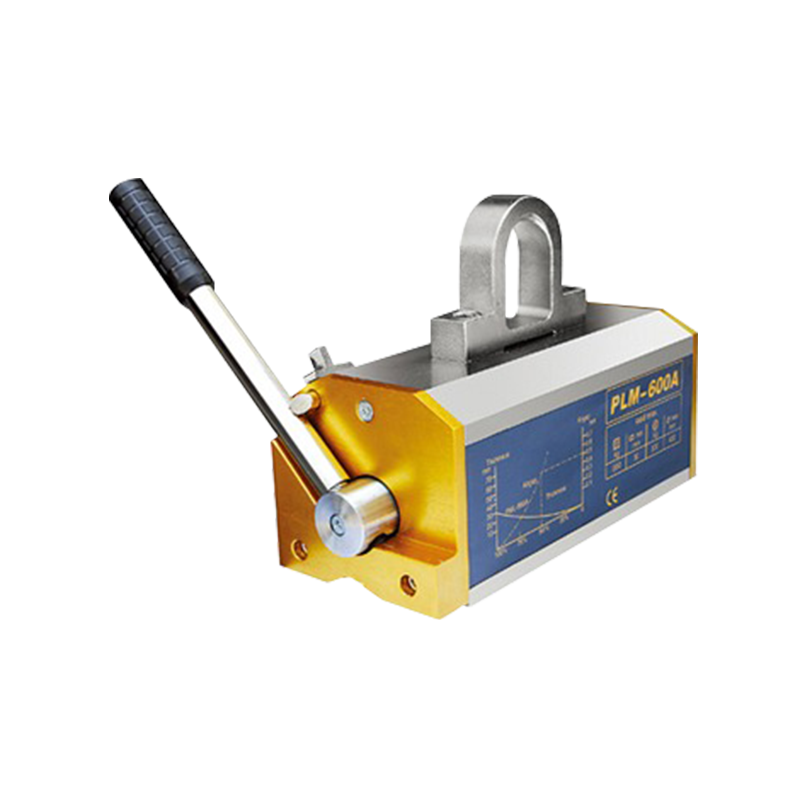
At its core, the magnetic circuit in a permanent magnetic lifter is designed to channel magnetic flux from the magnets through the workpiece and back to the magnet in a closed loop. The efficiency of this circuit determines the strength and uniformity of the magnetic field at the contact surface. Engineers ensure magnetic resistance by carefully designing the path through high-permeability materials such as soft iron or specialized alloys. These materials guide the magnetic flux efficiently, reducing leakage and creating consistent attraction across the lifter’s base.
A key element in achieving uniform magnetic force is the strategic arrangement of magnetic poles. Permanent magnetic lifters often employ multiple poles in alternating polarity patterns across the base. This design ensures that the magnetic flux is evenly distributed, reducing weak spots where the lifting force might be insufficient. The distance between poles is carefully calculated to balance magnetic intensity and coverage area, preventing areas of high flux concentration that could overstress the workpiece or the magnet itself. Proper pole configuration is particularly important when lifting large or irregularly shaped steel plates, where uneven force could cause tilting or slippage.
Flux-conducting components, such as soft iron yokes and pole shoes, play a crucial role in distributing magnetic force evenly. These components bridge the gaps between magnets and the workpiece, channeling flux smoothly across the contact surface. By reducing air gaps, which are highly resistant to magnetic flux, the circuit ensures that the amount of magnetic energy reaches the steel plate. The combination of high-permeability materials and optimized geometric placement reduces localized weak spots and enhances the overall safety and lifting efficiency of the lifter.
Beyond materials and pole configuration, the physical design of the lifter also influences flux uniformity. Flat and rigid base plates ensure that the magnet maintains consistent contact with the workpiece, preventing uneven magnetic gaps. In some advanced lifters, segmented or modular magnetic assemblies allow minor adjustments to accommodate slightly uneven surfaces, further promoting uniform magnetic adhesion. Engineers also consider the thickness of the magnet assembly relative to the intended steel thickness, as this relationship affects how effectively the magnetic flux saturates the workpiece.
The uniform distribution of magnetic force in a permanent magnetic lifter is achieved through meticulous magnetic circuit design, combining optimized pole arrangement, high-permeability materials, and precise structural engineering. Proper flux management ensures that the lifter can maintain lifting capacity while reducing safety risks and slippage. By focusing on these design principles, manufacturers of permanent magnetic lifters create tools that provide reliable, consistent performance across a variety of industrial applications, making them indispensable for safe and efficient material handling.



PRODUCTS

CONTACT US
Copyright @Zhejiang Three-gold Magnetic Machine Co., Ltd. All rights reserved
Magnetic Lifting Tools Manufacturers


 English
 中文简体
中文简体
 русский
 عربى
عربى